

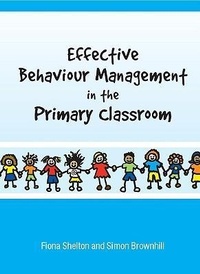
Effective Behaviour Management in the Primary Classroom
Published on 16. December 2008
Book
Paperback/Softback
184 pages
978-0-335-22541-5 (ISBN)
Description
Learn a range of effective behaviour management techniques for your classroom!Successful teaching and learning requires a thorough understanding of how to implement a range of effective behaviour management approaches, strategies and philosophies. It is not only essential to put be able to put these approaches into practice, but also have an understanding of the reasoning behind the behaviour and the underlying theoretical perspectives to maintain an effective working environment. Through the use of case studies, reflective tasks and examples from the classroom this book generates a new approach to the 'hows' and 'whys' of behaviour management in the primary school. With its interactive style of discussion, debate, reflection and analysis, it supports and develops classroom practice to ease the stresses and strains of those entering the teaching profession - and those already with experience.There are a range of interactive features in each chapter including:
THINK - take a moment to contemplate an element of text, an idea or a strategy
REFLECT - encourages you to critically analyze and relate ideas to your own practice
CONSIDERATIONS - draws attention to alternative approaches and thinking that you might like to incorporate into your own teaching strategiesThe chapters explore issues such as behaviour phases at different ages, how to convert policy into practice, and creative approaches to behaviour management. The approach is both supportive and reassuring, offering positive suggestions for continually improving and developing practice.Effective Behaviour Management in the Primary Classroom is a key resource for all students on Initial Teacher Training courses and Early Years Foundation/Childhood Studies degrees and primary practitioners.
THINK - take a moment to contemplate an element of text, an idea or a strategy
REFLECT - encourages you to critically analyze and relate ideas to your own practice
CONSIDERATIONS - draws attention to alternative approaches and thinking that you might like to incorporate into your own teaching strategiesThe chapters explore issues such as behaviour phases at different ages, how to convert policy into practice, and creative approaches to behaviour management. The approach is both supportive and reassuring, offering positive suggestions for continually improving and developing practice.Effective Behaviour Management in the Primary Classroom is a key resource for all students on Initial Teacher Training courses and Early Years Foundation/Childhood Studies degrees and primary practitioners.
More details
Other editions
Additional editions
Fiona Shelton
Effective Behaviour Management In The Primary Classroom
E-Book
12/2008
1st Edition
McGraw-Hill Education
€55.59
Available for download
Persons
Fiona Shelton is a Primary Adviser with the Curriculum Design and Implementation team at the Qualifications and Curriculum Authority, previously she was B.Ed Programme Leader at the University of Derby, UK.
Simon Brownhill is a Senior Lecturer at the University of Derby, UK.
Simon Brownhill is a Senior Lecturer at the University of Derby, UK.
Content
Chapter One: What is your philosophy?
Chapter Two: Putting the practice into theory
Chapter Three: Behaviour phases through the ages
Chapter Four: Emotional Intelligence and Emotional Literacy
Chapter Five: Policy into practice
Chapter Six: Creative approaches to behaviour management
Chapter Seven: Using the Arts to guide behaviour
Chapter Eight: Behavioural partnerships
Chapter Nine: Looking Forward
References
Chapter Two: Putting the practice into theory
Chapter Three: Behaviour phases through the ages
Chapter Four: Emotional Intelligence and Emotional Literacy
Chapter Five: Policy into practice
Chapter Six: Creative approaches to behaviour management
Chapter Seven: Using the Arts to guide behaviour
Chapter Eight: Behavioural partnerships
Chapter Nine: Looking Forward
References