

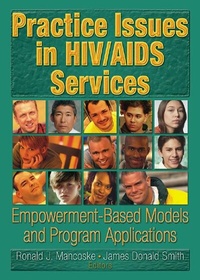
Practice Issues in HIV/AIDS Services
Empowerment-Based Models and Program Applications
1st Edition
Will be published approx. on 2. September 2004
Book
Hardback
240 pages
978-0-7890-2301-8 (ISBN)
Description
Improve quality of life for patients with HIV/AIDS!
Practice Issues in HIV/AIDS Services: Empowerment-Based Models and Program Applications provides a sound framework of intervention practices for case managers and care coordinators to help HIV/AIDS patients live longer and healthier lives. This book focuses on client-based care that addresses the social and psychological needs of the patient as well as his or her physical and medical requirements. Filled with concrete information and recommendations from practitioners and researchers, this instructive text will help increase the effectiveness of your role in the client's treatment.
Practice Issues in HIV/AIDS Services leads the reader from a conceptual framework of approaches related to the ongoing HIV/AIDS crises to specific case studies focused mainly on interventions. Practice models of case management are discussed and applied to clients with special needs, including injection drug users, Mexican migrant farm workers, and African-American underserved populations. Examples of the practice models discussed in this book include:
the Generalist social work practice modelemphasizing problem-solving at various system levels through the process of relationship building, data gathering, assessing, intervening, evaluating interventions, and terminating services
the Broker modelfocusing on activities which will increase the client's linkage to services, then terminating the client-case manager relationship
the Therapeutic or Clinical modelestablishing a relationship with the case manager as a treatment provider with rapport and trust as a therapeutic intervention
the Therapeutic Team Approach or Assertive Community Treatment (ACT)utilizing multidisciplinary teams to provide a range of specialty services to clients with the intent to reduce unnecessary hospitalizations and improve independent functioning in the community.
Well referenced, with dependable methodologies and sound conclusions, Practice Issues in HIV/AIDS Services is an essential text for case managers, health professionals, and educators and students of social work. Its emphasis on special populations, with new approaches to case management and techniques to strengthen present ones, makes this book an important addition to anyone's reference collection.
Practice Issues in HIV/AIDS Services: Empowerment-Based Models and Program Applications provides a sound framework of intervention practices for case managers and care coordinators to help HIV/AIDS patients live longer and healthier lives. This book focuses on client-based care that addresses the social and psychological needs of the patient as well as his or her physical and medical requirements. Filled with concrete information and recommendations from practitioners and researchers, this instructive text will help increase the effectiveness of your role in the client's treatment.
Practice Issues in HIV/AIDS Services leads the reader from a conceptual framework of approaches related to the ongoing HIV/AIDS crises to specific case studies focused mainly on interventions. Practice models of case management are discussed and applied to clients with special needs, including injection drug users, Mexican migrant farm workers, and African-American underserved populations. Examples of the practice models discussed in this book include:
the Generalist social work practice modelemphasizing problem-solving at various system levels through the process of relationship building, data gathering, assessing, intervening, evaluating interventions, and terminating services
the Broker modelfocusing on activities which will increase the client's linkage to services, then terminating the client-case manager relationship
the Therapeutic or Clinical modelestablishing a relationship with the case manager as a treatment provider with rapport and trust as a therapeutic intervention
the Therapeutic Team Approach or Assertive Community Treatment (ACT)utilizing multidisciplinary teams to provide a range of specialty services to clients with the intent to reduce unnecessary hospitalizations and improve independent functioning in the community.
Well referenced, with dependable methodologies and sound conclusions, Practice Issues in HIV/AIDS Services is an essential text for case managers, health professionals, and educators and students of social work. Its emphasis on special populations, with new approaches to case management and techniques to strengthen present ones, makes this book an important addition to anyone's reference collection.
More details
Language
English
Place of publication
New York
United States
Publishing group
Taylor & Francis Inc
Target group
Professional and scholarly
Dimensions
Height: 229 mm
Width: 152 mm
Weight
499 gr
ISBN-13
978-0-7890-2301-8 (9780789023018)
Copyright in bibliographic data and cover images is held by Nielsen Book Services Limited or by the publishers or by their respective licensors: all rights reserved.
Schweitzer Classification
Other editions
Additional editions
R. Dennis Shelby | James D. Smith | Ronald J. Mancoske
Practice Issues in HIV/AIDS Services
Empowerment-Based Models and Program Applications
E-Book
09/2004
1st Edition
Routledge
€32.99
Available for download
R. Dennis Shelby | James D. Smith | Ronald J. Mancoske
Practice Issues in HIV/AIDS Services
Empowerment-Based Models and Program Applications
E-Book
09/2004
1st Edition
Routledge
€32.99
Available for download
R. Dennis Shelby | James D. Smith | Ronald J. Mancoske
Practice Issues in HIV/AIDS Services
Empowerment-Based Models and Program Applications
Book
08/2004
1st Edition
Routledge
€48.46
Shipment within 10-20 days
Persons
R Dennis Shelby, James D Smith, Ronald J Mancoske
Content
About the Editors
Contributors
Foreword (Gwendolyn Spencer Prater)
Chapter 1. A Generalist Practice Model in HIV/AIDS Services: An Empowerment
Perspective (Ronald J. Mancoske and James Donald Smith)
The Ongoing Challenges of HIV/AIDS
Generalist Practice Model
The Relationship Process: Engaging Client Systems in Services
The Data-Gathering Process
Assessment
Interventions
Evaluation of Services
The Termination Process
Conclusion
Chapter 2. Case Management (DeAnn Gruber)
Introduction
Case Management Models
Research of Case Management
Emerging Issues in the Field
Service Implications
Conclusion
Chapter 3. The Transtheoretical Model of Behavior and Injection Drug Use (San Patten)
Introduction
Risk Reduction Among IDUs
The Transtheoretical Model of Behavior Change
Practitioners' Application of the TTM
Current and Future Research of the TTM with IDUs
Conclusion
Chapter 4. Utilization of Needle Exchange Programs and Substance Abuse Treatment Services by Injection Drug Users: Social Work Practice Implications of a Harm Reduction Model (Therese Fitzgerald, Timothy Purington, Karen Davis, Faith Ferguson, and Lena Lundgren)
Introduction
The Harm Reduction Philosophy
Needle Exchange Programs
Massachusetts State Treatment Needs Assessment Program
Practice Implications
Conclusion
Chapter 5. HIV Prevention Models with Mexican Migrant Farmworkers (Kurt C. Organista)
Introduction
HIV/AIDS, Mexican Farmworkers, and Agricultural Labor in the United States
Research-Informed Understanding of HIV Risk
HIV Risk Factors in Mexican Migrant Laborers
HIV/AIDS-Related Knowledge, Attitudes, Beliefs, and Behaviors
Contextualizing HIV Risk
Conceptual Model of Risk
Implications for HIV Prevention and Treatment Services: State of the Art and Beyond
Long-Term Recommendations: Expanding Resources, Infrastructure, and Labor Reform
Chapter 6. A Family Intervention Model for Engaging Hidden At-Risk African Americans in HIV Prevention Programs (Larry D. Icard and Nushina Siddiqui)
Introduction
African Americans and HIV
African Americans As Hidden Populations
Family-Focused Interventions and Hidden Populations
Factors to Consider
Conclusion
Chapter 7. HIV/AIDS Among African Americans in the Mississippi/Louisiana Delta
Region: A Macro-Practice Empowerment Model (Peggy Pittman-Munke and Vincent J. Venturini)
Statement of the Problem
African Americans and the Risk of HIV/AIDS
HIV/AIDS in Rural America
Proposed Practice Model for Culturally Sensitive Practice with African Americans
Chapter 8. Cultural Influences on HIV/AIDS Prevention: Louisiana African-
American Women (Sybil G. Schroeder)
Introduction
HIV/AIDS Statistical Overview
Louisiana African-American Women
Ethnic Epistemology
Culture in Prevention Efforts
Index
Reference Notes Included
Contributors
Foreword (Gwendolyn Spencer Prater)
Chapter 1. A Generalist Practice Model in HIV/AIDS Services: An Empowerment
Perspective (Ronald J. Mancoske and James Donald Smith)
The Ongoing Challenges of HIV/AIDS
Generalist Practice Model
The Relationship Process: Engaging Client Systems in Services
The Data-Gathering Process
Assessment
Interventions
Evaluation of Services
The Termination Process
Conclusion
Chapter 2. Case Management (DeAnn Gruber)
Introduction
Case Management Models
Research of Case Management
Emerging Issues in the Field
Service Implications
Conclusion
Chapter 3. The Transtheoretical Model of Behavior and Injection Drug Use (San Patten)
Introduction
Risk Reduction Among IDUs
The Transtheoretical Model of Behavior Change
Practitioners' Application of the TTM
Current and Future Research of the TTM with IDUs
Conclusion
Chapter 4. Utilization of Needle Exchange Programs and Substance Abuse Treatment Services by Injection Drug Users: Social Work Practice Implications of a Harm Reduction Model (Therese Fitzgerald, Timothy Purington, Karen Davis, Faith Ferguson, and Lena Lundgren)
Introduction
The Harm Reduction Philosophy
Needle Exchange Programs
Massachusetts State Treatment Needs Assessment Program
Practice Implications
Conclusion
Chapter 5. HIV Prevention Models with Mexican Migrant Farmworkers (Kurt C. Organista)
Introduction
HIV/AIDS, Mexican Farmworkers, and Agricultural Labor in the United States
Research-Informed Understanding of HIV Risk
HIV Risk Factors in Mexican Migrant Laborers
HIV/AIDS-Related Knowledge, Attitudes, Beliefs, and Behaviors
Contextualizing HIV Risk
Conceptual Model of Risk
Implications for HIV Prevention and Treatment Services: State of the Art and Beyond
Long-Term Recommendations: Expanding Resources, Infrastructure, and Labor Reform
Chapter 6. A Family Intervention Model for Engaging Hidden At-Risk African Americans in HIV Prevention Programs (Larry D. Icard and Nushina Siddiqui)
Introduction
African Americans and HIV
African Americans As Hidden Populations
Family-Focused Interventions and Hidden Populations
Factors to Consider
Conclusion
Chapter 7. HIV/AIDS Among African Americans in the Mississippi/Louisiana Delta
Region: A Macro-Practice Empowerment Model (Peggy Pittman-Munke and Vincent J. Venturini)
Statement of the Problem
African Americans and the Risk of HIV/AIDS
HIV/AIDS in Rural America
Proposed Practice Model for Culturally Sensitive Practice with African Americans
Chapter 8. Cultural Influences on HIV/AIDS Prevention: Louisiana African-
American Women (Sybil G. Schroeder)
Introduction
HIV/AIDS Statistical Overview
Louisiana African-American Women
Ethnic Epistemology
Culture in Prevention Efforts
Index
Reference Notes Included