

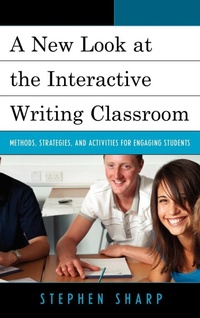
A New Look at the Interactive Writing Classroom
Methods, Strategies, and Activities to Engage Students
Published on 23. June 2011
Book
Hardback
224 pages
978-1-61048-417-6 (ISBN)
Description
Teaching students how to write more effectively is a goal that English teachers of all levels share. How can you motivate your students to produce their best writing, think critically, and participate more actively in class? How can you conduct workshops in your classroom that create a more dynamic, interactive, student-centered environment?
This practical, comprehensive guide to teaching writing offers English teachers a variety of new, classroom-tested instructional activities, workshops, lesson plans, journal entries, teaching strategies, and creative assignments to use in their classrooms, including modified mini-lessons and group discussions that engage students and stimulate critical thinking. Emphasizing the proven benefits of cooperative learning, the book includes step-by-step instructions for special writing workshops on invention strategies, critical reading, thesis statements, draft feedback, narrative writing, debates, outlining, introductions, proofreading and editing, and much more. Additional topics include how to coach students, manage problematic students, attack plagiarism, and deal with student evaluations.
This practical, comprehensive guide to teaching writing offers English teachers a variety of new, classroom-tested instructional activities, workshops, lesson plans, journal entries, teaching strategies, and creative assignments to use in their classrooms, including modified mini-lessons and group discussions that engage students and stimulate critical thinking. Emphasizing the proven benefits of cooperative learning, the book includes step-by-step instructions for special writing workshops on invention strategies, critical reading, thesis statements, draft feedback, narrative writing, debates, outlining, introductions, proofreading and editing, and much more. Additional topics include how to coach students, manage problematic students, attack plagiarism, and deal with student evaluations.
More details
Language
English
Place of publication
United States
Publishing group
Bloomsbury Publishing Plc
Target group
Professional and scholarly
Primary & secondary/elementary & high school
Dimensions
Height: 235 mm
Width: 157 mm
Thickness: 18 mm
Weight
521 gr
ISBN-13
978-1-61048-417-6 (9781610484176)
Copyright in bibliographic data and cover images is held by Nielsen Book Services Limited or by the publishers or by their respective licensors: all rights reserved.
Schweitzer Classification
Other editions
Additional editions
Stephen Sharp
A New Look at the Interactive Writing Classroom
Methods, Strategies, and Activities to Engage Students
E-Book
06/2011
1st Edition
Rowman & Littlefield Education
€42.99
Available for download
Person
Writing specialist Steve Sharp has a Master's degree in English and advanced training in composition instruction. He has taught a variety of courses at the secondary and college levels and was named an "Excellent Instructor" and "Natural Helper" for his work in the classroom.
Content
Chapter 1 Acknowledgements
Chapter 2 Introduction
Chapter 3 Student Introductions: Building a Community of Learners
Chapter 4 How Can You Deal Effectively with Such a Diverse Group of Students?
Chapter 5 Changing Your Studentsi Attitudes Toward Writing and Reading
Chapter 6 Houston, We Have a Reading Problem
Chapter 7 Using Positive Reinforcement to Motivate Your Students
Chapter 8 Lessons from the Practice Fields
Chapter 9 Becoming More Authentic in the Classroom
Chapter 10 Should You Really Teach Writing as a Process?
Chapter 11 Hey Dude, Why Canit You Follow Directions?
Chapter 12 Making Writing More Fun for Your Students
Chapter 13 Getting Your Students to Master the Narrative
Chapter 14 Improving Peer Feedback: Making Students More Accountable
Chapter 15 Insuring Successful Workshops in Your Class
Chapter 16 Workshops That Really Work: My Five Favorite Workshops
Chapter 17 Workshops to Help Your Students Write More Effectively
Chapter 18 How to Make Your Students Better Editors and Proofreaders
Chapter 19 The Textbook Can Become Your Studentsi Friend
Chapter 20 Using Modified Mini-Lessons to Convey Information Effectively
Chapter 21 Group Discussions Donit Have to Crash and Burn
Chapter 22 Debates Motivate Your Students to Write Research Papers
Chapter 23 Attacking Plagiarism in Your Classroom
Chapter 24 Student Evals: Has Teaching Become a Popularity Contest?
Chapter 25 About the Author
Chapter 2 Introduction
Chapter 3 Student Introductions: Building a Community of Learners
Chapter 4 How Can You Deal Effectively with Such a Diverse Group of Students?
Chapter 5 Changing Your Studentsi Attitudes Toward Writing and Reading
Chapter 6 Houston, We Have a Reading Problem
Chapter 7 Using Positive Reinforcement to Motivate Your Students
Chapter 8 Lessons from the Practice Fields
Chapter 9 Becoming More Authentic in the Classroom
Chapter 10 Should You Really Teach Writing as a Process?
Chapter 11 Hey Dude, Why Canit You Follow Directions?
Chapter 12 Making Writing More Fun for Your Students
Chapter 13 Getting Your Students to Master the Narrative
Chapter 14 Improving Peer Feedback: Making Students More Accountable
Chapter 15 Insuring Successful Workshops in Your Class
Chapter 16 Workshops That Really Work: My Five Favorite Workshops
Chapter 17 Workshops to Help Your Students Write More Effectively
Chapter 18 How to Make Your Students Better Editors and Proofreaders
Chapter 19 The Textbook Can Become Your Studentsi Friend
Chapter 20 Using Modified Mini-Lessons to Convey Information Effectively
Chapter 21 Group Discussions Donit Have to Crash and Burn
Chapter 22 Debates Motivate Your Students to Write Research Papers
Chapter 23 Attacking Plagiarism in Your Classroom
Chapter 24 Student Evals: Has Teaching Become a Popularity Contest?
Chapter 25 About the Author