

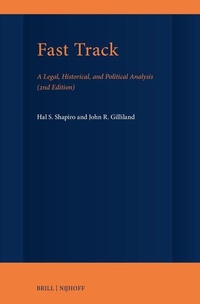
Fast Track
A Legal, Historical, and Political Analysis (2nd Edition)
2nd Edition
Published on 25. September 2023
Book
Hardback
312 pages
978-90-04-50943-6 (ISBN)
Description
Fast Track is the story of the rise and fall of U.S. leadership in international trade. Fast Track authority is the process Congress devised to approve trade agreements, giving Congress input into negotiations in exchange for a timely up-or-down vote. Foes derided it as a procedural gimmick, but it helped forge a bipartisan consensus on trade policy. Despite its successes, it was also fragile. The bipartisan consensus has since frayed and Fast Track has lapsed, allowing other countries to fill the void. This book discusses how Fast Track worked and offers a path for rebuilding consensus in favor of its renewal.
More details
Edition
2nd edition
Language
English
Place of publication
Netherlands
Publishing group
Brill
Target group
Professional and scholarly
Product notice
sewn/stitched
Cloth over boards
Dimensions
Height: 235 mm
Width: 155 mm
Thickness: 25 mm
Weight
826 gr
ISBN-13
978-90-04-50943-6 (9789004509436)
Copyright in bibliographic data and cover images is held by Nielsen Book Services Limited or by the publishers or by their respective licensors: all rights reserved.
Schweitzer Classification
Other editions
Previous edition

Book
07/2006
Transnational Publishers Inc.,U.S.
€238.50
Article exhausted; check for reprint
Persons
Hal S. Shapiro is a Partner at Akin Gump Strauss Hauer & Feld. He previously served as Associate General Counsel in the Office of the U.S. Trade Representative and as Senior Advisor for International Economic Policy at the National Economic Council.
John R. Gilliland is an attorney at Akin Gump Strauss Hauer & Feld, where he specializes in international trade law and policy. Before entering private practice, he was counsel to the U.S. Senate Finance Committee.
John R. Gilliland is an attorney at Akin Gump Strauss Hauer & Feld, where he specializes in international trade law and policy. Before entering private practice, he was counsel to the U.S. Senate Finance Committee.
Content
List of Illustrations
1 Introduction
?1 The Origins of President Trump's America First Trade Policy
?2 The Trump Phenomenon
?3 The Biden Era: The Need for a New Debate
?4 Roadmap of This Book
2 The Origins of Fast Track
?1 Congressional Control of International Trade
?2 Initial Delegation of Authority to the President
?3 Expansion of the President's Role and Presidential Overreaching
?4 Balancing the Roles of Congress and the President
?5 Renewal and Expansion
3 The Structure of Fast Track
?1 Negotiating Objectives
?2 Congressional Oversight of Negotiations
?3 Preparing for Approval and Implementation
?4 Methods of Withdrawing Fast Track
?5 An Evolving Tradition
4 The Divisive Battle to Renew Fast Track in 2002
?1 The House Debate
?2 The Senate Debate
?3 A Second One-Vote Margin in the House
?4 The Conference Compromise and the Third Close House Vote
?5 TPA: A Change in Name Only?
?6 Extension of Trade Promotion Authority
5 Updating TPA for a New Era
?1 TPA for TPP (and TAA)
?2 A Bicameral, Bipartisan Proposal
?3 Committee Action
?4 Senate Floor Action
?5 House Floor Action
?6 Republicans Improvise
?7 An Updated TPA for a Changing World
?8 Extension of Trade Promotion Authority
6 Fast Track and the Constitution
?1 Fast Track's Place in the U.S. Constitutional Order
?2 Can Fast Track Bind the Congress and Can Congress Repeal It without New Legislation?
7 Is Fast Track Necessary?
?1 Uses of Fast Track
?2 The Need for Legislation
?3 The Advantages and Disadvantages of Treaties
?4 The Need to Go through the House of Representatives
?5 A Peculiarly American Institution?
8 Is There a Role for the States?
?1 The U.S. Constitutional Framework
?2 The Dispossession of State Power in Foreign Affairs: A Theoretical and Reality Dichotomy
?3 The WTO and Sub-Federal Governments
?4 The Uruguay Round Agreements Act
?5 Augmenting the Model
?6 The Federal Veto: Striking a Balance between International Chaos and Plurilateralism
?7 A Return to Counterambition
9 A Prescription for Progress
?1 The Trade Race: Is the United States Falling Behind?
?2 The Schizophrenic Nature of U.S. Trade Politics
?3 A Prescription for Progress: How to Find Common Ground on Trade
10 Conclusion
?Appendix A: Timetable for Agreements Under the Bipartisan Congressional Trade Priorities and Accountability Act of 2015
?Appendix B: Tables of Congressional Votes on Trade
?Appendix C: Bipartisan Congressional Trade Priorities and Accountability Act of 2015
Index
1 Introduction
?1 The Origins of President Trump's America First Trade Policy
?2 The Trump Phenomenon
?3 The Biden Era: The Need for a New Debate
?4 Roadmap of This Book
2 The Origins of Fast Track
?1 Congressional Control of International Trade
?2 Initial Delegation of Authority to the President
?3 Expansion of the President's Role and Presidential Overreaching
?4 Balancing the Roles of Congress and the President
?5 Renewal and Expansion
3 The Structure of Fast Track
?1 Negotiating Objectives
?2 Congressional Oversight of Negotiations
?3 Preparing for Approval and Implementation
?4 Methods of Withdrawing Fast Track
?5 An Evolving Tradition
4 The Divisive Battle to Renew Fast Track in 2002
?1 The House Debate
?2 The Senate Debate
?3 A Second One-Vote Margin in the House
?4 The Conference Compromise and the Third Close House Vote
?5 TPA: A Change in Name Only?
?6 Extension of Trade Promotion Authority
5 Updating TPA for a New Era
?1 TPA for TPP (and TAA)
?2 A Bicameral, Bipartisan Proposal
?3 Committee Action
?4 Senate Floor Action
?5 House Floor Action
?6 Republicans Improvise
?7 An Updated TPA for a Changing World
?8 Extension of Trade Promotion Authority
6 Fast Track and the Constitution
?1 Fast Track's Place in the U.S. Constitutional Order
?2 Can Fast Track Bind the Congress and Can Congress Repeal It without New Legislation?
7 Is Fast Track Necessary?
?1 Uses of Fast Track
?2 The Need for Legislation
?3 The Advantages and Disadvantages of Treaties
?4 The Need to Go through the House of Representatives
?5 A Peculiarly American Institution?
8 Is There a Role for the States?
?1 The U.S. Constitutional Framework
?2 The Dispossession of State Power in Foreign Affairs: A Theoretical and Reality Dichotomy
?3 The WTO and Sub-Federal Governments
?4 The Uruguay Round Agreements Act
?5 Augmenting the Model
?6 The Federal Veto: Striking a Balance between International Chaos and Plurilateralism
?7 A Return to Counterambition
9 A Prescription for Progress
?1 The Trade Race: Is the United States Falling Behind?
?2 The Schizophrenic Nature of U.S. Trade Politics
?3 A Prescription for Progress: How to Find Common Ground on Trade
10 Conclusion
?Appendix A: Timetable for Agreements Under the Bipartisan Congressional Trade Priorities and Accountability Act of 2015
?Appendix B: Tables of Congressional Votes on Trade
?Appendix C: Bipartisan Congressional Trade Priorities and Accountability Act of 2015
Index