

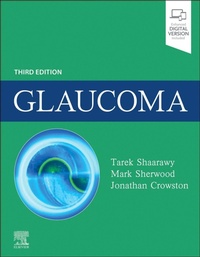
Glaucoma
3rd Edition
Will be published approx. on 2. November 2026
Book
Hardback
976 pages
978-0-7020-8484-3 (ISBN)
Description
With expert, comprehensive coverage of adult and pediatric glaucoma, including the latest diagnostic testing, medical management, and surgical techniques, Glaucoma, 3rd Edition, remains the reference of choice for specialists, fellows, and general ophthalmologists. Now in a single, convenient volume, this fully revised resource brings together the knowledge and experience of more than 300 contributing authors who provide a truly global perspective to this challenging field. Well organized and easy to use, this full-color text provides exactly the information you need to effectively diagnose, manage, and treat patients with glaucoma.
Covers the latest updates in the field, including minimally invasive glaucoma surgery and micro-stent innovation; advances in diagnostic imaging, including OCT; gene therapy, stem cell research, and regenerative approaches; medical therapies, including cost-effective strategies; management of co-existing cataract and glaucoma; and core surgical techniques such as trabeculectomy, non-penetrating glaucoma surgeries, glaucoma drainage device implantation, and more
Contains sixteen new chapters, including Metabolism, Ageing, and Glaucoma Pathogenesis; OCTA in Glaucoma Diagnosis; Sustained Delivery Systems for Glaucoma Medications; Marijuana and Glaucoma; Laser as First Line Treatment; Micro-invasive Bleb Surgery (MIBS); and more, as well as new chapters on big data, lifestyle changes, alternative therapies, VR devices, telemedicine, and artificial intelligence
Helps you refine your diagnostic and surgical skills with more than 1,600 illustrations, photos, and graphics that capture essential diagnostic techniques, imaging methods, and surgical approaches
Features a refreshed video collection of more than 50 video clips that depict the latest techniques and procedures including: new trabeculectomy methods, needling, implants, valve complications, and more
Includes spotlight commentaries from key leaders that provide added insight, tips, and pearls across varying hot topics and advances in the field
An eBook version is included with purchase. The eBook allows you to access all of the text, figures, and references, with the ability to search, make notes and highlights, and have content read aloud. Additional digital ancillary content may publish up to 6 weeks following the publication date
Covers the latest updates in the field, including minimally invasive glaucoma surgery and micro-stent innovation; advances in diagnostic imaging, including OCT; gene therapy, stem cell research, and regenerative approaches; medical therapies, including cost-effective strategies; management of co-existing cataract and glaucoma; and core surgical techniques such as trabeculectomy, non-penetrating glaucoma surgeries, glaucoma drainage device implantation, and more
Contains sixteen new chapters, including Metabolism, Ageing, and Glaucoma Pathogenesis; OCTA in Glaucoma Diagnosis; Sustained Delivery Systems for Glaucoma Medications; Marijuana and Glaucoma; Laser as First Line Treatment; Micro-invasive Bleb Surgery (MIBS); and more, as well as new chapters on big data, lifestyle changes, alternative therapies, VR devices, telemedicine, and artificial intelligence
Helps you refine your diagnostic and surgical skills with more than 1,600 illustrations, photos, and graphics that capture essential diagnostic techniques, imaging methods, and surgical approaches
Features a refreshed video collection of more than 50 video clips that depict the latest techniques and procedures including: new trabeculectomy methods, needling, implants, valve complications, and more
Includes spotlight commentaries from key leaders that provide added insight, tips, and pearls across varying hot topics and advances in the field
An eBook version is included with purchase. The eBook allows you to access all of the text, figures, and references, with the ability to search, make notes and highlights, and have content read aloud. Additional digital ancillary content may publish up to 6 weeks following the publication date
More details
Edition
3rd edition
Language
English
Place of publication
London
United Kingdom
Target group
Professional and scholarly
Product notice
sewn/stitched
Cloth over boards
Dimensions
Height: 276 mm
Width: 216 mm
ISBN-13
978-0-7020-8484-3 (9780702084843)
Copyright in bibliographic data and cover images is held by Nielsen Book Services Limited or by the publishers or by their respective licensors: all rights reserved.
Schweitzer Classification
Other editions
Previous edition
Book
09/2014
2nd Edition
Saunders
€414.47
Shipment within 10-20 days
Persons
Author
Privat Docent, University of Geneva; Consultant Ophthalmologist and Head, Glaucoma Sector, Ophthalmology Service, Department of Clinical Neurosciences, Geneva University Hospitals, Geneva, Switzerland
Daniels Professor, Departments of Ophthalmology and Cell Biology, Director of Vision Research Center, University of Florida, Gainesville, FL, USA
Professor, Department of Ophthalmology, University of Melbourne, Centre for Eye Research Australia, Royal Victorian Eye & Ear Hospital, Melbourne, Australia
Content
Section 1 Glaucoma in the World
1. Prevalence and Geographic Variations
2. Screening for Glaucoma
Section 2 Pathogenesis
3. Aqueous Humor Dynamics and Intraocular Pressure Elevation
4. Pathogenesis of Glaucomatous Optic Neuropathy
5. Mechanical Strain and Restructuring of the Optic Nerve Head
6. Role of Vascular Blood Flow in the Pathogenesis of Glaucoma
7. Metabolism, Ageing, and Glaucoma Pathogenesis
Section 3 Evaluation of Glaucoma
8. Tonometry and Intraocular Pressure Fluctuation
9. Visual Fields
10. Long Term Follow-Up of Visual Fields
11. Function-Specific Perimetry
12. New Approaches to Perimetry
13. Electrophysiology in Glaucoma Assessment
14. Gonioscopy
15. Ultrasound Biomicroscopy and Angle Imaging
16. Angle Imaging: Anterior Segment Optical Coherence Tomography
17. Corneal Biomechanics in Glaucoma
18. Optic Disc Photography in Diagnosis of Glaucoma
19. Optic Disc Imaging
20. Retinal Nerve Fiber Layer Analysis
21. Optical Coherence Tomography Angiography in Glaucoma Diagnosis (OCTA)
22. Measuring Glaucoma Progression in Clinical Practice
23. Genetics of Glaucoma
24. Genetic Epidemiology
Section 4 Types of Glaucoma
25. Ocular Hypertension
26. Primary Open-Angle Glaucoma
27. Normal Tension Glaucoma
28. Exfoliation Syndrome and Exfoliative Glaucoma
29. Pigmentary Glaucoma
30. Primary Angle-Closure Glaucoma
31. Secondary Angle-Closure Glaucoma
32. Neovascular Glaucoma
33. Uveitic Glaucoma
34. Glaucoma Secondary to Trauma
35. Glaucoma and Intraocular Tumors
36. Glaucoma in the Phakomatoses and Related Conditions
37. Other Secondary Glaucomas
38. Childhood Glaucomas
Section 5 Principles of Management
39. Management of Ocular Hypertension and Primary Open-angle Glaucoma
40. An Overview of Angle-Closure Management
41. Quality of Life
42. Optimizing Patient Outcomes in Glaucoma: Effectiveness of Glaucoma Treatments on Quality of Life
43. Ocular Hypotensive Medications: Adherence and Performance
44. Outcomes - Goals of Treatment
45. Benefit Versus Risk
Section 6 Medical Therapy
46. Prostagladin Analogues
47. Beta-blockers
48. Carbonic Anhydrase Inhibitors
49. Alpha Agonists
50. Rhokinase
51. Parasympathomimetics
52. Fixed Combination Therapies in Glaucoma
53. Ocular Surface Disease and the Role of Preservatives in Glaucoma Medications
54. Sustained delivery systems for Glaucoma Medications
55. Marijuana and Glaucoma
56. Management of Acute Intraocular Pressure Rise
Section 7 Surgery: Introduction
57. Laser as First Line Treatment
58. Surgery as First Line Treatment
59. The Trabecular Meshwork Outflow Pathways: Surgical Aspects
Section 8 Laser Therapy
60. Selective Laser Trabeculoplasty
61. Peripheral Iridotomy for Angle-Closure Glaucoma
62. Laser Peripheral Iridoplasty
Section 9 Trabeculectomy
63. Ophthalmic Anesthesia
64. Trabeculectomy: Preoperative Evaluation and Management
65. Trabeculectomy
66. Wound Healing and Bleb Evaluation after Trabeculectomy
67. Intraoperative Complications of Trabeculectomy
68. Early Postoperative Increase in Intraocular Pressure
69. Tenon's Cyst Formation and Management
70. Postoperative Shallow Anterior Chamber
71. Aqueous Misdirection
72. Choroidal Effusion and Hemorrhage
73. Late Bleb Leaks and Complications Associated with Modulation of Wound Healing in Glaucoma Surgery
74. Blebitis and Endophthalmitis
75. Late Hypotony
76. Late Failure of Filtering Bleb
77. Cataract Following Trabeculectomy
78. Trabeculectomy-related Corneal complications
Section 10 Nonpenetrating Glaucoma Surgery
79. Non-Penetrating Procedures - Principle and Mechanism of Function
80. Deep Sclerectomy and Postoperative Management of Nonpenetrating Glaucoma Surgery
81. Results of Nonpenetrating Glaucoma Surgery
Section 11 Modulation of Wound Healing
82. Risk factors for excess wound healing
83. Modulation of Wound Healing
84. Biological Drivers of Postoperative Scarring and Future Strategies
85. Bleb Needling and Enhancement
Section 12 Management of Co-Existing Cataract and Glaucoma
86. Cataract Surgery in Open Angle Glaucoma
87. The Role of Lens Extraction in Primary Angle Closure Glaucoma
88. Goniosynechialysis
89. Cataract Surgery in Patients with Functioning Filtering Blebs
90. Combined Phaco and MIGS
91. Combined Sugery: Phacotrabeculectomy
92. Combined cataract extraction and glaucoma drainage implant surgery
Section 13 Drainage Devices
93. Preoperative Evaluation of Patients Undergoing Drainage Implant Surgery and Choice of Implant
94. Glaucoma Drainage Implants - Surgical Technique
95. Aqueous Shunts after Retinal Surgery
96. Intraoperative Complications and Postoperative Complications
97. Glaucoma Implants: Results from Clinical Trials
98. Aqueous Shunts and the Cornea
Section 14 Surgery for Congenital Glaucoma
99. Goniotomy and Trabeculotomy
100. Further Surgical Options in Children
Section 15 Procedures that Target the Ciliary Body
101. Cyclodestructive Techniques
102. Endophotocoagulation
103. Complications of Cyclodestructive Procedures
Section 16 MIGS
104. Canal Based Procedures
105. Canal based Devices
106. Suprachoroidal Space Based Procedures
107. Subconjunctival Based MIGS Procedures
Section 17 New Developments in Glaucoma
108. Neuroprotection, Neuroenhancement, and Neuroregeneration
109. RGC replacement
110. Big Data and Glaucoma
111. Lifestyle Changes in Glaucoma
112. Meditation and Alternative Therapies for Glaucoma
113. Smartphone and Virtual Reality Devices in Glaucoma screening and detection
114. Telemedicine and Glaucoma
115. AI and Glaucoma
1. Prevalence and Geographic Variations
2. Screening for Glaucoma
Section 2 Pathogenesis
3. Aqueous Humor Dynamics and Intraocular Pressure Elevation
4. Pathogenesis of Glaucomatous Optic Neuropathy
5. Mechanical Strain and Restructuring of the Optic Nerve Head
6. Role of Vascular Blood Flow in the Pathogenesis of Glaucoma
7. Metabolism, Ageing, and Glaucoma Pathogenesis
Section 3 Evaluation of Glaucoma
8. Tonometry and Intraocular Pressure Fluctuation
9. Visual Fields
10. Long Term Follow-Up of Visual Fields
11. Function-Specific Perimetry
12. New Approaches to Perimetry
13. Electrophysiology in Glaucoma Assessment
14. Gonioscopy
15. Ultrasound Biomicroscopy and Angle Imaging
16. Angle Imaging: Anterior Segment Optical Coherence Tomography
17. Corneal Biomechanics in Glaucoma
18. Optic Disc Photography in Diagnosis of Glaucoma
19. Optic Disc Imaging
20. Retinal Nerve Fiber Layer Analysis
21. Optical Coherence Tomography Angiography in Glaucoma Diagnosis (OCTA)
22. Measuring Glaucoma Progression in Clinical Practice
23. Genetics of Glaucoma
24. Genetic Epidemiology
Section 4 Types of Glaucoma
25. Ocular Hypertension
26. Primary Open-Angle Glaucoma
27. Normal Tension Glaucoma
28. Exfoliation Syndrome and Exfoliative Glaucoma
29. Pigmentary Glaucoma
30. Primary Angle-Closure Glaucoma
31. Secondary Angle-Closure Glaucoma
32. Neovascular Glaucoma
33. Uveitic Glaucoma
34. Glaucoma Secondary to Trauma
35. Glaucoma and Intraocular Tumors
36. Glaucoma in the Phakomatoses and Related Conditions
37. Other Secondary Glaucomas
38. Childhood Glaucomas
Section 5 Principles of Management
39. Management of Ocular Hypertension and Primary Open-angle Glaucoma
40. An Overview of Angle-Closure Management
41. Quality of Life
42. Optimizing Patient Outcomes in Glaucoma: Effectiveness of Glaucoma Treatments on Quality of Life
43. Ocular Hypotensive Medications: Adherence and Performance
44. Outcomes - Goals of Treatment
45. Benefit Versus Risk
Section 6 Medical Therapy
46. Prostagladin Analogues
47. Beta-blockers
48. Carbonic Anhydrase Inhibitors
49. Alpha Agonists
50. Rhokinase
51. Parasympathomimetics
52. Fixed Combination Therapies in Glaucoma
53. Ocular Surface Disease and the Role of Preservatives in Glaucoma Medications
54. Sustained delivery systems for Glaucoma Medications
55. Marijuana and Glaucoma
56. Management of Acute Intraocular Pressure Rise
Section 7 Surgery: Introduction
57. Laser as First Line Treatment
58. Surgery as First Line Treatment
59. The Trabecular Meshwork Outflow Pathways: Surgical Aspects
Section 8 Laser Therapy
60. Selective Laser Trabeculoplasty
61. Peripheral Iridotomy for Angle-Closure Glaucoma
62. Laser Peripheral Iridoplasty
Section 9 Trabeculectomy
63. Ophthalmic Anesthesia
64. Trabeculectomy: Preoperative Evaluation and Management
65. Trabeculectomy
66. Wound Healing and Bleb Evaluation after Trabeculectomy
67. Intraoperative Complications of Trabeculectomy
68. Early Postoperative Increase in Intraocular Pressure
69. Tenon's Cyst Formation and Management
70. Postoperative Shallow Anterior Chamber
71. Aqueous Misdirection
72. Choroidal Effusion and Hemorrhage
73. Late Bleb Leaks and Complications Associated with Modulation of Wound Healing in Glaucoma Surgery
74. Blebitis and Endophthalmitis
75. Late Hypotony
76. Late Failure of Filtering Bleb
77. Cataract Following Trabeculectomy
78. Trabeculectomy-related Corneal complications
Section 10 Nonpenetrating Glaucoma Surgery
79. Non-Penetrating Procedures - Principle and Mechanism of Function
80. Deep Sclerectomy and Postoperative Management of Nonpenetrating Glaucoma Surgery
81. Results of Nonpenetrating Glaucoma Surgery
Section 11 Modulation of Wound Healing
82. Risk factors for excess wound healing
83. Modulation of Wound Healing
84. Biological Drivers of Postoperative Scarring and Future Strategies
85. Bleb Needling and Enhancement
Section 12 Management of Co-Existing Cataract and Glaucoma
86. Cataract Surgery in Open Angle Glaucoma
87. The Role of Lens Extraction in Primary Angle Closure Glaucoma
88. Goniosynechialysis
89. Cataract Surgery in Patients with Functioning Filtering Blebs
90. Combined Phaco and MIGS
91. Combined Sugery: Phacotrabeculectomy
92. Combined cataract extraction and glaucoma drainage implant surgery
Section 13 Drainage Devices
93. Preoperative Evaluation of Patients Undergoing Drainage Implant Surgery and Choice of Implant
94. Glaucoma Drainage Implants - Surgical Technique
95. Aqueous Shunts after Retinal Surgery
96. Intraoperative Complications and Postoperative Complications
97. Glaucoma Implants: Results from Clinical Trials
98. Aqueous Shunts and the Cornea
Section 14 Surgery for Congenital Glaucoma
99. Goniotomy and Trabeculotomy
100. Further Surgical Options in Children
Section 15 Procedures that Target the Ciliary Body
101. Cyclodestructive Techniques
102. Endophotocoagulation
103. Complications of Cyclodestructive Procedures
Section 16 MIGS
104. Canal Based Procedures
105. Canal based Devices
106. Suprachoroidal Space Based Procedures
107. Subconjunctival Based MIGS Procedures
Section 17 New Developments in Glaucoma
108. Neuroprotection, Neuroenhancement, and Neuroregeneration
109. RGC replacement
110. Big Data and Glaucoma
111. Lifestyle Changes in Glaucoma
112. Meditation and Alternative Therapies for Glaucoma
113. Smartphone and Virtual Reality Devices in Glaucoma screening and detection
114. Telemedicine and Glaucoma
115. AI and Glaucoma