

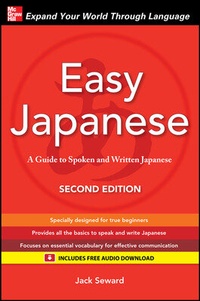
Easy Japanese, Second Edition
2nd Edition
Will be published approx. on 16. November 2010
Book
Paperback/Softback
224 pages
978-0-07-173614-5 (ISBN)
Description
Learn Japanese in 16 easy-to-follow lessons!
Easy Japanese provides all the basics you need to speak and write Japanese. Designed with the true beginner in mind, this book provides full language explanations in English and focuses on essential Japanese for effective communication in everyday situations.
You'll find the lessons stimulating and effortless and organized into clearly defined sections for ease of use: useful everyday expressions; pattern sentences and how to use the grammar; cultural highlights and study recommendations. Once you get a bit comfortable, written Japanese--both kana and kanji--is introduced. You can put to use your new skills right from the start and allows you to progress at your own pace.
Includes:
16 easy-to-follow lessonsCultural "sidelights" and study recommendationsA free audio download from the first chapter (lesson), The Importance of Good Pronunciation.
Topics include: The Importance of Good Pronunciation, Word Order, Particles Wa, Ga, Mo, Ka, Ne, and Yo, Singulars and Plurals, Desu and Arimasu, Yes and No, Nouns, Negatives of Desu and Arimasu, The ko, so, a, and do words, The uses of no, Names of nations, languages, and peoples, The two classes of adjectives, Kana, Conjugation of A Verbs, -masu, Periods of Time, Basic numbers, Desiderative -tai, Gerund + hoshii, "and", Conjugation B verbs, Pronouns, Time, Irregular verbs, Adverbs, -nagara (while, although), Tsumori (intention), Kara, node, and naze ka to iu to (because), Noni, tame ni--In order to, Noni--Even though, Tokoro--Place, time, et al, Dokoro ka--Quite the contrary, -tari (-dari) suru--to do this and that, Ho ga ii...It is better to..., Numators, Passive Voice, The Causative and the Passive Causative, Kanji (the written characters), Particles, Conjunctions, To--meaning if or when or with, Phrases of location, Interjections, -kata, yo, oku, miru, -te (-de) miru, -yasui and -nikui, -so desu, Koto, (conditional verb) to suru or to omou, kamo shiremasen, -shidai, Must, Should, Commands, Instructions, and Requests, Permission, -ra suffixed to the plain past, The Comparative Degree, The Superlative Degree, The same as..,Nara
Easy Japanese provides all the basics you need to speak and write Japanese. Designed with the true beginner in mind, this book provides full language explanations in English and focuses on essential Japanese for effective communication in everyday situations.
You'll find the lessons stimulating and effortless and organized into clearly defined sections for ease of use: useful everyday expressions; pattern sentences and how to use the grammar; cultural highlights and study recommendations. Once you get a bit comfortable, written Japanese--both kana and kanji--is introduced. You can put to use your new skills right from the start and allows you to progress at your own pace.
Includes:
16 easy-to-follow lessonsCultural "sidelights" and study recommendationsA free audio download from the first chapter (lesson), The Importance of Good Pronunciation.
Topics include: The Importance of Good Pronunciation, Word Order, Particles Wa, Ga, Mo, Ka, Ne, and Yo, Singulars and Plurals, Desu and Arimasu, Yes and No, Nouns, Negatives of Desu and Arimasu, The ko, so, a, and do words, The uses of no, Names of nations, languages, and peoples, The two classes of adjectives, Kana, Conjugation of A Verbs, -masu, Periods of Time, Basic numbers, Desiderative -tai, Gerund + hoshii, "and", Conjugation B verbs, Pronouns, Time, Irregular verbs, Adverbs, -nagara (while, although), Tsumori (intention), Kara, node, and naze ka to iu to (because), Noni, tame ni--In order to, Noni--Even though, Tokoro--Place, time, et al, Dokoro ka--Quite the contrary, -tari (-dari) suru--to do this and that, Ho ga ii...It is better to..., Numators, Passive Voice, The Causative and the Passive Causative, Kanji (the written characters), Particles, Conjunctions, To--meaning if or when or with, Phrases of location, Interjections, -kata, yo, oku, miru, -te (-de) miru, -yasui and -nikui, -so desu, Koto, (conditional verb) to suru or to omou, kamo shiremasen, -shidai, Must, Should, Commands, Instructions, and Requests, Permission, -ra suffixed to the plain past, The Comparative Degree, The Superlative Degree, The same as..,Nara
More details
Edition
2nd edition
Language
English
Place of publication
London
United States
Publishing group
McGraw-Hill Education - Europe
Target group
Professional and scholarly
Illustrations
0 Illustrations
Dimensions
Height: 229 mm
Width: 152 mm
Thickness: 13 mm
Weight
299 gr
ISBN-13
978-0-07-173614-5 (9780071736145)
Copyright in bibliographic data and cover images is held by Nielsen Book Services Limited or by the publishers or by their respective licensors: all rights reserved.
Schweitzer Classification
Person
McGraw-Hill authors represent the leading experts in their fields and are dedicated to improving the lives, careers, and interests of readers worldwide
Content
1. The Importance of Good Pronunciation2. A. Word Order B. Particles Wa, Ga, Mo, Ka, Ne, and Yo C. Singulars and Plurals D. Desu and Arimasu E. Yes and No3. A. Nouns B. Negatives of Desu and Arimasu C. The ko, so, a, and do words D. The uses of no4. A. Names of nations, languages, and peoples B. The two classes of adjectives5. Kana6. A. Conjugation of A Verbs B. -masu C. Periods of Time7. A. Basic numbers B. Desiderative -tai C. Gerund + hoshii D. "and" E. Conjugation B verbs8. A. Pronouns B. Time 9. A. Irregular verbs B. Adverbs C. -nagara (while, although) D. Tsumori (intention) E. Kara, node, and naze ka to iu to (because)10. A. Noni, tame ni--In order to b. Noni--Even though C. Tokoro--Place, time, et al D. Dokoro ka--Quite the contrary... E. -tari (-dari) suru--to do this and that F. Ho ga ii...It is better to... G. Numators H. Passive Voice I. The Causative and the Passive Causative 11. Kanji (the written characters)12. A. Particles B. Conjunctions C. To--meaning if or when or with D. Phrases of location E. Interjections13. A. bakari B. -kata C. yo D. oku E. miru, -te (-de) miru F. -yasui and -nikui G. -so desu14. A. Koto B. (conditional verb) to suru or to omou C. kamo shiremasen D. -shidai15. A. Must B. Should C. Commands, Instructions, and Requests D. Permission E. -ra suffixed to the plain past16. A. The Comparative Degree B. The Superlative Degree C. The same as... D. Nara