


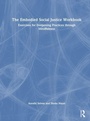
The Embodied Social Justice Workbook
Description
The Embodied Social Justice Workbook explores mindfulness-based practices within a social justice framework, and offers comprehensive guidance to help individuals in marginalized communities deepen their awareness and integrate social justice into their daily lives safely and supportively.
This workbook addresses the critical intersection of mental health, social justice, and mindfulness-based practices, offering valuable insights and tools for practitioners working in these areas. Tailored for individuals and communities navigating marginalization, systemic privilege, and oppression, this book provides a space for readers to engage in mindful practices, document their experiences, and incorporate embodied mindfulness into their daily lives. Chapters explore essential themes such as power and privilege, collective action, creating safe spaces for practice, as well as body mapping and interpreting embodied signals. This hands-on guide is filled with practical exercises and reflection questions as well as lived-experience vignettes to help readers translate practices into their daily lives. It can be used as a companion to Embodied Social Justice Counseling for Indian Communities or as a standalone resource.
This book is intended for mental health professionals of all kinds who have an interest in social justice, mindfulness, and especially those who work with clients in the Indian diaspora. It is also a valuable resource for individuals who are interested in engaging in mindful practices and enhancing their awareness of social justice.
More details
Other editions
Additional editions

Persons
Aarathi Selvan, PhD, is a clinical psychologist, founder of Pause for Perspective, and educator integrating mindfulness and embodied social justice into counseling psychology through community practice, teaching, and research in India.
Shoba Nayar, PhD, is a mental health practitioner, qualitative researcher, and educator navigating issues of social justice experienced by marginalized communities in the Indian context.
Content
Part 1: Setting the Scene 1. Introduction to A Journey into Embodied Social Justice 2. Creating a Safe Space to Practice 3. Embodied Social Justice Part 2: Body as a Site of Liberation 4. 5. Displaying What Is Our Right: Embodied Collective Action Part 3: Body as a Site of Protest 6. Freeze as Protest: Recognizing Bodily Shutdown 7. Coming Into My Power: Refusal to Be Erased Part 4: Body as a Site of Resistance 8. Friction with Privilege 9. Calling the Bluff of Privilege 10. The Ongoing Practice of Returning Recommended Resources Appendix A: Mapping Your Body's Sensations Appendix B: Body Mapping Exercise Appendix C: Letters as a Practice of Relationship and Accountability Appendix D: Pleasant and Unpleasant Events as Embodied Signals