


Samahani
Description
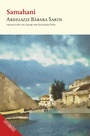
'Samahani' significa 'perdóname' en suajili, una palabra que contrasta con esta fábula de esclavitud, crueldad, amor y venganza ambientada en el Zanzíbar del siglo XIX. Entre el mercado de esclavos y los talleres de joyeros indios, Uhuru, una joven africana libre y experta en magia negra, cautiva a la hija del sultán. Mientras la revuelta se gesta en la isla, los personajes sueñan con huir hacia la costa oriental de África, una tierra de origen y de promesas.
"Samahani" means "forgive me" in Swahili--a word that stands in stark contrast to this fable of slavery, cruelty, love, and revenge set in nineteenth-century Zanzibar. Between the slave market and the workshops of Indian jewelers, Uhuru, a free African woman skilled in black magic, captivates the sultan's daughter. As rebellion brews on the island, the characters dream of escape toward the East African coast, a land of origins and promise.
More details
Other editions
Additional editions
Person
Abdelaziz Báraka Sakin nació en Kasala, Sudán, en 1963. Autor de siete novelas y siete colecciones de cuentos, ganó el prestigioso premio Al Tayeb Salih a la escritura creativa internacional en 2009. Su novela más célebre, El Mesías de Darfur, se publicó por primera vez en árabe en Sudán en 2012. Al tratar directamente el genocidio que tuvo lugar en esta región sudanesa, fue inmediatamente aclamado por el público y censurado por su Gobierno. Todas las existencias del libro fueron destruidas y Sakin fue primero detenido y luego forzado al exilio. Actualmente vive en Austria, donde obtuvo asilo político y continúa escribiendo y publicando. Sus novelas siguen circulando clandestinamente en Sudán. En 2020, el Institut du Monde Arabe de París le concedió el prestigioso Prix de la Littérature Arabe por su novela Les Django.
Abdelaziz Baraka Sakin was born in Kasala, Sudan, in 1963. The author of seven novels and seven short story collections, he won the prestigious Al Tayeb Salih Award for International Creative Writing in 2009. His best-known novel, El Mesías de Darfur, was first published in Arabic in Sudan in 2012. By directly addressing the genocide that took place in this Sudanese region, the novel was immediately acclaimed by readers and censored by the government. All copies were destroyed, and Sakin was first detained and then forced into exile. He currently lives in Austria, where he was granted political asylum and continues to write and publish. His novels continue to circulate clandestinely in Sudan. In 2020, the Institut du Monde Arabe in Paris awarded him the prestigious Prix de la Littérature Arabe for his novel Les Django.