

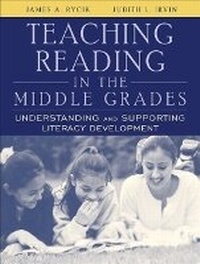
Teaching Reading in the Middle Grades
Understanding and Supporting Literacy Development
Published on 17. November 2004
Book
Paperback/Softback
240 pages
978-0-205-37322-2 (ISBN)
Description
Unlike any other text, Teaching Reading in the Middle Grades provides a balanced readable analysis of recent documents developed by professional organizations, researchers, and government agencies, including the National Council of Teachers of English, the International Reading Association, and the National Reading Panel. With its careful balance of the different dimensions presented in current research outlining that the teacher, not only the method, is a crucial factor in student achievement, this text helps students grasp the scope and complexity of student achievement in Literacy.
More details
Language
English
Place of publication
United States
Publishing group
Pearson Education (US)
Target group
Professional and scholarly
Dimensions
Height: 235 mm
Width: 178 mm
Weight
386 gr
ISBN-13
978-0-205-37322-2 (9780205373222)
Copyright in bibliographic data and cover images is held by Nielsen Book Services Limited or by the publishers or by their respective licensors: all rights reserved.
Schweitzer Classification
Other editions
New editions
James A. Rycik | Judith L. Irvin
Teaching Reading in the Middle Grades
Understanding and Supporting Literacy Development, MyLabSchool Edition
Book
02/2005
Pearson
€58.99
Article is exhausted; no reprint
Content
Most chapters begin with "Activating Prior Knowledge and Making Connections" and conclude with "Summary," "Responding to Reading," "A Case to Consider," "Key Words to Know and Use," and "Beyond the Book." Preface.
I. LITERACY IN THE MIDDLE GRADES.
1. What Middle Grade Readers Need and What Their Teachers Need to Understand.
What Young Adolescent Readers Need.
What Teachers Need to Understand.
2. Constructing Meaning: The Process of Comprehending.
Comprehending.
Metacognition and Reading.
Classroom Implications of Metacognition.
Classroom Applications for Assessment.
Applications for Instruction.
3. Reading the Words: Word Identification and Vocabulary Development.
Using Language Cues Effectively: Interactive Models of Reading.
A Description of Proficient Reading.
Implications for English Language Learners.
Applications for Assessment: Miscue Analysis
Applications for Instruction.
Identifying Unfamiliar Words.
Learning Words Through All the Language Arts.
A Balanced Perspective on Word Reading.
4. Mastering Messages: Learning the Purposes And Forms of Written Language.
Communicative Competence and Reading.
Proficient Reading from a Communication Perspective.
Implications for the Classroom.
Applications for Instruction.
Applications for Assessment.
5. Engaging with Texts: Motivation and Personal Reasons to Read
The Problem of Aliteracy.
Reading Engagement: Developing Skill and Will.
A Description of Proficient Reading.
Implications for the Classroom.
II. THE LANGUAGE ARTS AND READING CLASSROOM: ROUTINES, STRATEGIES, AND EVALUATION TO SUPPORT LITERACY DEVELOPMENT.
6. Classroom Strategies and Routines that Support Literacy Learning.
Scaffolding and the Zone of Proximal Development.
Seven Questions for Choosing Instructional Strategies.
Classroom Literacy Routines.
7. Read Alouds and Oral Reading Routines.
Reasons for Read Alouds in the Middle Grades.
Kinds of Read Alouds.
Activities for Whole Book Read Alouds.
Guidelines for Effective Read Alouds.
Students Reading Aloud.
8. Guided Reading: Planning Students' Engagement with Text.
Characteristics of Guided Reading Routines.
Materials for Guided Reading.
Guidelines for Using Publisher Chosen Materials for Guided Reading.
Planning Guided Reading Engagements.
Teaching Vocabulary During Guided Reading Engagements.
Grouping in Guided Reading Engagements.
A Checklist for Evaluating Guided Reading Engagements.
9. Guided Literature Study.
Goals of Guided Literature Study in the Middle Grades.
Guided Interpretation: Literacy Analysis.
Guiding Literature Study by Bridging Texts.
Accommodating Differences During Guided Literature Study.
10. Independent Reading: Literature Circles and Reader's Workshop.
Goals for Independent Literacy Routines.
Reader Response Activities for Independent Reading.
Literature Circles: Characteristics and Organization.
Reader's Workshop.
Learning New Words During Independent Reading Routines.
11. Integrating the Language Arts: Writing Workshops and Writing Assignments.
Multiple Reading/Writing Connections.
Making Connections in a Writer's Workshop.
Making Writing Assignments.
12. Integrating Literacy Instruction Through Units.
A Model of Integration.
Characteristics of Unit-Centered Reading.
Types of units.
I. LITERACY IN THE MIDDLE GRADES.
1. What Middle Grade Readers Need and What Their Teachers Need to Understand.
What Young Adolescent Readers Need.
What Teachers Need to Understand.
2. Constructing Meaning: The Process of Comprehending.
Comprehending.
Metacognition and Reading.
Classroom Implications of Metacognition.
Classroom Applications for Assessment.
Applications for Instruction.
3. Reading the Words: Word Identification and Vocabulary Development.
Using Language Cues Effectively: Interactive Models of Reading.
A Description of Proficient Reading.
Implications for English Language Learners.
Applications for Assessment: Miscue Analysis
Applications for Instruction.
Identifying Unfamiliar Words.
Learning Words Through All the Language Arts.
A Balanced Perspective on Word Reading.
4. Mastering Messages: Learning the Purposes And Forms of Written Language.
Communicative Competence and Reading.
Proficient Reading from a Communication Perspective.
Implications for the Classroom.
Applications for Instruction.
Applications for Assessment.
5. Engaging with Texts: Motivation and Personal Reasons to Read
The Problem of Aliteracy.
Reading Engagement: Developing Skill and Will.
A Description of Proficient Reading.
Implications for the Classroom.
II. THE LANGUAGE ARTS AND READING CLASSROOM: ROUTINES, STRATEGIES, AND EVALUATION TO SUPPORT LITERACY DEVELOPMENT.
6. Classroom Strategies and Routines that Support Literacy Learning.
Scaffolding and the Zone of Proximal Development.
Seven Questions for Choosing Instructional Strategies.
Classroom Literacy Routines.
7. Read Alouds and Oral Reading Routines.
Reasons for Read Alouds in the Middle Grades.
Kinds of Read Alouds.
Activities for Whole Book Read Alouds.
Guidelines for Effective Read Alouds.
Students Reading Aloud.
8. Guided Reading: Planning Students' Engagement with Text.
Characteristics of Guided Reading Routines.
Materials for Guided Reading.
Guidelines for Using Publisher Chosen Materials for Guided Reading.
Planning Guided Reading Engagements.
Teaching Vocabulary During Guided Reading Engagements.
Grouping in Guided Reading Engagements.
A Checklist for Evaluating Guided Reading Engagements.
9. Guided Literature Study.
Goals of Guided Literature Study in the Middle Grades.
Guided Interpretation: Literacy Analysis.
Guiding Literature Study by Bridging Texts.
Accommodating Differences During Guided Literature Study.
10. Independent Reading: Literature Circles and Reader's Workshop.
Goals for Independent Literacy Routines.
Reader Response Activities for Independent Reading.
Literature Circles: Characteristics and Organization.
Reader's Workshop.
Learning New Words During Independent Reading Routines.
11. Integrating the Language Arts: Writing Workshops and Writing Assignments.
Multiple Reading/Writing Connections.
Making Connections in a Writer's Workshop.
Making Writing Assignments.
12. Integrating Literacy Instruction Through Units.
A Model of Integration.
Characteristics of Unit-Centered Reading.
Types of units.