

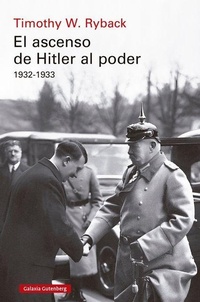
El Ascenso de Hitler Al Poder
Published on 7. April 2026
Book
Paperback/Softback
408 pages
979-13-87605-17-9 (ISBN)
Description
In the summer of 1932, the Weimar Republic was on the verge of collapse. One in three Germans was unemployed. Violence was rampant. Hitler's National Socialists surged at the polls. Paul von Hindenburg, an aging war hero and avowed monarchist, was a reluctant president bound by oath to uphold the constitution. The November elections offered Hitler the prospect of a Reichstag majority and the path to political power. But instead, the Nazis lost two million votes. As membership hemorrhaged and financial backers withdrew, the Nazi Party threatened to fracture. Hitler talked of suicide. The New York Times declared he was finished. Yet somehow, in a few brief weeks, he was chancellor of Germany. In facinating detail and with previously un-accessed archival materials, Timothy W. Ryback tells the remarkable story of Hitler's dismantling of democracy through democratic process. He provides fresh perspective and insights into Hitler's personal and professional lives in these months, in all their complexity and uncertainty--backroom deals, unlikely alliances, stunning betrayals, an ill-timed tax audit, and a fateful weekend that changed our world forever. Above all, Ryback details why a wearied Hindenburg, who disdained the "Bohemian corporal," ultimately decided to appoint Hitler chancellor in January 1933. Within weeks, Germany was no longer a democracy.
More details
Person
Timothy W. Ryback lleva más de tres décadas escribiendo sobre historia y política. Es autor de Hitler's Private Library, elegido mejor libro del año por el Washington Post, y de The Last Survivor, seleccionado como libro destacado por el New York Times. Sus trabajos han aparecido en The New Yorker, The New York Times Magazine, The Wall Street Journal, The Atlantic y Financial Times. Es cofundador y director del Instituto para la Justicia Histórica y la Reconciliación, en La Haya.