

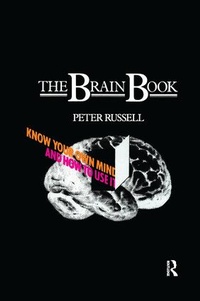
The Brain Book
Know Your Own Mind and How to Use it
1st Edition
Published on 2. November 2015
Book
Hardback
284 pages
978-1-138-13347-1 (ISBN)
Description
The best popular introduction to the human brain and how to make the most of it!
Reviews / Votes
`This is a fascinating book - for everyone who is able to appreciate the human brain, which, Russell says, is the most complex and most powerful information processor known to man. It is especially relevant for those called upon to read a great deal when time is limited, or who attend lectures and seminars and need to take notes. This book will stimulate these people to develop their skills in brain development.' - Nursing Times`It will be seen that the book ranges wide over the important aspects of study and self-management. To those who have long been interested in the problems of effective learning it will come as no surprise, although even they will enjoy the trip through the book. To those who have never given the matter a thought, it can be safely and warmly recommended.' - Education and Training
More details
Language
English
Place of publication
London
United Kingdom
Publishing group
Taylor & Francis Ltd
Target group
College/higher education
Dimensions
Height: 234 mm
Width: 156 mm
Weight
700 gr
ISBN-13
978-1-138-13347-1 (9781138133471)
Copyright in bibliographic data and cover images is held by Nielsen Book Services Limited or by the publishers or by their respective licensors: all rights reserved.
Schweitzer Classification
Other editions
Additional editions
E-Book
08/2013
1st Edition
Routledge
€75.39
Available for download
E-Book
08/2013
Routledge
€52.49
Available for download
Book
10/1980
1st Edition
Routledge
€53.50
Shipment within 15-20 days
Person
Peter Russell
Content
Part One DEVELOPMENT AND STRUCTURE 1. The Spearhead of Evolution 2. The Brain's Development 3. Ten Billion Neurons 4. The Two Sides of the Brain 5. The Ever-Adaptable Brain Part Two FUNCTION AND POTENTIAL 6. The Psychology of Memory 7. Association and Organization in Memory 8. Imagery and Its Relationship to Memory 9. Mnemonics 10. The Brain's Record of Experience 11. The Holographic Theory of Mind 12. Is Everything Remembered? 13. Note Taking 14. Reading 15. Belief and Set 16. Review I 22