

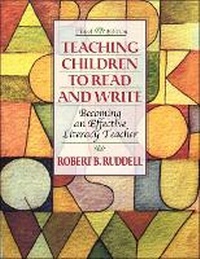
Teaching Children to Read and Write
Becoming an Effective Literacy Teacher, MyLabSchool Edition
3rd Edition
Published on 15. February 2005
Book
Mixed media product
608 pages
978-0-205-46481-4 (ISBN)
Description
This third edition focuses on helping the preservice teacher become an "Effective and Influential Reading Teacher," one whom students remember years later as a special teacher and person.
The ideas and teaching strategies in this text are clearly developed to actively involve preservice teachers in understanding and thinking about children's reading and writing development. Information is derived from the latest theory and research on reading and language development. Central to this text is the real world classroom; thus, theory and research are applied to literacy teaching through examples, instructional strategies, and illustrations - all intended to guide and support readers toward the goal of becoming an effective and influential literacy teacher.
The ideas and teaching strategies in this text are clearly developed to actively involve preservice teachers in understanding and thinking about children's reading and writing development. Information is derived from the latest theory and research on reading and language development. Central to this text is the real world classroom; thus, theory and research are applied to literacy teaching through examples, instructional strategies, and illustrations - all intended to guide and support readers toward the goal of becoming an effective and influential literacy teacher.
More details
Edition
3rd edition
Language
English
Place of publication
United States
Publishing group
Pearson Education (US)
Target group
Professional and scholarly
Dimensions
Height: 235 mm
Width: 191 mm
Weight
1089 gr
ISBN-13
978-0-205-46481-4 (9780205464814)
Copyright in bibliographic data and cover images is held by Nielsen Book Services Limited or by the publishers or by their respective licensors: all rights reserved.
Schweitzer Classification
Other editions
New editions
Book
04/2005
4th Edition
Pearson
€155.98
Article is exhausted; no reprint
Previous edition
Book
06/2002
3rd Edition
Pearson
€93.03
Article exhausted; check for reprint
Content
Each chapter concludes with "Chapter Summary" and "Bridges to the Classroom."
1. Becoming an Effective and Influential Literacy Teacher.
Characteristics of Influential Teachers.
An Overview of Effective Instructional Approaches.
An Historical Perspective on Literacy Instruction in the United States.
The Challenge of Becoming an Effective and Influential Teacher.
2. Understanding Meaning Making and the Reading and Writing Process.
Expert Reader Competencies.
Children's Oral Language Development.
Children's Emergent Literacy and Literacy Development in the Elementary School Years.
Factors that Influence Oral and Written Language Development.
The Sociocognitive Theory of Language and Literacy Development.
The Reading Process - A Synthesis.
3. Understanding Early Reading and Writing Development.
Types of Meaning in Meaning Negotiation.
Ambiguity and Risk in Meaning Negotiation.
Optimal Conditions for Literacy Learning.
Children's Early Reading Development.
Developing Literacy Awareness.
Early Literacy Classrooms.
4. Using Instructional Strategies to Develop Reading Comprehension.
Children's Comprehension Development.
Comprehension Instruction in the Classroom.
Group Reading Approaches for Comprehension.
Strategies That Target Specific Comprehension Processes.
5. Building Vocabulary and Comprehension Connections.
Vocabulary Acquisition.
Goals and Objectives of Vocabulary Instruction.
Active Learning in Vocabulary Learning Contexts.
Before Reading Vocabulary Instruction: Teaching Vocabulary in Context (TVC).
During Reading Vocabulary Instruction: The Context-Structure-Sound- Reference (CSSR) System.
After Reading Vocabulary Instruction: The Vocabulary Self-Collection Strategy (VSS).
Instruction to Support Word Learning and Build Meaning Connections.
6. Building Word Analysis Strategies and Skills.
Phonics and Word Analysis: A History of Controversy.
Developmental Stages in Word Recognition.
Goals and Objectives for Teaching Word Analysis Skills.
Instructional Strategies for Teaching Phonics.
Instructional Strategies for Teaching Syllable Identification.
Instructional Strategies for Teaching Compound Words.
Instructional Strategies for Teaching Affixes and Roots.
Instructional Strategies for Teaching Context Clues.
Instructional Strategies for Developing Reading Fluency.
Skill Application through Wide Reading.
7. Using Literature and Reader Response to Enhance Motivation and Comprehension.
Goals of a Literature Program.
Three Steps in the Reader Motivation and Response Process.
Influence of Instructional Stances on Reader Response.
Sources of Reader Motivation.
Selecting Literature.
Types of Children's Literature.
Developing the Classroom Reading Center.
Instructional Strategies for Teaching Literature.
Evaluating Children's Progress in Responding to Literature.
8. Developing Children's Reading and Writing in Content Areas.
Relationships among Reading, Writing, and Learning.
Content Area Literacy in Perspective.
Guiding Children's Reading in Content Area Instruction.
Guiding Children's Writing in Content Area Instruction.
Developing Children's Handwriting.
Integrating Reading and Writing across the Curriculum.
9. Instructing Delayed Readers in a Regular Classroom Setting.
Understanding Delayed Readers.
Meeting the Needs of Delayed Readers: Assessment, Word Analysis, Comprehension, and Motivation.
Final Thoughts.
10. Understanding Language and Cultural Diversity and Special Needs.
Understanding the Impact of Diversity.
Children's Language Acquisition Strategies.
Children's Language and Culture.
Programs for Students with Limited English Proficiency.
Specific Classroom Strategies for Teaching Bilingual Learners.
Understanding Students with Special Needs.
Your Role in Planning and Adapting Instruction for Students with Special Needs.
Using Tutors to Assist in Meeting Student Needs.
11. Assessing Children's Progress in Literacy Development.
Principles of Assessment.
Classroom Observations.
Portfolio Assessment.
Formal Assessment.
Communicating Student Progress to Parents.
12. Examining Instructional Approaches to Literacy Learning.
The Basal Reader Approach.
The Literature-Based Approach.
The Whole Language Approach.
Evaluation of Instructional and Supplementary Programs.
Technology-Based Instruction.
13. Continuing Your Professional Growth as an Effective and Influential Literacy Teacher.
Process of Professional Development.
Your Personal and Professional Support Network.
Professional Connections for Reading and Writing Teachers.
The Role of Professional Reflection.
1. Becoming an Effective and Influential Literacy Teacher.
Characteristics of Influential Teachers.
An Overview of Effective Instructional Approaches.
An Historical Perspective on Literacy Instruction in the United States.
The Challenge of Becoming an Effective and Influential Teacher.
2. Understanding Meaning Making and the Reading and Writing Process.
Expert Reader Competencies.
Children's Oral Language Development.
Children's Emergent Literacy and Literacy Development in the Elementary School Years.
Factors that Influence Oral and Written Language Development.
The Sociocognitive Theory of Language and Literacy Development.
The Reading Process - A Synthesis.
3. Understanding Early Reading and Writing Development.
Types of Meaning in Meaning Negotiation.
Ambiguity and Risk in Meaning Negotiation.
Optimal Conditions for Literacy Learning.
Children's Early Reading Development.
Developing Literacy Awareness.
Early Literacy Classrooms.
4. Using Instructional Strategies to Develop Reading Comprehension.
Children's Comprehension Development.
Comprehension Instruction in the Classroom.
Group Reading Approaches for Comprehension.
Strategies That Target Specific Comprehension Processes.
5. Building Vocabulary and Comprehension Connections.
Vocabulary Acquisition.
Goals and Objectives of Vocabulary Instruction.
Active Learning in Vocabulary Learning Contexts.
Before Reading Vocabulary Instruction: Teaching Vocabulary in Context (TVC).
During Reading Vocabulary Instruction: The Context-Structure-Sound- Reference (CSSR) System.
After Reading Vocabulary Instruction: The Vocabulary Self-Collection Strategy (VSS).
Instruction to Support Word Learning and Build Meaning Connections.
6. Building Word Analysis Strategies and Skills.
Phonics and Word Analysis: A History of Controversy.
Developmental Stages in Word Recognition.
Goals and Objectives for Teaching Word Analysis Skills.
Instructional Strategies for Teaching Phonics.
Instructional Strategies for Teaching Syllable Identification.
Instructional Strategies for Teaching Compound Words.
Instructional Strategies for Teaching Affixes and Roots.
Instructional Strategies for Teaching Context Clues.
Instructional Strategies for Developing Reading Fluency.
Skill Application through Wide Reading.
7. Using Literature and Reader Response to Enhance Motivation and Comprehension.
Goals of a Literature Program.
Three Steps in the Reader Motivation and Response Process.
Influence of Instructional Stances on Reader Response.
Sources of Reader Motivation.
Selecting Literature.
Types of Children's Literature.
Developing the Classroom Reading Center.
Instructional Strategies for Teaching Literature.
Evaluating Children's Progress in Responding to Literature.
8. Developing Children's Reading and Writing in Content Areas.
Relationships among Reading, Writing, and Learning.
Content Area Literacy in Perspective.
Guiding Children's Reading in Content Area Instruction.
Guiding Children's Writing in Content Area Instruction.
Developing Children's Handwriting.
Integrating Reading and Writing across the Curriculum.
9. Instructing Delayed Readers in a Regular Classroom Setting.
Understanding Delayed Readers.
Meeting the Needs of Delayed Readers: Assessment, Word Analysis, Comprehension, and Motivation.
Final Thoughts.
10. Understanding Language and Cultural Diversity and Special Needs.
Understanding the Impact of Diversity.
Children's Language Acquisition Strategies.
Children's Language and Culture.
Programs for Students with Limited English Proficiency.
Specific Classroom Strategies for Teaching Bilingual Learners.
Understanding Students with Special Needs.
Your Role in Planning and Adapting Instruction for Students with Special Needs.
Using Tutors to Assist in Meeting Student Needs.
11. Assessing Children's Progress in Literacy Development.
Principles of Assessment.
Classroom Observations.
Portfolio Assessment.
Formal Assessment.
Communicating Student Progress to Parents.
12. Examining Instructional Approaches to Literacy Learning.
The Basal Reader Approach.
The Literature-Based Approach.
The Whole Language Approach.
Evaluation of Instructional and Supplementary Programs.
Technology-Based Instruction.
13. Continuing Your Professional Growth as an Effective and Influential Literacy Teacher.
Process of Professional Development.
Your Personal and Professional Support Network.
Professional Connections for Reading and Writing Teachers.
The Role of Professional Reflection.