

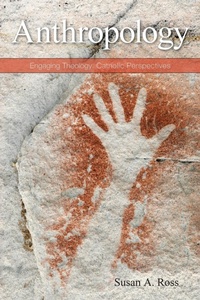
Anthropology
Seeking Light and Beauty
Published on 1. June 2012
Book
Paperback/Softback
184 pages
978-0-8146-5994-6 (ISBN)
Description
Drawing on the wisdom and teaching experience of highly respected theologians, the Engaging Theology series builds a firm foundation for graduate study and other ministry formation programs. Each of the volumes-Scripture, Jesus, God, Anthropology, and Church-is concerned with retrieving, carefully evaluating, and constructively interpreting the Christian tradition. Comprehensive in scope and accessibly written, these volumes, used together or independently, will stimulate rich theological reflection and discussion. More important, the series will create and sustain the passion of the next generation of theologians and church leaders.
What does it mean to be human in the twenty-first century? Susan Ross explores this question through the lens of human desires: for God, freedom, knowledge, love, and pleasure, but also for power, consumer goods, self-gratification, and money. Beginning with biblical narratives of human desires, she goes on to consider how ancient, medieval, and modern thinkers have wrestled with the various ways that human beings have sought fulfillment in the world and in God.
The twenty-first century brings new questions and continuing challenges:
In a world of increasing complexity and fragmentation, can we still talk about the self?
How have feminism and new thinking about sexuality changed the ways we think about ourselves?
How do we maintain our humanity in the face of monstrous human evil?
What do the findings of science say about our uniqueness as human beings?
Anthropology: Seeking Light and Beauty offers a path through the many conflicting views of humanity, suggesting a fuller way of living as we try to follow the example of Jesus.
What does it mean to be human in the twenty-first century? Susan Ross explores this question through the lens of human desires: for God, freedom, knowledge, love, and pleasure, but also for power, consumer goods, self-gratification, and money. Beginning with biblical narratives of human desires, she goes on to consider how ancient, medieval, and modern thinkers have wrestled with the various ways that human beings have sought fulfillment in the world and in God.
The twenty-first century brings new questions and continuing challenges:
In a world of increasing complexity and fragmentation, can we still talk about the self?
How have feminism and new thinking about sexuality changed the ways we think about ourselves?
How do we maintain our humanity in the face of monstrous human evil?
What do the findings of science say about our uniqueness as human beings?
Anthropology: Seeking Light and Beauty offers a path through the many conflicting views of humanity, suggesting a fuller way of living as we try to follow the example of Jesus.
Reviews / Votes
What stands out in this fantastic introductory volume to theological anthropology is the myriad of voices that Ross effectively encompasses in her narrative, including Anselm, Thomas Aquinas, Augustine, Lonergan, Rahner, Schillebeeckx, and David Tracy. [This book] is highly recommended as an introductory volume to theological anthropology, and appropriate as source material for an undergraduate course regarding anthropology or moral theology. It is well-written, concise, and adequately sourced.Robert P. Russo, Lourdes University Professor Ross deftly weaves wisdom from classical Christian sources together with insights from contemporary thinkers to form a tapestry that inspires us to think courageously about what it means to be a human being today. Her commitment to the values of truth and justice is evident throughout, and so are her wide-ranging knowledge, her profound Catholic faith, her esteem for science and the arts, and her engaging style of presentation. This is a splendid text, designed to appeal to a wide range of readers!Anne E. Patrick, William H. Laird Professor of Religion and the Liberal Arts, emerita, Carleton College Embracing challenges that emerge from modern and postmodern culture, gender studies, the natural and human sciences, studies of trauma and violence, and technology, Ross remains convinced that the Christian tradition has wisdom to offer to all those who continue to ponder the meaning of being human. With clarity and grace, she offers a splendid overview of theological anthropology and its contemporary challenges. Anthropology: Seeking Light and Beauty is an invitation to join in a lively conversation about the future of humankind in relation to God and to all of creation.Mary Catherine Hilkert, Professor of Theology, University of Notre Dame Ross offers a succinct past-to-present account of theological responses to the question of what it means to be a human being and the implications of those responses for contemporary ethics. . . . Although primarily theological, the biggest strength of this book is its historical breadth and its deft integration of multiple disciplinary interlocutors, including philosophy, psychoanalysis, social theory, and bioethics, among others.Jeanine Viau, Religious Studies Review
More details
Series
Language
English
Place of publication
Collegeville, MN
United States
Target group
Professional and scholarly
Product notice
Paperback (trade)
Dimensions
Height: 229 mm
Width: 152 mm
Thickness: 10 mm
Weight
279 gr
ISBN-13
978-0-8146-5994-6 (9780814659946)
Copyright in bibliographic data and cover images is held by Nielsen Book Services Limited or by the publishers or by their respective licensors: all rights reserved.
Schweitzer Classification
Other editions
Additional editions
E-Book
06/2012
Liturgical Press
€22.49
Available for download
Person
Susan A. Ross is a professor and chair of the theology department at Loyola University Chicago. She is a vice-president and member of the Board of Editors of Concilium, the international theological journal. She is the author of Extravagant Affections: A Feminist Sacramental Theology (1998) and For the Beauty of the Earth: Women, Sacramentality, and Justice (2006).
Content
Contents
Editor's Preface ix
Preface and Acknowledgments xi
Chapter One:
Ancient Resources on Being Human 1
Biblical Resources 1
Interpreting the Bible 1
Some Biblical Narratives 4
Jesus as Exemplar 9
Paul 12
Early Christianity on Being Human 13
Gnosticism, Irenaeus, and Early Christian Martyrs 14
Asceticism 16
Platonism and Origen 19
Augustine 20
Conclusion 24
Chapter Two:
Resources from the Medieval and Reformation Periods 27
Medieval Thought 27
Monasticism and Learning 27
Monasticism and Living One's Faith 32
The Desire for God 33
Scholasticism and Thomas Aquinas 36
The Reformation 39
Martin Luther 40
John Calvin 42
The Council of Trent 44
Women in the Reformation 45
Conclusion 46
Chapter Three:
Resources from Modernity 47
The Desire for Knowledge 48
Descartes 49
Hume and Kant 51
Nineteenth-Century Developments 53
The Desire for Freedom 56
Slaves, Women, and Personhood 57
The "Masters of Suspicion" 61
Karl Marx 61
Sigmund Freud 62
Conclusion / Twentieth-Century Issues 65
Chapter Four:
Christian Selfhood and Postmodernity 67
Characteristics of Postmodern Selfhood 69
Fragmentation and Plurality 69
Social and Historical Relativity 70
The Linguistic Turn 71
Otherness 72
Ambiguity 74
Christian Theological Engagement with Postmodernity 75
Edward Schillebeeckx and "Anthropological Constants" 76
Jan-Olav Henriksen and the Other 78
Karl Rahner and the Desire for God 81
Concluding Reflections on the Postmodern Self 83
Chapter Five:
The Beauty of Embodiment: Body and Sexuality 85
The Body 87
Sex 94
Sex and Traditional Catholic Theology 94
Sexuality and Contemporary Theological Anthropology 98
The Theology of the Body 99
Margaret Farley and "Just Love" 102
Sex and Sexual Variation 104
Conclusion 104
Chapter Six:
The Human Capacity for Evil and the Hope for Salvation 109
The Human Capacity for and Propensity to Evil 111
Human Beings, the Sciences, and Evil 112
Rene Girard's Theory of Violence and Mimetic Desire 114
Understanding the Perpetrators of Evil 116
Victims of Evil 123
Trauma Victims 124
Social Trauma 127
Witnesses to Evil 130
Chapter Seven:
Theology, Science, and Human Personhood 133
What Makes Us the Imago Dei? 135
Animals and Human Beings 139
Human Beings and the World around Us 141
Neuroscience and the Human 144
Technology, Medicine, and the Human Person 148
Conclusion 152
Conclusion: Seeking Light and Beauty 155
Index 163
Editor's Preface ix
Preface and Acknowledgments xi
Chapter One:
Ancient Resources on Being Human 1
Biblical Resources 1
Interpreting the Bible 1
Some Biblical Narratives 4
Jesus as Exemplar 9
Paul 12
Early Christianity on Being Human 13
Gnosticism, Irenaeus, and Early Christian Martyrs 14
Asceticism 16
Platonism and Origen 19
Augustine 20
Conclusion 24
Chapter Two:
Resources from the Medieval and Reformation Periods 27
Medieval Thought 27
Monasticism and Learning 27
Monasticism and Living One's Faith 32
The Desire for God 33
Scholasticism and Thomas Aquinas 36
The Reformation 39
Martin Luther 40
John Calvin 42
The Council of Trent 44
Women in the Reformation 45
Conclusion 46
Chapter Three:
Resources from Modernity 47
The Desire for Knowledge 48
Descartes 49
Hume and Kant 51
Nineteenth-Century Developments 53
The Desire for Freedom 56
Slaves, Women, and Personhood 57
The "Masters of Suspicion" 61
Karl Marx 61
Sigmund Freud 62
Conclusion / Twentieth-Century Issues 65
Chapter Four:
Christian Selfhood and Postmodernity 67
Characteristics of Postmodern Selfhood 69
Fragmentation and Plurality 69
Social and Historical Relativity 70
The Linguistic Turn 71
Otherness 72
Ambiguity 74
Christian Theological Engagement with Postmodernity 75
Edward Schillebeeckx and "Anthropological Constants" 76
Jan-Olav Henriksen and the Other 78
Karl Rahner and the Desire for God 81
Concluding Reflections on the Postmodern Self 83
Chapter Five:
The Beauty of Embodiment: Body and Sexuality 85
The Body 87
Sex 94
Sex and Traditional Catholic Theology 94
Sexuality and Contemporary Theological Anthropology 98
The Theology of the Body 99
Margaret Farley and "Just Love" 102
Sex and Sexual Variation 104
Conclusion 104
Chapter Six:
The Human Capacity for Evil and the Hope for Salvation 109
The Human Capacity for and Propensity to Evil 111
Human Beings, the Sciences, and Evil 112
Rene Girard's Theory of Violence and Mimetic Desire 114
Understanding the Perpetrators of Evil 116
Victims of Evil 123
Trauma Victims 124
Social Trauma 127
Witnesses to Evil 130
Chapter Seven:
Theology, Science, and Human Personhood 133
What Makes Us the Imago Dei? 135
Animals and Human Beings 139
Human Beings and the World around Us 141
Neuroscience and the Human 144
Technology, Medicine, and the Human Person 148
Conclusion 152
Conclusion: Seeking Light and Beauty 155
Index 163