

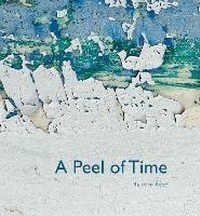
A Peel Of Time
Published on 22. February 2024
Book
Hardback
110 pages
978-1-917109-03-1 (ISBN)
Unfortunately, price unknown
Available (delivery time upon request)
Not available
Description
Through stunning imagery, this book delves into the interplay of time, nature, and human history, inviting readers to contemplate the passage of time and the enduring allure of weathered ships and boats in historic ports.
As paint ages, it undergoes a complex process of degradation, transforming from vibrant hues to a mosaic of textures and colors. This metamorphosis creates a captivating visual landscape that photographers are drawn to capture.
Initially, the paint's surface may crack and peel, revealing underlying layers and creating intricate patterns reminiscent of geological formations. These fissures and textures add depth and character to the subject, inviting viewers to explore the history embedded within each layer.
Over time, exposure to the elements further alters the paint's appearance, leading to fading, discoloration, and the formation of patina. This gradual decay imbues the surface with a sense of timelessness, as if each imperfection tells a story of the passage of time.
As the paint disintegrates, it creates a dynamic interplay of light and shadow, enhancing the visual interest of the scene. Sunlight filters through cracks and crevices, casting dramatic shadows and highlighting the intricate details of the decaying surface.
Photographers are drawn to this ever-evolving landscape, capturing the beauty found in decay. Through their lens, they immortalize fleeting moments, preserving the delicate balance between preservation and deterioration.
In documenting the disintegration of paint, photographers not only celebrate the aesthetic appeal of decay but also invite viewers to contemplate broader themes of impermanence, nostalgia, and the cyclical nature of existence. Each photograph becomes a meditation on the passage of time, reminding us of the beauty found in the ephemeral moments of life.
As paint ages, it undergoes a complex process of degradation, transforming from vibrant hues to a mosaic of textures and colors. This metamorphosis creates a captivating visual landscape that photographers are drawn to capture.
Initially, the paint's surface may crack and peel, revealing underlying layers and creating intricate patterns reminiscent of geological formations. These fissures and textures add depth and character to the subject, inviting viewers to explore the history embedded within each layer.
Over time, exposure to the elements further alters the paint's appearance, leading to fading, discoloration, and the formation of patina. This gradual decay imbues the surface with a sense of timelessness, as if each imperfection tells a story of the passage of time.
As the paint disintegrates, it creates a dynamic interplay of light and shadow, enhancing the visual interest of the scene. Sunlight filters through cracks and crevices, casting dramatic shadows and highlighting the intricate details of the decaying surface.
Photographers are drawn to this ever-evolving landscape, capturing the beauty found in decay. Through their lens, they immortalize fleeting moments, preserving the delicate balance between preservation and deterioration.
In documenting the disintegration of paint, photographers not only celebrate the aesthetic appeal of decay but also invite viewers to contemplate broader themes of impermanence, nostalgia, and the cyclical nature of existence. Each photograph becomes a meditation on the passage of time, reminding us of the beauty found in the ephemeral moments of life.
More details
Language
English
Place of publication
Portsmouth
United Kingdom
Target group
Professional and scholarly
Illustrations
60 colour photos
Dimensions
Height: 210 mm
Width: 210 mm
Thickness: 10 mm
ISBN-13
978-1-917109-03-1 (9781917109031)
Copyright in bibliographic data and cover images is held by Nielsen Book Services Limited or by the publishers or by their respective licensors: all rights reserved.
Schweitzer Classification