


Retrieving the Ancients
An Introduction to Greek Philosophy
Published on 7. May 2004
Book
Hardback
248 pages
978-1-4051-0861-4 (ISBN)
Description
Retrieving the Ancients tells the story of the first philosophers in the West.
A clear and engaging introduction to ancient Greek philosophy.
Tells the story of the first philosophers in the West, from Thales to Aristotle.
Has a strong sense of narrative drive.
Treats the history of ancient Greek philosophy dialectically, as a conversation in which each thinker responds to and moves beyond his predecessors.
Argues that the works of the ancients are as valuable today as ever.
A clear and engaging introduction to ancient Greek philosophy.
Tells the story of the first philosophers in the West, from Thales to Aristotle.
Has a strong sense of narrative drive.
Treats the history of ancient Greek philosophy dialectically, as a conversation in which each thinker responds to and moves beyond his predecessors.
Argues that the works of the ancients are as valuable today as ever.
Reviews / Votes
"Over and above this, the book succeeds in demonstrating the relevance of some of the most central Greek concerns to both current philosophy and the history of ideas in general." (Classical Review, 2007) "This is a jewel of a book... A must for everyone." (Journal of Classics Teaching)"The best written and most lucidly argued single volume survey of ancient Greek philosophy... a book that manages to be bothe philosophically sophisticated yet accessible to undergraduates" (Journal of Ancient Philosophy)
More details
Language
English
Place of publication
Hoboken
United Kingdom
Publishing group
John Wiley and Sons Ltd
Target group
Professional and scholarly
Dimensions
Height: 250 mm
Width: 200 mm
Thickness: 150 mm
Weight
510 gr
ISBN-13
978-1-4051-0861-4 (9781405108614)
Copyright in bibliographic data is held by Nielsen Book Services Limited or its licensors: all rights reserved.
Schweitzer Classification
Other editions
New editions
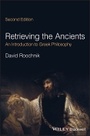
D Roochnik
Retrieving the Ancients - An Introduction to Greek Philosophy, 2nd Edition
An Introduction to Greek Philosophy
Book
03/2023
2nd Edition
Wiley-Blackwell
€44.51
Shipment within 15-20 days
Person
David Roochnik is Associate Professor of Philosophy at Boston University. His previous publications Of Art and Wisdom: Plato's Understanding of Techne (1996) and Beautiful City: The Dialectical Character of Plato's Republic (2003). In addition to his scholarly work in the field of ancient Greek philosophy, he has also published a short story and has recently completed a novel.
Content
Introduction. Two Reasons to Study Ancient Greek Philosophy.
The Organization and Strategy of This Book.
1: The Presocratics.
Preliminaries.
Before the Beginning: Hesiod.
The Ionian Philosophers of the Sixth Century.
a) The Beginning: Thales of Miletus.
b) The First Debate: Anaximander v. Anaximenes.
c) Sixth-Century Rationalism: Xenophanes and Pythagoras.
d) The Crisis of Sixth-Century Philosophy.
Heraclitus and Parmenides: Extreme Solutions.
a) Heraclitus: Lover of Flux.
b) Parmenides: Champion of Being.
Fifth-Century Elementalism.
a) Democritus: Atomic Theory.
b) Empedocles: Evolution.
c) Anaxagoras.
2: The Sophists and Socrates.
A New Beginning: The Sophists.
Protagoras.
Gorgias.
Socrates.
3: Plato.
Preliminaries.
Plato's Critique of the Presocratics.
Plato's Critique of the Sophists.
a) The "Self-Reference" Argument.
b) The Reductio ad Absurdum.
c) "What is it?".
d) "The Old Quarrel:" Philosophy v. Sophistry.
Recollection.
a) The Phaedo.
b) The Meno.
The Divided Line and the Form of the Good.
a) The Divided Line.
b) The Form of the Good.
Eros.
The Political Implications of the Forms.
4: Aristotle.
Preliminaries.
Aristotle's Conception of Nature.
a) "By Nature".
b) Form and Matter.
c) The Four Causes.
Aristotle's Psychology.
Teleological Ethics.
a) Moral Virtue.
b) Intellectual Virtue.
Natural Politics.
a) The Political Animal.
b) Best Life; Best City.
Conclusion.
References.
Index
The Organization and Strategy of This Book.
1: The Presocratics.
Preliminaries.
Before the Beginning: Hesiod.
The Ionian Philosophers of the Sixth Century.
a) The Beginning: Thales of Miletus.
b) The First Debate: Anaximander v. Anaximenes.
c) Sixth-Century Rationalism: Xenophanes and Pythagoras.
d) The Crisis of Sixth-Century Philosophy.
Heraclitus and Parmenides: Extreme Solutions.
a) Heraclitus: Lover of Flux.
b) Parmenides: Champion of Being.
Fifth-Century Elementalism.
a) Democritus: Atomic Theory.
b) Empedocles: Evolution.
c) Anaxagoras.
2: The Sophists and Socrates.
A New Beginning: The Sophists.
Protagoras.
Gorgias.
Socrates.
3: Plato.
Preliminaries.
Plato's Critique of the Presocratics.
Plato's Critique of the Sophists.
a) The "Self-Reference" Argument.
b) The Reductio ad Absurdum.
c) "What is it?".
d) "The Old Quarrel:" Philosophy v. Sophistry.
Recollection.
a) The Phaedo.
b) The Meno.
The Divided Line and the Form of the Good.
a) The Divided Line.
b) The Form of the Good.
Eros.
The Political Implications of the Forms.
4: Aristotle.
Preliminaries.
Aristotle's Conception of Nature.
a) "By Nature".
b) Form and Matter.
c) The Four Causes.
Aristotle's Psychology.
Teleological Ethics.
a) Moral Virtue.
b) Intellectual Virtue.
Natural Politics.
a) The Political Animal.
b) Best Life; Best City.
Conclusion.
References.
Index