

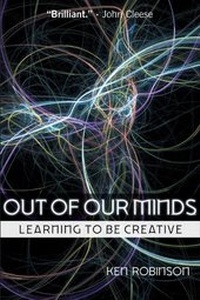
Out of our Minds
Learning to be Creative
1st Edition
Published on 5. April 2001
Book
Paperback/Softback
232 pages
978-1-84112-125-3 (ISBN)
Description
'Ken Robinson writes brilliantly about the different ways in which creativity is undervalued and ignored in Western culture and especially in our educational systems.' JOHN CLEESE
'Out of Our Minds explains why being creative in today's world is a vital necessity. This is a book not to be missed. Read and rejoice.' KEN BLANCHARD
'If ever there was a time when creativity was necessary for the survival and growth of any organization, it is now. This book, more than any other I know, provides important insights on how leaders can evoke and sustain those creative juices.' WARREN BENNIS
Reviews / Votes
"I shall add Ken Robinson's absorbing account of creativity to my personal list of gems. I was sorry to reach the end of the text, as it had maintained its momentum throughout. The reading may finish, but the thinking goes on, just as you would expect from a book on this intriguing subject." (Times Educational Supplement, 11th May 2001)"This is a thoughtful book. A truly mind-opening analysis of why we don't get the best of people in a time of punishing change." (The Director, June 2001)"This well-written book focuses on the widening gulf between academic institution teachings and the feelings, emotions and imagination that drive us as humans." (Arts Professional, 4th June 2001)"I recommend that you read the book, take part in the debate and become part of the new paradigm" (People Management, 12th July 2001)"this book will stimulate and challenge" (Professional Manager, September 2001)".a rattling, informal read, sparkling with ideas, jokes, anecdotes and ideas." (Music Teacher, December 2001) "I shall add Ken Robinson's absorbing account of creativity to my personal list of gems. I was sorry to reach the end of the text, as it had maintained its momentum throughout. The reading may finish, but the thinking goes on, just as you would expect from a book on this intriguing subject."(Times Educational Supplement, 11th May 2001)"This is a thoughtful book. A truly mind-opening analysis of why we don't get the best of people in a time of punishing change."(The Director, June 2001)"This well-written book focuses on the widening gulf between academic institution teachings and the feelings, emotions and imagination that drive us as humans."(Arts Professional, 4th June 2001)"I recommend that you read the book, take part in the debate and become part of the new paradigm"(People Management, 12th July 2001)"this book will stimulate and challenge"(Professional Manager, September 2001)".a rattling, informal read, sparkling with ideas, jokes, anecdotes and ideas."(Music Teacher, December 2001)More details
Other editions
New editions
Book
04/2026
4th Edition
Capstone Publishing Ltd
€25.00
Available immediately
Book
03/2011
2nd Edition
Capstone Publishing Ltd
€23.90
Article exhausted; check for reprint
Person
Dr Ken Robinson is a leading force in the development of creativity and human resources and an internationally recognised expert. His reputation is based on his own groundbreaking research and leadership in creativity, education and training. He is also in demand as an inspirational speaker with a unique talent for conveying a profoundly serious message with enormous humour, passion and wit. He speaks to audiences throughout the world on the changing needs of business, education and organisations in the new global economies. In 2000, he was voted Business Speaker of the Year by over 200 European companies.
Content
Introduction.
Bursting the Banks.
The Septic Focus.
Knowing Your Mind.
Being Creative.
Feeling Better.
Your Are Not Alone.
Balancing the Books.
Endnotes.
References.
Index.
About the Author.