

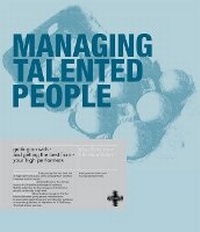
Managing Talented People
Getting on with - and getting the best from - your high performers
Published on 12. March 2003
Book
Paperback/Softback
224 pages
978-1-84304-024-8 (ISBN)
Description
Highly talented people have very different values and motivation from the majority of people. More is expected of them and they expect more in return. They are often
high-impact but high-maintenance too. They think differently (and faster). They get bored more readily. They need different kinds of challenges. They can deal with more complexity but are more complex in themselves. They get frustrated more readily and express themselves readily. They are a different kind of person - and they need a different kind of management.
The manager of a talented team needs to learn quickly how to spot and respond to talent, how to encourage it to grow, whilst gently directing its course. The manager of talent needs to be able to cope with the fact that certain members of the team may be in some respects brighter and more able than they are - and they need to be comfortable about that. The manager of a talented team needs to completely understand what role they play in the team's success and communicate that subtly but effectively. The manager must be respected and be the person that the talented individual is happy to be led by.
This is the book that explores what talent is, how to recognise it and how to deal with it on a day-by-day basis. "It is an easy-to-read text, written in a conversational style, refreshingly free from jargon and pomposity. Any managers who want to get the best from whatever talent exists in their teams would do well to read it."
People Management "Managing Talented People is worth a read. It explores important issues directly affecting the creative industry. .. Its structure is very easy to dip into - with clear headings, bullet-points and quotes - and has an easy-going style." Design Week
high-impact but high-maintenance too. They think differently (and faster). They get bored more readily. They need different kinds of challenges. They can deal with more complexity but are more complex in themselves. They get frustrated more readily and express themselves readily. They are a different kind of person - and they need a different kind of management.
The manager of a talented team needs to learn quickly how to spot and respond to talent, how to encourage it to grow, whilst gently directing its course. The manager of talent needs to be able to cope with the fact that certain members of the team may be in some respects brighter and more able than they are - and they need to be comfortable about that. The manager of a talented team needs to completely understand what role they play in the team's success and communicate that subtly but effectively. The manager must be respected and be the person that the talented individual is happy to be led by.
This is the book that explores what talent is, how to recognise it and how to deal with it on a day-by-day basis. "It is an easy-to-read text, written in a conversational style, refreshingly free from jargon and pomposity. Any managers who want to get the best from whatever talent exists in their teams would do well to read it."
People Management "Managing Talented People is worth a read. It explores important issues directly affecting the creative industry. .. Its structure is very easy to dip into - with clear headings, bullet-points and quotes - and has an easy-going style." Design Week
Reviews / Votes
"It is an easy-to-read text, written in a conversational style, refreshingly free from jargon and pomposity. Any managers who want to get the best from whatever talent exists in their teams would do well to read it."People Management magazine
"Managing Talented People is worth a read. It explores important issues directly affecting the creative industry. .. Its structure is very easy to dip into - with clear headings, bullet-points and quotes - and has an easy-going style."
Design Week
"...contains bullet points and definitions of terms, making it easy to absorb the information."
Supply Management
More details
Language
English
Place of publication
Harlow
United Kingdom
Publishing group
Pearson Education Limited
Target group
Professional and scholarly
Dimensions
Height: 209 mm
Width: 171 mm
Thickness: 16 mm
Weight
486 gr
ISBN-13
978-1-84304-024-8 (9781843040248)
Copyright in bibliographic data and cover images is held by Nielsen Book Services Limited or by the publishers or by their respective licensors: all rights reserved.
Schweitzer Classification
Persons
Alan Robertson is an independent management consultant and much of his work is concerned with personal coaching and helping people and organisations to get to grips with more challenging spaces. Graham Abbey is currently working for Easy Jet. His specialism is management and organisational development, but he has also held human resources, project management, sales and process re-engineering roles.
Content
Provisional Contents
1. What has been happening to our organisations recently?
2. What impact is this having on people?
3. How do you manage these people?
4. How does having talented people change a manager's role?
5. What does this all mean for you?
1. What has been happening to our organisations recently?
What are the macro forces at play?
Why is managing talented people such an issue now?
2. What impact is this having on people?
Proposition: if the talent wars are raging, we'd better be clear about what we are fighting for. Better recognise talent when we've got it in our teams and better make sure we manage it so we don't lose it.
What do we mean by talented?
Proposition: there is something that makes non-conformity or independent-mindedness an essential ingredient in our contemporary definition of talent.
Proposition: defining talent simply as above average performance doesn't get us very far.
By whose definition?
Different people may have different definitions?
In particular, the managers and the managed may have different definitions.
Is the label 'talent' purely subjective?
Or is there some pattern in how people define it?
Can there be an objective basis for calling someone 'talented'?
What synonyms are used for 'talent'?
Is the definition of talent essentially contextual, a function of time and place?
Different domains are likely to define talent differently
Are there some domains where the word talented tends not to be used?
When did you ever hear 'talented' applied to a clerk or administrator, secretary, labourer, taxi driver, tax officer...?
Are definitions of talent changing?
If so, how?
How has talent been defined through history? (Any off-beat definitions?)
Are there various discernible types of talent?
If so, what are the types and what do they consist of?
What are the common ingredients?
Is versatility an essential ingredient in talent?
Or speed of learning?
3. How do you manage these people?
Why are they difficult to manage?
Proposition: you've spent years empowering people; now you've got empowered/talented people, you've got a new set of challenges!
(PS This doesn't mean you shouldn't empower people!)
Proposition: talent can be double-edged: it's good to have talented people working for you, but they can be problematic to manage
Proposition: talented people tend to be highly motivated but what motivates them can sometimes be at odds with managerial/organisational priorities and requirements. Hence a tension to be managed.
What are talented people looking for from work (these days)?
What do they value? Respect? Freedom of action? What?
What values do they tend to hold?
What will they/won't they tolerate?
Any patterns here?
How do you motivate talented people?
Perhaps a better question is how do you ensure that you don't demotivate talent?
Do talented people tend to be highly motivated?
What are the problems of managing talented people?
Which are the most common/most typical problems?
Examples of the challenges of managing talented people from different domains would be interested; e.g. not just business organisations, but sport, education, science, entertainment...
What allowances get made for talented people?
With what effects?
What allowances should be made?
Is Belbin's idea of 'allowable weakness' more trouble than it's worth?
What can you do about it?
Manage expectations
Continue to develop their talent
Manage them on the move
Trust them
Talk to them
Get clued up
<
1. What has been happening to our organisations recently?
2. What impact is this having on people?
3. How do you manage these people?
4. How does having talented people change a manager's role?
5. What does this all mean for you?
1. What has been happening to our organisations recently?
What are the macro forces at play?
Why is managing talented people such an issue now?
2. What impact is this having on people?
Proposition: if the talent wars are raging, we'd better be clear about what we are fighting for. Better recognise talent when we've got it in our teams and better make sure we manage it so we don't lose it.
What do we mean by talented?
Proposition: there is something that makes non-conformity or independent-mindedness an essential ingredient in our contemporary definition of talent.
Proposition: defining talent simply as above average performance doesn't get us very far.
By whose definition?
Different people may have different definitions?
In particular, the managers and the managed may have different definitions.
Is the label 'talent' purely subjective?
Or is there some pattern in how people define it?
Can there be an objective basis for calling someone 'talented'?
What synonyms are used for 'talent'?
Is the definition of talent essentially contextual, a function of time and place?
Different domains are likely to define talent differently
Are there some domains where the word talented tends not to be used?
When did you ever hear 'talented' applied to a clerk or administrator, secretary, labourer, taxi driver, tax officer...?
Are definitions of talent changing?
If so, how?
How has talent been defined through history? (Any off-beat definitions?)
Are there various discernible types of talent?
If so, what are the types and what do they consist of?
What are the common ingredients?
Is versatility an essential ingredient in talent?
Or speed of learning?
3. How do you manage these people?
Why are they difficult to manage?
Proposition: you've spent years empowering people; now you've got empowered/talented people, you've got a new set of challenges!
(PS This doesn't mean you shouldn't empower people!)
Proposition: talent can be double-edged: it's good to have talented people working for you, but they can be problematic to manage
Proposition: talented people tend to be highly motivated but what motivates them can sometimes be at odds with managerial/organisational priorities and requirements. Hence a tension to be managed.
What are talented people looking for from work (these days)?
What do they value? Respect? Freedom of action? What?
What values do they tend to hold?
What will they/won't they tolerate?
Any patterns here?
How do you motivate talented people?
Perhaps a better question is how do you ensure that you don't demotivate talent?
Do talented people tend to be highly motivated?
What are the problems of managing talented people?
Which are the most common/most typical problems?
Examples of the challenges of managing talented people from different domains would be interested; e.g. not just business organisations, but sport, education, science, entertainment...
What allowances get made for talented people?
With what effects?
What allowances should be made?
Is Belbin's idea of 'allowable weakness' more trouble than it's worth?
What can you do about it?
Manage expectations
Continue to develop their talent
Manage them on the move
Trust them
Talk to them
Get clued up
<