

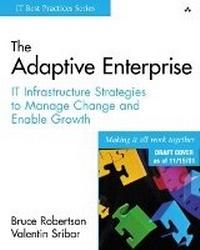
The Adaptive Enterprise
IT Infrastructure Strategies to Manage Change and Enable Growth
Published on 8. February 2002
Book
Hardback
320 pages
978-0-201-76736-0 (ISBN)
Description
The Adaptive Enterprise brings together powerful best-practice strategies for using today's loosely coupled, event-driven distributed e-Business technologies to manage change and enable growth. In conjunction with Intel's IT Best Practices Program, two leading consultants from the META Group show how to plan infrastructure that supports simpler and more cost-effective application development, deployment and integration. This end-to-end infrastructure planning guide gives IT practitioners practical techniques for "making everything work together." The book introduces a powerful five-step infrastructure planning process, covering platforms, patterns, and services. Learn how to transform IT infrastructure without disrupting existing applications and business functions; and rapidly address new challenges and opportunities as they arise. Identify key infrastructure patterns within your organization and derive reusable adaptive infrastructure services that improve reliability and performance while reducing time to market.
Part of the Intel Press IT Best Practices Series, focused on identifying and sharing best-practice strategies for delivering Internet-based solutions that meet key business challenges. For every IT decision-maker and implementer.
Part of the Intel Press IT Best Practices Series, focused on identifying and sharing best-practice strategies for delivering Internet-based solutions that meet key business challenges. For every IT decision-maker and implementer.
More details
Language
English
Place of publication
Boston
United States
Publishing group
Pearson Education (US)
Target group
College/higher education
Dimensions
Height: 242 mm
Width: 191 mm
Thickness: 19 mm
Weight
687 gr
ISBN-13
978-0-201-76736-0 (9780201767360)
Copyright in bibliographic data and cover images is held by Nielsen Book Services Limited or by the publishers or by their respective licensors: all rights reserved.
Schweitzer Classification
Other editions
New editions
B. Robertson | Valentin Sribar
The Adaptive Enterprise
IT Infrastructure Strategies to Manage Change and Enable Growth
Book
03/2004
Intel Press
€59.04
Article not available
Persons
BRUCE ROBERTSON leads META Group's infrastructure development program, working with clients to plan their e-Business and enterprise systems from a pattern perspective. His areas of technical specialization include directory and security services, networking, middleware, and e-Business infrastructure. Previously, he was a senior technology editor at Network Computing Magazine, a director of consulting for a Los Angeles technology consulting firm, and manager of an online services marketing joint venture.
VALENTIN SRIBAR is general manager of META Group's Infusion offerings, helping clients adapt their processes and organization to cope with any combination of dramatic business and technology changes. Previously, he was a senior consultant with the technology services practice of Ernst & Young, where he developed information technology architectures and networking designs.
0201767368AB12052001
VALENTIN SRIBAR is general manager of META Group's Infusion offerings, helping clients adapt their processes and organization to cope with any combination of dramatic business and technology changes. Previously, he was a senior consultant with the technology services practice of Ernst & Young, where he developed information technology architectures and networking designs.
0201767368AB12052001
Content
Preface
1. The Case for Adaptive Infrastructure
What is IT Infrastructure?
The Idea of Shared Infrastructure.
Creating Your Own Definitions.
Why Infrastructure (Suddenly) Matters.
The Clash of Cultures.
What's the Problem with Most Infrastructure?
What's the Solution?
The Philosophy of Adaptive Infrastructure.
Striking a Balance.
Key Organizing Principles.
Benefits of Adaptive Infrastructure.
Developing an Adaptive Range.
The Importance of Reusability.
Reusable Components.
Reuse and Adaptive Infrastructure.
Is Your Organization Ready?
Summary.
2. Laying the Foundation.
How To Catalog Technologies.
Getting Organized.
Building the Platform.
Physical Components.
The Network Layer.
The Storage Layer.
The Server Layer.
Functional Components.
The Database Layer.
The Integration Layer.
The Application Server Layer.
Interface Components.
The Presentation Layer.
The API Layer.
Is Anything Missing?
Other Components?
Other Layers?
Summary
3. Identifying and Using Patterns
What Are Patterns?
Designing for the Future.
Relating Patterns to Platforms.
Why So Few Patterns?
Asking Who, Where, and What?
The Starter Kit.
How Detailed Should It Get?
Transact Patterns.
The 1-Tier Transact Pattern.
The 2-Tier Transact Pattern.
The 3/N-Tier Transact Pattern.
Publish Patterns.
The Client/Server Publish Pattern.
The Web Publish Pattern.
The Stream Publish Pattern.
Collaborate Patterns.
The Real-Time Collaborate Pattern.
The Store-and-Forward Collaborate Pattern.
The Structured Collaborate Pattern.
Adapting Patterns For Your Organization
What Patterns Do I Need?
Extra Patterns Not Covered.
Subdividing Patterns.
Applying Multiple Patterns.
Creating an Infrastructure Portfolio.
What's in the Portfolio?
A Template for Standards.
Putting Applications into the Infrastructure Pattern Portfolio.
Summary.
4. Developing Adaptive Services.
Understanding Adaptive Services.
Benefits of Adaptive Infrastructure Services.
Examples of Shared Infrastructure Services.
The Difference Between Patterns and Services.
How To Develop Services.
Shifting Services to the Infrastructure.
Decoupling the Lifecycles.
Potential Ripple Effects.
The Role of APIs.
Service Interfaces and Service Level Agreements.
Where to Create Service Boundaries.
Design Guidelines.
How to Portfolio Existing Services.
How to Apply Services to New Applications.
Summary.
5. Services Starter Kit.
Identity Infrastructure.
Basic Components.
Designing Service Transparency.
Selling Use and Reuse to Your Customers.
Keys to Success and Reusability.
Determining Realistic Scale.
Policing the Directory Schema.
Avoiding Scope Creep.
Transactional Integration.
Defining the Business Problem (Use Cases).
Understanding the Costs.
Getting the Funds.
Calculating ROI.
Alternatives and Trends.
Other Common Services.
Network Service.
Presentation Services.
Security.
Integration.
Storage.
Summary.
6. Processes and Methods.
Understanding the Process.
What Types of Processes Are Needed?
Modeling the Process.
A More Detailed View.
Managing Per-Project Processes.
Assimilation Planning.
Designing Patterns.
Designing Services.
Managing Periodic Processes.
Assembling the Information.
Analyzing the Information.
Packaging and Communicating the Product.
Integrating Your Planning with IT Processes.
Useful Planning Methods.
Infrastructure Pattern Matching (IPM).
Predictive Cost Modeling (PCM).
Infrastructure Impact Assessment (IIA).
7. Packaging and People.
Packaging and Funding Infrastructure.
Dealing with Funding Challenges.
Thinking Like Your Clients.
Analyzing Complexity.
Preparing a Communication Plan.
The Customer Service Culture.
Value as the Critical Issue.
Packaging Models To Consider.
Mapping Categories to Stakeholders.
Speaking the Language of the CFO.
Getting It Right.
People: Roles, Skills, and Organizational Issues.
Strategic Versus Tactical Roles.
Key Infrastructure Planning Skills.
Finding the Correct Resources.
Planning the Planning Team.
Organizational Models.
Summary.
Appendix A: Component Catalog.
Index to Components.
Infra-API.
Inter-API.
Intra-API.
E-Mail MTA.
Integrated Voice Response (IVR).
Interactive TV.
Streaming Server.
Terminal Server.
Voice.
WAP Server.
Web Server.
Application Server.
Adapter Toolkit.
Application Adapter.
Computer Telephony Integration (CTI) Server.
Integration Server.
EDI Gateway.
File Exchange Server.
Integration Transport.
Middleware Encryption.
Inter-Enterprise Integration (IEI) Server.
Process Execution Engine.
Process Modeler.
Data Access Middleware.
Database Gateway.
DBMS.
Voice Messaging Store.
Application Server HA.
Application Server HW.
Application Server OS.
Database Server HA.
Database Server HW.
Database Server OS.
Integration Server HA.
Integration Server HW.
Integration Server OS.
File Server and Network-Attached Storage(NAS).
Web Server HA.
Web Server HW.
Web Server OS.
Business Continuance HW.
Business Continuance SW.
Host Interconnect.
Storage Area Network (SAN).
Storage Server.
Automatic Call Distributor (ACD).
Content Delivery Network (CDN).
Content Security.
Directory Server.
Extranet Service Provider (ESP).
Firewall.
Hosting Service.
Internet Access and Transport Service (ISP).
Intrusion Detection and Threat Management.
Network Load Balancer.
Network Pre-Routing (Voice).
Network Protocol and Address Management.
Proxy/Caching Server.
Public Key Infrastructure (PKI).
Service Level Management.
Smart Card.
SSL and Encryption HW.
Traffic Shaper.
Two-Factor Authentication Device.
VPN Device.
VPN Service.
WAN Access Device.
WAN Service.
Web SSO.
Wireless and Mobile Device.
Wireless Service.
Glossary.
Index. 0201767368T01242002
1. The Case for Adaptive Infrastructure
What is IT Infrastructure?
The Idea of Shared Infrastructure.
Creating Your Own Definitions.
Why Infrastructure (Suddenly) Matters.
The Clash of Cultures.
What's the Problem with Most Infrastructure?
What's the Solution?
The Philosophy of Adaptive Infrastructure.
Striking a Balance.
Key Organizing Principles.
Benefits of Adaptive Infrastructure.
Developing an Adaptive Range.
The Importance of Reusability.
Reusable Components.
Reuse and Adaptive Infrastructure.
Is Your Organization Ready?
Summary.
2. Laying the Foundation.
How To Catalog Technologies.
Getting Organized.
Building the Platform.
Physical Components.
The Network Layer.
The Storage Layer.
The Server Layer.
Functional Components.
The Database Layer.
The Integration Layer.
The Application Server Layer.
Interface Components.
The Presentation Layer.
The API Layer.
Is Anything Missing?
Other Components?
Other Layers?
Summary
3. Identifying and Using Patterns
What Are Patterns?
Designing for the Future.
Relating Patterns to Platforms.
Why So Few Patterns?
Asking Who, Where, and What?
The Starter Kit.
How Detailed Should It Get?
Transact Patterns.
The 1-Tier Transact Pattern.
The 2-Tier Transact Pattern.
The 3/N-Tier Transact Pattern.
Publish Patterns.
The Client/Server Publish Pattern.
The Web Publish Pattern.
The Stream Publish Pattern.
Collaborate Patterns.
The Real-Time Collaborate Pattern.
The Store-and-Forward Collaborate Pattern.
The Structured Collaborate Pattern.
Adapting Patterns For Your Organization
What Patterns Do I Need?
Extra Patterns Not Covered.
Subdividing Patterns.
Applying Multiple Patterns.
Creating an Infrastructure Portfolio.
What's in the Portfolio?
A Template for Standards.
Putting Applications into the Infrastructure Pattern Portfolio.
Summary.
4. Developing Adaptive Services.
Understanding Adaptive Services.
Benefits of Adaptive Infrastructure Services.
Examples of Shared Infrastructure Services.
The Difference Between Patterns and Services.
How To Develop Services.
Shifting Services to the Infrastructure.
Decoupling the Lifecycles.
Potential Ripple Effects.
The Role of APIs.
Service Interfaces and Service Level Agreements.
Where to Create Service Boundaries.
Design Guidelines.
How to Portfolio Existing Services.
How to Apply Services to New Applications.
Summary.
5. Services Starter Kit.
Identity Infrastructure.
Basic Components.
Designing Service Transparency.
Selling Use and Reuse to Your Customers.
Keys to Success and Reusability.
Determining Realistic Scale.
Policing the Directory Schema.
Avoiding Scope Creep.
Transactional Integration.
Defining the Business Problem (Use Cases).
Understanding the Costs.
Getting the Funds.
Calculating ROI.
Alternatives and Trends.
Other Common Services.
Network Service.
Presentation Services.
Security.
Integration.
Storage.
Summary.
6. Processes and Methods.
Understanding the Process.
What Types of Processes Are Needed?
Modeling the Process.
A More Detailed View.
Managing Per-Project Processes.
Assimilation Planning.
Designing Patterns.
Designing Services.
Managing Periodic Processes.
Assembling the Information.
Analyzing the Information.
Packaging and Communicating the Product.
Integrating Your Planning with IT Processes.
Useful Planning Methods.
Infrastructure Pattern Matching (IPM).
Predictive Cost Modeling (PCM).
Infrastructure Impact Assessment (IIA).
7. Packaging and People.
Packaging and Funding Infrastructure.
Dealing with Funding Challenges.
Thinking Like Your Clients.
Analyzing Complexity.
Preparing a Communication Plan.
The Customer Service Culture.
Value as the Critical Issue.
Packaging Models To Consider.
Mapping Categories to Stakeholders.
Speaking the Language of the CFO.
Getting It Right.
People: Roles, Skills, and Organizational Issues.
Strategic Versus Tactical Roles.
Key Infrastructure Planning Skills.
Finding the Correct Resources.
Planning the Planning Team.
Organizational Models.
Summary.
Appendix A: Component Catalog.
Index to Components.
Infra-API.
Inter-API.
Intra-API.
E-Mail MTA.
Integrated Voice Response (IVR).
Interactive TV.
Streaming Server.
Terminal Server.
Voice.
WAP Server.
Web Server.
Application Server.
Adapter Toolkit.
Application Adapter.
Computer Telephony Integration (CTI) Server.
Integration Server.
EDI Gateway.
File Exchange Server.
Integration Transport.
Middleware Encryption.
Inter-Enterprise Integration (IEI) Server.
Process Execution Engine.
Process Modeler.
Data Access Middleware.
Database Gateway.
DBMS.
Voice Messaging Store.
Application Server HA.
Application Server HW.
Application Server OS.
Database Server HA.
Database Server HW.
Database Server OS.
Integration Server HA.
Integration Server HW.
Integration Server OS.
File Server and Network-Attached Storage(NAS).
Web Server HA.
Web Server HW.
Web Server OS.
Business Continuance HW.
Business Continuance SW.
Host Interconnect.
Storage Area Network (SAN).
Storage Server.
Automatic Call Distributor (ACD).
Content Delivery Network (CDN).
Content Security.
Directory Server.
Extranet Service Provider (ESP).
Firewall.
Hosting Service.
Internet Access and Transport Service (ISP).
Intrusion Detection and Threat Management.
Network Load Balancer.
Network Pre-Routing (Voice).
Network Protocol and Address Management.
Proxy/Caching Server.
Public Key Infrastructure (PKI).
Service Level Management.
Smart Card.
SSL and Encryption HW.
Traffic Shaper.
Two-Factor Authentication Device.
VPN Device.
VPN Service.
WAN Access Device.
WAN Service.
Web SSO.
Wireless and Mobile Device.
Wireless Service.
Glossary.
Index. 0201767368T01242002