

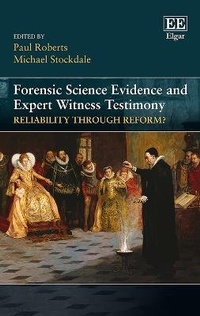
Forensic Science Evidence and Expert Witness Testimony
Reliability through Reform?
Published on 30. November 2018
Book
Hardback
456 pages
978-1-78811-102-7 (ISBN)
Description
This book discusses the intense practical and theoretical challenges of forensic science evidence and the pivotal role it plays in modern criminal proceedings. A global team of prominent scholars and practitioners explores the contemporary challenges of forensic science evidence and expert witness testimony from a variety of theoretical, practical and jurisdictional perspectives.
Both the methodological integrity and the reliability of forensic science have been questioned in recent official reports and inquiries. The wide-ranging contributions to this book offer thorough and far-reaching explorations of the institutional organisation of forensic science, its epistemological and methodological foundations, and its procedural regulation, applications and evaluation in jurisdictions across Europe and beyond. The development and reform of expert evidence law and procedural regulation are reconsidered from a range of legal and scientific perspectives. Brimming with comparative and interdisciplinary insight, this book also explores the transnational dimensions of contemporary forensic science, assessing its value and appropriate uses as expert evidence in criminal investigations, prosecutions and trials.
This contemporary book will be essential reading for scholars, advanced students, practitioners and policymakers concerned with the role of forensic science in the administration of criminal justice.
Contributors include: S. Carr, E. Cunliffe, G. Edmond, S. Farrar, A. Gallop, R. Graham, L. Heffernan, E.J. Imwinkelried, A. Jackson, A.C. McCartney, M.M. Muhamad, E. Piasecki, P. Roberts, M. Stockdale, G. Tully, J. Vuille, T. Ward, T.J. Wilson
Both the methodological integrity and the reliability of forensic science have been questioned in recent official reports and inquiries. The wide-ranging contributions to this book offer thorough and far-reaching explorations of the institutional organisation of forensic science, its epistemological and methodological foundations, and its procedural regulation, applications and evaluation in jurisdictions across Europe and beyond. The development and reform of expert evidence law and procedural regulation are reconsidered from a range of legal and scientific perspectives. Brimming with comparative and interdisciplinary insight, this book also explores the transnational dimensions of contemporary forensic science, assessing its value and appropriate uses as expert evidence in criminal investigations, prosecutions and trials.
This contemporary book will be essential reading for scholars, advanced students, practitioners and policymakers concerned with the role of forensic science in the administration of criminal justice.
Contributors include: S. Carr, E. Cunliffe, G. Edmond, S. Farrar, A. Gallop, R. Graham, L. Heffernan, E.J. Imwinkelried, A. Jackson, A.C. McCartney, M.M. Muhamad, E. Piasecki, P. Roberts, M. Stockdale, G. Tully, J. Vuille, T. Ward, T.J. Wilson
Reviews / Votes
'As courts struggle to assimilate scientific evidence, so scientists struggle to justify its reliability. These excellent essays written by lawyers, scientists and regulators canvass the institutional responses to these struggles in various adversarial and non-adversarial jurisdictions, vividly providing up-to-date, critical and valuable insights into the myriad of problems faced.'--Andrew Ligertwood, The University of Adelaide, Australia'Such is the importance of scientific evidence in criminal trials and civil suits that this edited collection should be required reading for law practitioners and expert witnesses alike. Significant and thought-provoking insights are offered in each of the 13 chapters, with contributions from forensic scientists and legal scholars.'
--Pamela Ferguson, University of Dundee, UK
More details
Language
English
Place of publication
Cheltenham
United Kingdom
Target group
Professional and scholarly
Dimensions
Height: 234 mm
Width: 156 mm
ISBN-13
978-1-78811-102-7 (9781788111027)
Copyright in bibliographic data and cover images is held by Nielsen Book Services Limited or by the publishers or by their respective licensors: all rights reserved.
Schweitzer Classification
Persons
Edited by Paul Roberts, Professor of Criminal Jurisprudence, University of Nottingham and Michael Stockdale, Professor, Head of Law and Director of the Northumbria Centre for Evidence and Criminal Justice Studies, Northumbria University, Newcastle, UK
Content
Contents:
Introduction: Forensic Science, Evidential Reliability and Institutional Reform
Paul Roberts and Michael Stockdale
1. Making Sense of Forensic Science Evidence
Paul Roberts
2. Re-assessing Reliability
Gary Edmond
3. Admissibility, Reliability and Common Law Epistemology
Tony Ward
4. Regulating Forensic Science
Gillian Tully
5. Clarifying the 'Reliability' Continuum and Testing its Limits: Biometric (Fingerprint and DNA) Expert Evidence
Sophie Carr, Angela Gallop, Emma Piasecki, Gillian Tully, and Tim J Wilson
6. Re-examining the 'Reliability' of Forensic Pathology Evidence
Tim J Wilson, Adam Jackson, Angela Gallop and Emma Piasecki
7. Reliability by Procedural Rule Reform? Expert Evidence and the Civil-Criminal-Family Procedure Rules Trichotomy
Michael Stockdale
8. Expert Evidence Law Reform in Ireland
Liz Heffernan
9. Regulating Expert Evidence in US Courts: Measuring Daubert's Legacy
Edward J Imwinkelried
10. A New Canadian Paradigm? Judicial Gatekeeping and the Reliability of Expert Evidence
Emma Cunliffe
11. Reliability and Reform of Expert Evidence in Malaysia's Developmental State: Putting the Cart before the Horse?
Salim Farrar and Mohd Munzil Bin Muhamad
12. Forensic Science Evidence in Non-adversary Criminal Justice Systems
Joelle Vuille
13. 'All We Need to Know'? Questioning Transnational Scientific Evidence
Carole McCartney and Rick Graham
Index
Introduction: Forensic Science, Evidential Reliability and Institutional Reform
Paul Roberts and Michael Stockdale
1. Making Sense of Forensic Science Evidence
Paul Roberts
2. Re-assessing Reliability
Gary Edmond
3. Admissibility, Reliability and Common Law Epistemology
Tony Ward
4. Regulating Forensic Science
Gillian Tully
5. Clarifying the 'Reliability' Continuum and Testing its Limits: Biometric (Fingerprint and DNA) Expert Evidence
Sophie Carr, Angela Gallop, Emma Piasecki, Gillian Tully, and Tim J Wilson
6. Re-examining the 'Reliability' of Forensic Pathology Evidence
Tim J Wilson, Adam Jackson, Angela Gallop and Emma Piasecki
7. Reliability by Procedural Rule Reform? Expert Evidence and the Civil-Criminal-Family Procedure Rules Trichotomy
Michael Stockdale
8. Expert Evidence Law Reform in Ireland
Liz Heffernan
9. Regulating Expert Evidence in US Courts: Measuring Daubert's Legacy
Edward J Imwinkelried
10. A New Canadian Paradigm? Judicial Gatekeeping and the Reliability of Expert Evidence
Emma Cunliffe
11. Reliability and Reform of Expert Evidence in Malaysia's Developmental State: Putting the Cart before the Horse?
Salim Farrar and Mohd Munzil Bin Muhamad
12. Forensic Science Evidence in Non-adversary Criminal Justice Systems
Joelle Vuille
13. 'All We Need to Know'? Questioning Transnational Scientific Evidence
Carole McCartney and Rick Graham
Index