

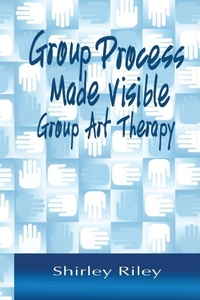
Group Process Made Visible
The Use of Art in Group Therapy
1st Edition
Published on 11. September 2014
Book
Paperback/Softback
296 pages
978-1-138-01189-2 (ISBN)
Description
This book introduces the reader to the approach and general philosophy of the use of art as an additional language in group therapy. It demonstrates the usefulness of the language of art in enabling group therapists and their clients to understand group members' perceptions of constructs and realities.
Reviews / Votes
"[This book] demonstrates the usefulness of the language of art in enabling group therapists and their clients to understand group members' perceptions of constructs and realities. . . .the approach encourages a cooperative focus that leans toward a contemporary theory suitable for today's mental world." -- Family Therapy: TheJournal of the California Graduate School of FamilyPsychologyMore details
Language
English
Place of publication
London
United Kingdom
Publishing group
Taylor & Francis Ltd
Target group
College/higher education
Dimensions
Height: 229 mm
Width: 152 mm
Thickness: 16 mm
Weight
435 gr
ISBN-13
978-1-138-01189-2 (9781138011892)
Copyright in bibliographic data and cover images is held by Nielsen Book Services Limited or by the publishers or by their respective licensors: all rights reserved.
Schweitzer Classification
Other editions
Additional editions
E-Book
05/2013
1st Edition
Routledge
€69.99
Available for download
E-Book
05/2013
1st Edition
Routledge
€69.99
Available for download
Book
05/2001
1st Edition
Brunner-Routledge
€194.20
Shipment within 3-4 weeks
Person
Shirley Riley
Content
Forward (by Shaun McNiff). Introduction: Philosophy and Approaches. Group Process Made Visible. Group Therapy with Burn Injured Youngsters. Art as an Instrument for Creating Social Reciprocity: Social Skills for Autistic Children. Adolescent Group Treatment. Advantage of the Language of Art in a Cognitive/Behavioral Group with Behavior Disordered Boys. Translating the Theory of Expressive Art to Interns and Staff in an Early Childhood Program. Group in a Psychiatric Hospital or Day Treatment Programs: Art as an Entree into Unfamiliar Realities. Working with the Elderly Population with a Serious Loss of Cognition. Complimentary Use of Art, Movement, and Verbal Therapies within an Eating Disorders Program. A Women's Group Created around a Theme of Bereavement. Group for Therapists Dealing with Secondary Post Traumatic Stress Syndrome Induced by Art Products of Severely Abused Clients. Some Final Thoughts