


The Fog of Peace
The Human Face of Conflict Resolution
Published on 7. April 2017
Book
Hardback
290 pages
978-1-78076-897-7 (ISBN)
Description
Institutions do not decide whom to destroy or to kill, whether to make peace or war; those decisions are the responsibility of individuals. This book argues that the most important aspect of conflict resolution is for antagonists to understand their opponents as individuals, their ambitions, their pains, the resentments that condition their thinking and the traumas they do not fully themselves grasp. Gabrielle Rifkind and Giandomenico Pico here present two very different experiences of international relations - Rifkind as a psychotherapist now immersed in the politics of the Middle East, and Picco as a career diplomat with a long and successful record as a negotiator at the UN. Should we talk to the enemy? What happens if the protagonists are nasty and brutish, tempting policy-makers to retaliate? How do nations find the capacity not to hit back, trapping themselves in endless cycles of violence?Presenting a unique combination of psychological theories, geopolitical realities and first-hand peace-making experience, this book sheds new light on some of the worst conflicts in the modern world and demonstrates, above all, how empathy can often be far more persuasive than the most fearsome weapons.
By exploring the question of intervention versus non-intervention, and examining how the changing nature of warfare and technology has both armed the warmonger, whilst empowering the individual through social media, this is a highly topical, comprehensive overview on international diplomacy and the complexities of peace-making.
By exploring the question of intervention versus non-intervention, and examining how the changing nature of warfare and technology has both armed the warmonger, whilst empowering the individual through social media, this is a highly topical, comprehensive overview on international diplomacy and the complexities of peace-making.
Reviews / Votes
"The Fog of Peace reflects a wealth of reflections by two experienced, enlightened and well read participants and actors in peacemaking and conflict resolution. It is a thrilling and stimulating reading for all interested in the resolution of conflicts of international relevance. It is a rare effort to put the spotlight on the negotiators and on the need for more psychological insight." -Hans Blix, former Director-General of the International Atomic Energy Agency, Head of UN Iraq inspections 2002 -2003.' "From the fog of war and the tangle of international diplomacy to the fog of the human mind and the tangle of the soul - two contrasting approaches to conflict resolution come together intriguingly. This is their remarkable account." Jon Snow, Newscaster for Channel 4 News "Fascinating, revelatory and insightful, The Fog of Peace is a remarkable book. The combined product of an experienced diplomat and a shrewd practicing therapist, it is based on real life encounters rather than tired theory and worn-out politics. As a result, it captures the human emotions that underlie all conflicts and powerfully displays that the solutions to war lie in truly understanding 'the other' and unpicking the enmities that run so deep. Baroness Helena Kennedy QCMore details
Language
English
Place of publication
United Kingdom
Publishing group
Bloomsbury Publishing PLC
Target group
College/higher education
Dimensions
Height: 222 mm
Width: 145 mm
Thickness: 19 mm
Weight
499 gr
ISBN-13
978-1-78076-897-7 (9781780768977)
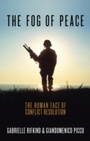
Copyright in bibliographic data and cover images is held by Nielsen Book Services Limited or by the publishers or by their respective licensors: all rights reserved.
Schweitzer Classification
Other editions
Additional editions
E-Book
12/2013
I.B. Tauris
€60.99
Available for download
E-Book
12/2013
1st Edition
I.B. Tauris
€60.99
Available for download
Persons
Gabrielle Rifkind is the Director of the Middle East programme at Oxford Research Group. She is a group analyst and specialist in conflict resolution immersed in the politics of the Middle East. Rifkind combines in-depth political and psychological expertise with many years' experience in promoting serious analysis and discreet dialogues with groups behind the scenes. Giandomenico Picco served for over two decades as a UN official. Among his work, he led the UN efforts which brought about the release of many of the Western hostages from Lebanon and the agreement which ended the Iran Iraq war. He has been a consultant in the private sector as Chairman of GDP Associates, a USA based company. He has published articles and co-authored books on matters related to the larger Middle East, among other subjects.
Content
Contents
Preface
Introduction
The Inhuman Face of Peacemaking
PRACTICE NOT THEORY
A so-called diplomat's story by Gianni Picco
A personal story
Life lessons applied: freeing hostages in Lebanon
Finding the Iranian national narrative: The need for historical justice
The narrative of the Hezbollah hostage takers
Negotiating the end of the Iran-Iraq War
The Afghan - Soviet War
?Institutions empowering individuals
The Therapist's story by Gabrielle Rifkind
Personal story
A practical catalyst
Focusing on the Middle East
A long term ceasefire: a period without violence
Vague heading? So what do we learn? ?Understanding human motivation
THE PSYCHOLOGY OF CONFLICT
No Politics without Psychology
How psychology shapes the politics
Collective memory and how we shape narrative
The Cultural Mind
Empathy
Incentivizing people to change
Are we changing for the better?
Why change is so difficult
Israel: From ?cap TTrauma to where?
Do we have to have a crisis to change?? in text it's Does there have to be a crisis to change? which?
A military mindset
The link between trauma and mistrust in politics
The Taliban mind
The Taliban mind - a look beyond the headlines
Sacred values and insecurity?
My God is right, yours is wrong
Political Islam
Hamas in government
Politically inclusive spaces
Iran: getting into the mind of the enemy
The nuclear discourse in the Islamic Republic
US and Iran: 33 years of mistrust
12 Successful Negotiations With Iran
Negotiating With Iran - A Personal Account
A negotiator's lens
The geo-political landscape
ARE WE BETTER AT FIGHTING WARS THAN FIGHTING FOR PEACE?
The Changing Nature of Warfare
The new wars
?Cyberwar
Killing at a distance - drone warfare
The industrial military complex
Non violent action
Alternatives to war: do we need to get smarter?
A wider lens: through other people's eyes
?No thorough strategic planning ? The dangers of planning without strategy
Syria: early intervention of the third kind
shorter and sweeter sub heading type heading requiredWas violence inevitable in Syria? Would early intervention have made a difference?
A commando team of mediators
NEW STRUCTURES /OLD STRUCTURES
Beyond the Nation State: Do We Still Need an Enemy?
A Technological revolution
Beyond the nation state
Empowerment of the individual via new social technology
A different kind of identity
A look into the future
Speed versus heft: Qatar
From Multilateralism to ?lc OKminilateralism
The genie of more local identity
?The European experiment[Separation of identity from governance and territory]
THE HUMAN FACE OF PEACEMAKING
The Art of Negotiations
The antithesis of peacemaking?
?The Northern Ireland peace process: creative ambiguity
Oslo: the human face of peace-making
[Reflections on the "effectiveness" of negotiations]
The politics of self awareness
[Emotions that induced negative reactions]
[Emotions that induce positive behaviour]
?Living without hatred
How we create our identity
Finding the national Narrative
History as narrative
Living without an enemy
Afterwards? Afterword: Peacemaking is Foggy
Bibliography
Index
Preface
Introduction
The Inhuman Face of Peacemaking
PRACTICE NOT THEORY
A so-called diplomat's story by Gianni Picco
A personal story
Life lessons applied: freeing hostages in Lebanon
Finding the Iranian national narrative: The need for historical justice
The narrative of the Hezbollah hostage takers
Negotiating the end of the Iran-Iraq War
The Afghan - Soviet War
?Institutions empowering individuals
The Therapist's story by Gabrielle Rifkind
Personal story
A practical catalyst
Focusing on the Middle East
A long term ceasefire: a period without violence
Vague heading? So what do we learn? ?Understanding human motivation
THE PSYCHOLOGY OF CONFLICT
No Politics without Psychology
How psychology shapes the politics
Collective memory and how we shape narrative
The Cultural Mind
Empathy
Incentivizing people to change
Are we changing for the better?
Why change is so difficult
Israel: From ?cap TTrauma to where?
Do we have to have a crisis to change?? in text it's Does there have to be a crisis to change? which?
A military mindset
The link between trauma and mistrust in politics
The Taliban mind
The Taliban mind - a look beyond the headlines
Sacred values and insecurity?
My God is right, yours is wrong
Political Islam
Hamas in government
Politically inclusive spaces
Iran: getting into the mind of the enemy
The nuclear discourse in the Islamic Republic
US and Iran: 33 years of mistrust
12 Successful Negotiations With Iran
Negotiating With Iran - A Personal Account
A negotiator's lens
The geo-political landscape
ARE WE BETTER AT FIGHTING WARS THAN FIGHTING FOR PEACE?
The Changing Nature of Warfare
The new wars
?Cyberwar
Killing at a distance - drone warfare
The industrial military complex
Non violent action
Alternatives to war: do we need to get smarter?
A wider lens: through other people's eyes
?No thorough strategic planning ? The dangers of planning without strategy
Syria: early intervention of the third kind
shorter and sweeter sub heading type heading requiredWas violence inevitable in Syria? Would early intervention have made a difference?
A commando team of mediators
NEW STRUCTURES /OLD STRUCTURES
Beyond the Nation State: Do We Still Need an Enemy?
A Technological revolution
Beyond the nation state
Empowerment of the individual via new social technology
A different kind of identity
A look into the future
Speed versus heft: Qatar
From Multilateralism to ?lc OKminilateralism
The genie of more local identity
?The European experiment[Separation of identity from governance and territory]
THE HUMAN FACE OF PEACEMAKING
The Art of Negotiations
The antithesis of peacemaking?
?The Northern Ireland peace process: creative ambiguity
Oslo: the human face of peace-making
[Reflections on the "effectiveness" of negotiations]
The politics of self awareness
[Emotions that induced negative reactions]
[Emotions that induce positive behaviour]
?Living without hatred
How we create our identity
Finding the national Narrative
History as narrative
Living without an enemy
Afterwards? Afterword: Peacemaking is Foggy
Bibliography
Index