

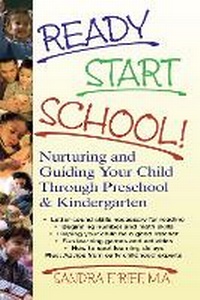
Ready Start School!
Nurturing and Guiding Your Child Through Preschool & Kindergarten
Published on 1. September 2001
Book
Paperback/Softback
256 pages
978-0-7352-0299-3 (ISBN)
Description
Ready to meet your child's first teacher? Then look in the mirror and say "hello!"
The parent is a child's first and most important teacher. The mere interaction of parent and child - from cooing and playing to cuddling up and reading a nursery rhyme to tackling the everyday challenges of walking, talking, and tying shoes - is the warm-up for what is formally known as school.
Drawing upon her experiences as a teacher and a mother, Sandra Rief shows parents how to stimulate and encourage learning in reading and writing, language and communication, thinking and reasoning, plus promote good social and emotional behaviors and improve gross and fine motor skills. This practical, easy-to-understand guide is designed to help boosts a child's performance in school and increase the opportunities for success in life.
Included are many strategies, learning games, and activities that are enjoyable as well as educationally sound for:
? Building letter-sound skills necessary for reading
? Developing emergent and beginning writing skills
? Introducing numbers and math skills
? Helping your child be a good listener
? Encouraging your child's problem-solving and social skills
The parent is a child's first and most important teacher. The mere interaction of parent and child - from cooing and playing to cuddling up and reading a nursery rhyme to tackling the everyday challenges of walking, talking, and tying shoes - is the warm-up for what is formally known as school.
Drawing upon her experiences as a teacher and a mother, Sandra Rief shows parents how to stimulate and encourage learning in reading and writing, language and communication, thinking and reasoning, plus promote good social and emotional behaviors and improve gross and fine motor skills. This practical, easy-to-understand guide is designed to help boosts a child's performance in school and increase the opportunities for success in life.
Included are many strategies, learning games, and activities that are enjoyable as well as educationally sound for:
? Building letter-sound skills necessary for reading
? Developing emergent and beginning writing skills
? Introducing numbers and math skills
? Helping your child be a good listener
? Encouraging your child's problem-solving and social skills
More details
Language
English
Place of publication
Harlow
United Kingdom
Publishing group
Pearson Education Limited
Product notice
Paperback (trade)
Dimensions
Height: 229 mm
Width: 152 mm
Thickness: 15 mm
Weight
281 gr
ISBN-13
978-0-7352-0299-3 (9780735202993)
Copyright in bibliographic data and cover images is held by Nielsen Book Services Limited or by the publishers or by their respective licensors: all rights reserved.
Schweitzer Classification
Content
IntroductionThe Critical Role of Parents in Their Child's Education
Part 1: What Parents Need to Know About Their 3- to 5-Year-Olds
Developmental Milestones of 3- to 5-Year-Olds
Enrolling Your Child in Kindergarten or Waiting Another Year
What Are General Kindergarten Readiness Skills?
What Schools Expect of Kindergarteners by the End of the School Year
Part 2: Creating a Learning Environment Where Children Feel Confident
The Most Important Gifts You Can Give Your Young Child
Creating a Home Environment That Encourages Success
Building Your Child's Confidence and Self-Esteem
Protecting and Influencing Your Impressionable Young Child
What Are Learning Styles?
Recognizing and Nurturing Your Child's Strengths and Interests
The Importance of Music, Art, and Movement/Dance Activities
Developmentally Appropriate Games, Books, Songs, Manipulatives, and Other Activities/Resources
Valuable Resources for Parents (Note: Includes web sites)
Part 3: Advice on Social, Behavioral, and Discipline Issues
Communicating So Your Child Will Listen Better and Pay Attention
How to Prepare Your Child for the Social and Behavioral Expectations of School
Effective Behavioral Strategies and Positive Discipline Practices
Developing Your Child's Problem-Solving Skills and Ability to Get Along with Others
Preventing Behavioral Problems at Home and Other Places
Tips for Parenting Challenging Children
Part 4: Everything a Parent Needs to Know on How Children Learn to Read
Language and Literacy: The Building Blocks of School Success
What Is Phonemic and Phonological Awareness?
Playing with Sounds and Language
Helping Your Child Learn the Alphabet
What Research Says About Preventing Reading Difficulties
What to Expect in the Emergent and Beginning Levels of Reading Development
Getting Them Off to a Good Start: Strategies for Developing Emergent and Beginning Reading Skills
What Good Readers Do - Positive Reading Behaviors
The Importance of Read-Alouds and Shared Reading: Strategies for Reading to and with Your Child
Building Vocabulary and Comprehension Skills
How to Ask Questions That Guide Your Child in Developing Good Reading Habits and Thinking Skills
Beginning Phonics, Word Recognition, and Word Study Skills
Part 5: Getting Your Child Organized and Ready for Writing, Math, and Homework
What to Expect in the Emergent and Beginning Levels of Writing Development
Getting Them Off to a Good Start: Strategies for Developing Emergent and Beginning Writing Skills
Strategies for Building Fine Motor and Prewriting/Writing Skills
Beginning Number and Mathematical Concepts
Helping Your Child Develop Critical Math Skills and Concepts
Beginning Time Awareness and Organizational Skills
The Value and Purpose of Homework
Part 6: What to Do If You Suspect Your Child Has a Developmental Delay or Disability
Children with Learning Disabilities, Attention Deficit Disorders, and Other Special Needs
When You Are Concerned About Your Child's Development
Working with Your Child's School: A Team Approach
Part 7: What the Experts Say
Advice for Parents from Interviews with Preschool and Kindergarten Teachers and Directors
Additional Resources by the Author
Index
Part 1: What Parents Need to Know About Their 3- to 5-Year-Olds
Developmental Milestones of 3- to 5-Year-Olds
Enrolling Your Child in Kindergarten or Waiting Another Year
What Are General Kindergarten Readiness Skills?
What Schools Expect of Kindergarteners by the End of the School Year
Part 2: Creating a Learning Environment Where Children Feel Confident
The Most Important Gifts You Can Give Your Young Child
Creating a Home Environment That Encourages Success
Building Your Child's Confidence and Self-Esteem
Protecting and Influencing Your Impressionable Young Child
What Are Learning Styles?
Recognizing and Nurturing Your Child's Strengths and Interests
The Importance of Music, Art, and Movement/Dance Activities
Developmentally Appropriate Games, Books, Songs, Manipulatives, and Other Activities/Resources
Valuable Resources for Parents (Note: Includes web sites)
Part 3: Advice on Social, Behavioral, and Discipline Issues
Communicating So Your Child Will Listen Better and Pay Attention
How to Prepare Your Child for the Social and Behavioral Expectations of School
Effective Behavioral Strategies and Positive Discipline Practices
Developing Your Child's Problem-Solving Skills and Ability to Get Along with Others
Preventing Behavioral Problems at Home and Other Places
Tips for Parenting Challenging Children
Part 4: Everything a Parent Needs to Know on How Children Learn to Read
Language and Literacy: The Building Blocks of School Success
What Is Phonemic and Phonological Awareness?
Playing with Sounds and Language
Helping Your Child Learn the Alphabet
What Research Says About Preventing Reading Difficulties
What to Expect in the Emergent and Beginning Levels of Reading Development
Getting Them Off to a Good Start: Strategies for Developing Emergent and Beginning Reading Skills
What Good Readers Do - Positive Reading Behaviors
The Importance of Read-Alouds and Shared Reading: Strategies for Reading to and with Your Child
Building Vocabulary and Comprehension Skills
How to Ask Questions That Guide Your Child in Developing Good Reading Habits and Thinking Skills
Beginning Phonics, Word Recognition, and Word Study Skills
Part 5: Getting Your Child Organized and Ready for Writing, Math, and Homework
What to Expect in the Emergent and Beginning Levels of Writing Development
Getting Them Off to a Good Start: Strategies for Developing Emergent and Beginning Writing Skills
Strategies for Building Fine Motor and Prewriting/Writing Skills
Beginning Number and Mathematical Concepts
Helping Your Child Develop Critical Math Skills and Concepts
Beginning Time Awareness and Organizational Skills
The Value and Purpose of Homework
Part 6: What to Do If You Suspect Your Child Has a Developmental Delay or Disability
Children with Learning Disabilities, Attention Deficit Disorders, and Other Special Needs
When You Are Concerned About Your Child's Development
Working with Your Child's School: A Team Approach
Part 7: What the Experts Say
Advice for Parents from Interviews with Preschool and Kindergarten Teachers and Directors
Additional Resources by the Author
Index