

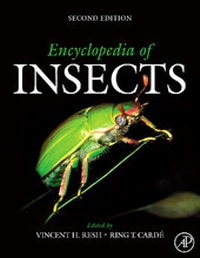
Encyclopedia of Insects
2nd Edition
Published on 22. July 2009
Book
Hardback
1168 pages
978-0-12-374144-8 (ISBN)
Description
Awarded Best Reference by the New York Public Library (2004), Outstanding Academic Title by CHOICE (2003), and AAP/PSP 2003 Best Single Volume Reference/Sciences by Association of American Publishers' Professional Scholarly Publishing Division, the first edition of Encyclopedia of Insects was acclaimed as the most comprehensive work devoted to insects. Covering all aspects of insect anatomy, physiology, evolution, behavior, reproduction, ecology, and disease, as well as issues of exploitation, conservation, and management, this book sets the standard in entomology.
The second edition of this reference will continue the tradition by providing the most comprehensive, useful, and up-to-date resource for professionals. Expanded sections in forensic entomology, biotechnology and Drosphila, reflect the full update of over 300 topics. Articles contributed by over 260 high profile and internationally recognized entomologists provide definitive facts regarding all insects from ants, beetles, and butterflies to yellow jackets, zoraptera, and zygentoma.
The second edition of this reference will continue the tradition by providing the most comprehensive, useful, and up-to-date resource for professionals. Expanded sections in forensic entomology, biotechnology and Drosphila, reflect the full update of over 300 topics. Articles contributed by over 260 high profile and internationally recognized entomologists provide definitive facts regarding all insects from ants, beetles, and butterflies to yellow jackets, zoraptera, and zygentoma.
Reviews / Votes
2009 CHOICE Outstanding Academic TitleMore details
Edition
2nd edition
Language
English
Place of publication
San Diego
United States
Publishing group
Elsevier Science Publishing Co Inc
Target group
College/higher education
Professional and scholarly
Primary: All researchers involved in entomology; research libraries; amateur entomologists and exotic pet enthusiasts
Secondary: pest management officers, field scientists, plant biologists, soil biologists, ecologists, parasitologists, agronomists, agricultural engineers
Tertiary: Field museums, natural history museums, science museums, national parks, US Department of Agriculture, botanical societies, horticultural societies
Dimensions
Height: 276 mm
Width: 216 mm
Weight
3370 gr
ISBN-13
978-0-12-374144-8 (9780123741448)
Copyright in bibliographic data and cover images is held by Nielsen Book Services Limited or by the publishers or by their respective licensors: all rights reserved.
Schweitzer Classification
Other editions
Additional editions
Vincent H. Resh | Ring T. Cardé
Encyclopedia of Insects
E-Book
07/2009
2nd Edition
Academic Press
€96.95
Available for download
Previous edition
Vincent H. Resh | Ring T. Carde
Encyclopedia of Insects
Book
04/2003
Academic Press
€95.32
Article exhausted; check for reprint
Persons
Content
285 subjects from 265 contributorsAccessory Glands; Aestivation; Agricultural Entomology; Amber; Anatomy: Head, Thorax, Abdomen and Genitalia; Antennae; Ants; Aphids; Apis Species; Aposematic Coloration; Apterygota; Aquatic Habitats; Archaeognatha; Arthropoda and related groups;Auchenorrhyncha; Autohemorrhage; Autonomy; Bedbugs;Beekeeping; Bee Products; Beeswax; Biodiversity; Biogenic Amines; Biogeographical Patterns; Biological Control of Insect Pests; Bioluminescence; Biotechnology and Insects; Blattodea; Blood Sucking; Body Size; Boll Weevil; Bombyx mori; Borers; Brain and Optic Lobes; Bubonic Plague; Caste; Caterpillars; Cat Fleas; Cave Insects; Cell Culture; Chemical Defense; Chemoreception;Chiggers and Other Disease-Causing Mites; Chitin; Chromosomes
Chrysalis; Cicadas; Circadian Rhythms; Circulatory System; Cocoon; Codling Moth;Coevolution; Cold/Heat Protection; Coleoptera; Collection and Preservation; Collembola; Colonies; Colorado Potato Beetle; Coloration; Commercial Products from Insects; Conservation; Crickets; Crypsis; Cultural Entomology; Cuticle; Daddy-Long-Legs; Dance Language; DDT; Defensive Behavior; Delusory Parasitosis; Dengue; Dermaptera; Development, Hormonal Control; Diapause; Digestion; Digestive System; Diplura; Diptera; Division of Labor in Insect Societies; Dog Heartworm; Dormancy; Drosophila melanogaster; Dung Beetles; Ecdysteroids; Eggs; Egg Coverings; Ekbom Syndrome; Embiidina; Embryogenesis; Endangered Insects; Endopterygota; Entomological Societies; Ephemeroptera; Excretion; Exopterygota; Exoskeleton; Extension Entomology; Vail; Eyes and Vision; Fat Body; Feeding Behavior; Fire Ants; Flight; Folk Beliefs and Superstitions; Food, Insects as; Forensic Entomology; Forest Habitats; Fossil Record; Genetically Modified Plants; Genetic Engineering; Genetic Variation;Grassland Habitats; Greenhouse Gases, Global Warming, and Insects; Growth Individual; Grylloblattodea; Gypsy Moth; Hearing; Hemolymph; Hibernation; History of Entomology; Homeostasis Behavioral; Honey; Honeydew; Host Seeking, by Parasitoids; Host Seeking, for Plants; House Fly; Human history, Insects Effect on; Hymenoptera; Hypermetamorphosis; Hyperparasitism; Imaginal Discs; Immunology; Industrial Melanism; Insecta, Overview; Insect Genomics; Insecticide and Acaricide Resistance; Insecticides; Insectivorous Plants; Insectivorous Vertebrates; Insect Zoos; Integrated Pest Management; Integument; Introduced Insects; Island Biogeography and Evolution; Isoptera; Japanese Beetle; June Beetles; Juvenile Hormones; Ladybugs; Larva; Learning; Legs; Lepidoptera; Lice, Human; Locusts;Magnetic Sense; Malaria; Mantodea; Mantophasmatodea; Marine Insects; Mating Behaviors; Mechanoreception; Mecoptera; Medical Entomology; Medicine, Insects in; Megaloptera; Metabolism; Metamorphosis; Migration; Mimicry; Mites; Molting; Monarchs; Mosquitoes; Mouthparts; Movies, Insects in; Muscle System; Museums and Display Collections; Neosomy; Netropical African Bees;Nest Building; Neuropeptides; Neuroptera; Nomenclature and Classification, Principles of; Nutrition; Ocelli and Stemmata; Odonata; Orientation; Orthoptera; Ovarioles; Oviposition Behavior; Parasitoids; Parental Care; Parthenogenesis; Pathogens of Insects; Phasmida; Pheromones; Phoresy; Photography of Insects; Phthiraptera; Phylogeny of Insects; Physical Control of Insect Pests; Phytophagous Insects; Phytotoxemia; Plant Diseases and Insects; Plant-Insect Interactions; Plecoptera; Pollination and Pollinators; Pollution, Insect Response to; Polyembryony; Population Ecology; Predation/Predatory Insects; Prosorrhyncha; Protura; Psocoptera; Pterygota; Puddling Behavior; Pupa and Puparium; Raphidioptera; Rearing of Insects; Recruitment Communication; Regulatory Entomology; Reproduction, Female; Reproduction, Female: Hormonal Control of; Reproduction, Male; Reproduction, Male: Hormonal Control of; Research Tools, Insects as; Respiratory System; River Blindness; Royal Jelly; Salivary Glands; Scales and Setae; Scorpions; Segmentation; Sericulture; Sex Determination; Sexual Selection; Silk Production; Siphonaptera; Sociality; Soil HabitatsSpermatheca; Spermatophore; Spiders; Stamps, Insects and; Sterile Insect Technique; Sternorrhyncha; Stored Products as Habitats; Strepsiptera; Swimming, Lake Insects; Swimming, Stream Insects; Symbionts Aiding Digestion; Symbionts, Bacterial; Teaching Resources; Temperature, Effects on Development and Growth; Thermoregulation; Thysanoptera; Ticks; Tracheal System; Trichoptera; Tsetse Fly; Urban Habitats;Venom; Veterinary Entomology; Vibrational Communication; Vinegaroons; Vitellogenesis; Walking and Jumping;Wasps; Water and Ion Balance, Hormonal Control of; Wings; Wolbachia; Yellow Fever; Zoonoses, Arthopod-Borne; Zoraptera; Zygentoma
Chrysalis; Cicadas; Circadian Rhythms; Circulatory System; Cocoon; Codling Moth;Coevolution; Cold/Heat Protection; Coleoptera; Collection and Preservation; Collembola; Colonies; Colorado Potato Beetle; Coloration; Commercial Products from Insects; Conservation; Crickets; Crypsis; Cultural Entomology; Cuticle; Daddy-Long-Legs; Dance Language; DDT; Defensive Behavior; Delusory Parasitosis; Dengue; Dermaptera; Development, Hormonal Control; Diapause; Digestion; Digestive System; Diplura; Diptera; Division of Labor in Insect Societies; Dog Heartworm; Dormancy; Drosophila melanogaster; Dung Beetles; Ecdysteroids; Eggs; Egg Coverings; Ekbom Syndrome; Embiidina; Embryogenesis; Endangered Insects; Endopterygota; Entomological Societies; Ephemeroptera; Excretion; Exopterygota; Exoskeleton; Extension Entomology; Vail; Eyes and Vision; Fat Body; Feeding Behavior; Fire Ants; Flight; Folk Beliefs and Superstitions; Food, Insects as; Forensic Entomology; Forest Habitats; Fossil Record; Genetically Modified Plants; Genetic Engineering; Genetic Variation;Grassland Habitats; Greenhouse Gases, Global Warming, and Insects; Growth Individual; Grylloblattodea; Gypsy Moth; Hearing; Hemolymph; Hibernation; History of Entomology; Homeostasis Behavioral; Honey; Honeydew; Host Seeking, by Parasitoids; Host Seeking, for Plants; House Fly; Human history, Insects Effect on; Hymenoptera; Hypermetamorphosis; Hyperparasitism; Imaginal Discs; Immunology; Industrial Melanism; Insecta, Overview; Insect Genomics; Insecticide and Acaricide Resistance; Insecticides; Insectivorous Plants; Insectivorous Vertebrates; Insect Zoos; Integrated Pest Management; Integument; Introduced Insects; Island Biogeography and Evolution; Isoptera; Japanese Beetle; June Beetles; Juvenile Hormones; Ladybugs; Larva; Learning; Legs; Lepidoptera; Lice, Human; Locusts;Magnetic Sense; Malaria; Mantodea; Mantophasmatodea; Marine Insects; Mating Behaviors; Mechanoreception; Mecoptera; Medical Entomology; Medicine, Insects in; Megaloptera; Metabolism; Metamorphosis; Migration; Mimicry; Mites; Molting; Monarchs; Mosquitoes; Mouthparts; Movies, Insects in; Muscle System; Museums and Display Collections; Neosomy; Netropical African Bees;Nest Building; Neuropeptides; Neuroptera; Nomenclature and Classification, Principles of; Nutrition; Ocelli and Stemmata; Odonata; Orientation; Orthoptera; Ovarioles; Oviposition Behavior; Parasitoids; Parental Care; Parthenogenesis; Pathogens of Insects; Phasmida; Pheromones; Phoresy; Photography of Insects; Phthiraptera; Phylogeny of Insects; Physical Control of Insect Pests; Phytophagous Insects; Phytotoxemia; Plant Diseases and Insects; Plant-Insect Interactions; Plecoptera; Pollination and Pollinators; Pollution, Insect Response to; Polyembryony; Population Ecology; Predation/Predatory Insects; Prosorrhyncha; Protura; Psocoptera; Pterygota; Puddling Behavior; Pupa and Puparium; Raphidioptera; Rearing of Insects; Recruitment Communication; Regulatory Entomology; Reproduction, Female; Reproduction, Female: Hormonal Control of; Reproduction, Male; Reproduction, Male: Hormonal Control of; Research Tools, Insects as; Respiratory System; River Blindness; Royal Jelly; Salivary Glands; Scales and Setae; Scorpions; Segmentation; Sericulture; Sex Determination; Sexual Selection; Silk Production; Siphonaptera; Sociality; Soil HabitatsSpermatheca; Spermatophore; Spiders; Stamps, Insects and; Sterile Insect Technique; Sternorrhyncha; Stored Products as Habitats; Strepsiptera; Swimming, Lake Insects; Swimming, Stream Insects; Symbionts Aiding Digestion; Symbionts, Bacterial; Teaching Resources; Temperature, Effects on Development and Growth; Thermoregulation; Thysanoptera; Ticks; Tracheal System; Trichoptera; Tsetse Fly; Urban Habitats;Venom; Veterinary Entomology; Vibrational Communication; Vinegaroons; Vitellogenesis; Walking and Jumping;Wasps; Water and Ion Balance, Hormonal Control of; Wings; Wolbachia; Yellow Fever; Zoonoses, Arthopod-Borne; Zoraptera; Zygentoma