

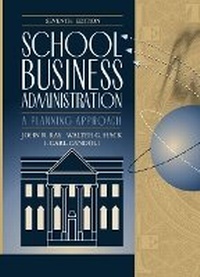
School Business Administration
A Planning Approach
7th Edition
Published on 1. March 2002
Book
Hardback
406 pages
978-0-205-32199-5 (ISBN)
Description
School Business Administration develops a rationale for how school business administration functions and describes that function in current practice.
This text contends that the function of school business administration is to contribute to instructional effectiveness by assisting key decision-makers in using financial resources in order to maximize the achievement of educational goals. It views school business administration as a collaborative enterprise and takes a positive, proactive approach to the contemporary problems and issues facing education today. Throughout, the book describes and applies new management concepts to school business administration and continually links concepts to practice using "real world" examples.
This text contends that the function of school business administration is to contribute to instructional effectiveness by assisting key decision-makers in using financial resources in order to maximize the achievement of educational goals. It views school business administration as a collaborative enterprise and takes a positive, proactive approach to the contemporary problems and issues facing education today. Throughout, the book describes and applies new management concepts to school business administration and continually links concepts to practice using "real world" examples.
More details
Edition
7th edition
Language
English
Place of publication
United States
Publishing group
Pearson Education (US)
Target group
Professional and scholarly
Dimensions
Height: 235 mm
Width: 178 mm
Weight
776 gr
ISBN-13
978-0-205-32199-5 (9780205321995)
Copyright in bibliographic data and cover images is held by Nielsen Book Services Limited or by the publishers or by their respective licensors: all rights reserved.
Schweitzer Classification
Other editions
New editions
Book
12/2004
8th Edition
Pearson
€93.03
Article is exhausted; no reprint
Content
All chapters conclude with "Summary," "Suggested Activities," "Suggested Readings," and "Notes."
Preface.
1.School Business Administration: Context, Function, Practice, and Process.
The Evolving Context.
The Organizational Context of the Administrative Team.
Conceptualizing a School Business Administration Function.
Emerging Challenges to School Business Administration.
Planning as Strategy and Process.
An Alternative View of Educational Planning.
2.A Legislative and Judicial Context for School Business Administration.
Legislative-Judicial Origins of School Business Administration.
Legislative and Judicial Concepts Useful in School Business Administration.
Compliance Responsibilities and Practices.
3.The Revenue and Fiscal Context.
Taxation.
Planning for Local Revenues.
The Interactive Nature of State-Local Funding.
Planning for State Revenues.
4.A Management Concept.
The Nature of Management Concepts.
Private versus Public Sector Management.
School Business Administration as a Subset of Generic Management.
Management Applications.
5.An Information Systems Context.
The Linguistics of Information Systems.
Role and Scope of Information Flow as Related to Data-Based Management - MIS Concept.
Unique Role of the Business Administrator.
Effect on Staff/Administrators/Faculty.
Selection Process.
Utilization.
Types of Equipment.
The Future of Educational Data Processing.
6.Strategic Planning and Budgeting.
The Statutory Bases for School System Budgeting.
Concepts of Budgeting.
Concepts of Budgeting More Suited to Present and Future Educational Systems.
Site-Based Budgeting.
Evolution of the Planning, Programming, Budgeting, Evaluation System.
Zero-Based Budgeting.
Concepts of Budget Development.
The Budget Process.
7.Accounting, Auditing, and Reporting.
School Accounting.
School Fund Accounting and Operation.
School Accounting in Contemporary Practice.
Auditing.
Reporting.
8.Personnel and Payroll Administration.
Challenges of Personnel Administration.
Personnel Planning and Recruitment.
Orientation, Training, Development, and Motivation.
Personnel Supervision.
Professional Negotiations.
Personnel Budgeting.
9.Purchasing and Distribution.
Purchasing.
Legal Aspects of Purchasing.
Inventory Control.
Educational Material en Route - Distribution.
Evaluation of Purchasing, Inventory, and Distribution Systems.
10.Maintenance and Operation.
Maintenance.
Plant Operation.
11.Capital Asset Planning and Management.
Comprehensive Strategic Planning.
Procurement of Furniture and Equipment.
Orientation and Training Programs.
Additional Planning Considerations.
12.Cash Management.
The Nature of Cash for Investment.
Cash Flow.
Investment Considerations.
Debt Management.
13.Risk Management and Insurance.
The Role of Insurance.
Planning Insurance Acquisition.
Insurance Contracts.
Types of Insurance Options.
Alternative Financing for Risk Management.
Insurance Records, Maintenance, and Protection.
Personnel and Contractor Concerns of Risk Management.
Vehicle Insurance.
Occupational Safety and Health Act.
14.Auxiliary Services.
Transportation Services.
Food Services.
Security Services.
Other Auxiliary Services.
15.School Business Administration Perspectives.
Fiscal and Economic Perspectives.
The Centralization/Decentralization Dichotomy.
Site-Based Management.
Personal Skills for School Business Administrators.
Glossary.
Index.
Preface.
1.School Business Administration: Context, Function, Practice, and Process.
The Evolving Context.
The Organizational Context of the Administrative Team.
Conceptualizing a School Business Administration Function.
Emerging Challenges to School Business Administration.
Planning as Strategy and Process.
An Alternative View of Educational Planning.
2.A Legislative and Judicial Context for School Business Administration.
Legislative-Judicial Origins of School Business Administration.
Legislative and Judicial Concepts Useful in School Business Administration.
Compliance Responsibilities and Practices.
3.The Revenue and Fiscal Context.
Taxation.
Planning for Local Revenues.
The Interactive Nature of State-Local Funding.
Planning for State Revenues.
4.A Management Concept.
The Nature of Management Concepts.
Private versus Public Sector Management.
School Business Administration as a Subset of Generic Management.
Management Applications.
5.An Information Systems Context.
The Linguistics of Information Systems.
Role and Scope of Information Flow as Related to Data-Based Management - MIS Concept.
Unique Role of the Business Administrator.
Effect on Staff/Administrators/Faculty.
Selection Process.
Utilization.
Types of Equipment.
The Future of Educational Data Processing.
6.Strategic Planning and Budgeting.
The Statutory Bases for School System Budgeting.
Concepts of Budgeting.
Concepts of Budgeting More Suited to Present and Future Educational Systems.
Site-Based Budgeting.
Evolution of the Planning, Programming, Budgeting, Evaluation System.
Zero-Based Budgeting.
Concepts of Budget Development.
The Budget Process.
7.Accounting, Auditing, and Reporting.
School Accounting.
School Fund Accounting and Operation.
School Accounting in Contemporary Practice.
Auditing.
Reporting.
8.Personnel and Payroll Administration.
Challenges of Personnel Administration.
Personnel Planning and Recruitment.
Orientation, Training, Development, and Motivation.
Personnel Supervision.
Professional Negotiations.
Personnel Budgeting.
9.Purchasing and Distribution.
Purchasing.
Legal Aspects of Purchasing.
Inventory Control.
Educational Material en Route - Distribution.
Evaluation of Purchasing, Inventory, and Distribution Systems.
10.Maintenance and Operation.
Maintenance.
Plant Operation.
11.Capital Asset Planning and Management.
Comprehensive Strategic Planning.
Procurement of Furniture and Equipment.
Orientation and Training Programs.
Additional Planning Considerations.
12.Cash Management.
The Nature of Cash for Investment.
Cash Flow.
Investment Considerations.
Debt Management.
13.Risk Management and Insurance.
The Role of Insurance.
Planning Insurance Acquisition.
Insurance Contracts.
Types of Insurance Options.
Alternative Financing for Risk Management.
Insurance Records, Maintenance, and Protection.
Personnel and Contractor Concerns of Risk Management.
Vehicle Insurance.
Occupational Safety and Health Act.
14.Auxiliary Services.
Transportation Services.
Food Services.
Security Services.
Other Auxiliary Services.
15.School Business Administration Perspectives.
Fiscal and Economic Perspectives.
The Centralization/Decentralization Dichotomy.
Site-Based Management.
Personal Skills for School Business Administrators.
Glossary.
Index.