

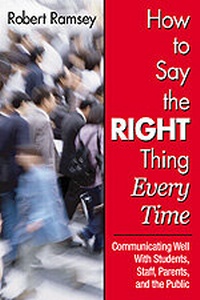
How to Say the Right Thing Every Time
Communicating Well With Students, Staff, Parents, and the Public
1st Edition
Published on 18. September 2002
Book
Paperback/Softback
248 pages
978-0-7619-4501-7 (ISBN)
Description
Filled with time-tested techniques and relevant examples, this user-friendly guide empowers teachers with the confidence and tools necessary to communicate effectively, efficiently, and honestly in all situations. The author uses clear-cut language, to-the-point insights, and pertinent advice, reflecting the many suggestions found within the book.
Key features include:
- Specific ways to avoid the 20 most common communication barriers
- Proven how-to's, do's and don'ts for talking with students, erything from giving clear instructions and praise to discussing drugs and death
- Guidelines for successful parent-teacher conferences, plus tips for breaking bad news and dealing with angry adults
- Strategies for effective public speaking and handling performance reviews, job interviews, media interviews, and special ceremonies
- Tactics for powerful written and other nonverbal communications.
This engaging resource inspires and instructs practitioners to deliver audience-appropriate, meaningful messages to promote positive student interaction, as well as foster understanding and support from parents, peers, and the public.
Key features include:
- Specific ways to avoid the 20 most common communication barriers
- Proven how-to's, do's and don'ts for talking with students, erything from giving clear instructions and praise to discussing drugs and death
- Guidelines for successful parent-teacher conferences, plus tips for breaking bad news and dealing with angry adults
- Strategies for effective public speaking and handling performance reviews, job interviews, media interviews, and special ceremonies
- Tactics for powerful written and other nonverbal communications.
This engaging resource inspires and instructs practitioners to deliver audience-appropriate, meaningful messages to promote positive student interaction, as well as foster understanding and support from parents, peers, and the public.
More details
Language
English
Place of publication
Thousand Oaks
United States
Publishing group
SAGE Publications Inc
Target group
Professional and scholarly
Dimensions
Height: 229 mm
Width: 152 mm
Weight
348 gr
ISBN-13
978-0-7619-4501-7 (9780761945017)
Copyright in bibliographic data and cover images is held by Nielsen Book Services Limited or by the publishers or by their respective licensors: all rights reserved.
Schweitzer Classification
Other editions
New editions
Robert D. Ramsey
How to Say the Right Thing Every Time
Communicating Well With Students, Staff, Parents, and the Public
Book
08/2008
2nd Edition
Corwin Press Inc
€41.40
Shipment within 10-20 days
Person
Robert D. Ramsey is a lifelong educator who has served as a "leader of leaders" in three award-winning school districts in two different states. His frontline experience includes positions a teacher, counselor, assistant principal, curriculum director, assistant superintendent, acting superintendent, and adjunct professor. Most recently, he has served as associate superintendent in the St. Louis Park (MN) schools, where every school has been designated by the federal government as a National School of Excellence. Ramsey is now working full-time as a freelance writer in Minneapolis.
Content
Introduction
Acknowledgments
About the Author
1. The Twenty Biggest Communication Mistakes School Leaders Make and How to Avoid Them
The Top Twenty Reasons Educators Fail to Communicate
The Jargon Trap
Euphemisms Feel Good But Don't Send a Clear Message
Too Much Political Correctness Can Send Wimpy Messages
How Straight Talk Can Make You Into a Better School Leader
When the Right Thing to Say Is "Nothing"
More "Must-Do" Tips for Always Saying the Right Thing
2. How to Say the Right Thing to Students
Ten Guidelines for Communicating With Students
Straight Talk Is the Language of Choice With Kids
How to Talk to Young Children on Their Level
How to Talk to Today's Teenagers
Differences in Talking to Boys and Girls
Another Dozen Do's and Don'ts for Saying the Right Thing to Kids of All Ages
How to Give Clear Directions and Instructions Every Time
Socrates Had It Right: How to Ask Effective Questions
How to Give Students "Pep Talks" That Really Work
How to Give Authentic Praise
How to Help Kids Talk Themselves Into Success
Rhetroric-Free Reprimands
Dealing With Touchy Topics (Alcohol, Drugs, Sex, Eating Disorders, and Other At-Risk Behaviors)
How to Talk to Kids About Death and Dying
How to Talk to Tough Kids (Including Gang Members)
How to Talk to Kids About School Violence
3. How to Say the Right Thing to Parents
What to Say to Put Parents at Ease
Success Secrets for Communicating "Must-Know" Information
Straight Talk at Parent-Teacher Conferences
How to Explain Grades and Test Scores
How to Share Good News With Parents
How to Break Bad News (Failure, Retention, Disciplinary Action, Athletic Ineligibility)
Don't Beat Around the Bush About Bad Behavior
How to Talk to Parents About Student Secrets, Surprises, and Other Sensitive Subjects (Dependency, Pregnancy, Homosexuality)
What to Say to Angry, Out-of-Control Parents and Other Adults
More Pointers for Saying the Right Thing to Parents
4. How to Say the Right Thing to Peers and Colleagues
Successful Job Interviews: How to Ask the Right Questions and Give the Right Answers
How to Ask for and Offer Help to Peers and Colleagues
How to Give Advice
The Language of Coaching and Mentoring
How to Argue and Win
The Proper Art of Bitching: How to Complain About the System and the People in It
How to Criticize a Colleague Without Losing a Friend
What to Say and Not Say When Giving References and Recommendations
What to Say and How to Say It in Performance Reviews
How to Pay Tribute to a Colleague
How to Say the Right Thing to the Central Office
5. How to Say the Right Thing to the General Public and the Media
Smooth Schmoozing: How to Make Small Talk
How to Sway Opinion and Persuade Nonbelievers
How to Handle Complaints From the Public
How to Make the Most of Good News
Truth in Taxation
How to Ask for Money
"Houston, We Have a Problem": What to Say When Trouble Strikes
How to Apologize and Admit Mistakes to the Public
Spin-Doctoring for Amateurs
Dealing With the Media: What to Say to Reporters
Do's and Don'ts of Public Speaking for School Leaders
6. How to Say the Right Thing in Special Situations
Secrets of Successful Ceremonial Greetings
How to Give and Receive Compliments
How to Show Appreciation and Say "Thank You"
How to Say "No" and Make It Stick
Tips on Testifying
Advice for Leading Prayers, Giving Invocations, and Pronouncing Benedictions
What to Say to Someone Who Is Not Going to Get Well
How to Express Sympathy
How to Give a Eulogy
7. How to Say the Right Thing in Writing
Writing Is Different--Or Is It?
A No-Nonsense Writing Clinic for School Leaders
Interoffice Memos: The Good, the Bad, and the Ugly
Cyber Straight Talk: Making the Most of Electronic Messages
Real-World Report Writing
How to Say the Right Thing in Business Letters
Correct Forms of Address for Letters to Special Public Figures
How to Write Straight-to-the-Point Press Releases and News Items
Writing for Publication
8. How to Say the Right Thing With Gestures and Body Language
How the "Silent Language" Speaks Volumes
Avoid Sending Mixed Messages
Understanding the Vocabulary of Body Language
Using the Power of Gestures
Stay Out of Trouble: Avoid the Pitfalls of Different Meanings for Different Groups
Smile, You Really Are on Candid Camera
A Final Word
Resource A: 101 Ways to Be a Better Communicator Starting Tomorrow Morning
Resource B: What Others Say About Communication: Quips, Quotes, and Anecdotes
Resource C: Read More About It: Bibliography and References
Resource D: Self-Affirmations: How to Say the Right Thing to Yourself
Acknowledgments
About the Author
1. The Twenty Biggest Communication Mistakes School Leaders Make and How to Avoid Them
The Top Twenty Reasons Educators Fail to Communicate
The Jargon Trap
Euphemisms Feel Good But Don't Send a Clear Message
Too Much Political Correctness Can Send Wimpy Messages
How Straight Talk Can Make You Into a Better School Leader
When the Right Thing to Say Is "Nothing"
More "Must-Do" Tips for Always Saying the Right Thing
2. How to Say the Right Thing to Students
Ten Guidelines for Communicating With Students
Straight Talk Is the Language of Choice With Kids
How to Talk to Young Children on Their Level
How to Talk to Today's Teenagers
Differences in Talking to Boys and Girls
Another Dozen Do's and Don'ts for Saying the Right Thing to Kids of All Ages
How to Give Clear Directions and Instructions Every Time
Socrates Had It Right: How to Ask Effective Questions
How to Give Students "Pep Talks" That Really Work
How to Give Authentic Praise
How to Help Kids Talk Themselves Into Success
Rhetroric-Free Reprimands
Dealing With Touchy Topics (Alcohol, Drugs, Sex, Eating Disorders, and Other At-Risk Behaviors)
How to Talk to Kids About Death and Dying
How to Talk to Tough Kids (Including Gang Members)
How to Talk to Kids About School Violence
3. How to Say the Right Thing to Parents
What to Say to Put Parents at Ease
Success Secrets for Communicating "Must-Know" Information
Straight Talk at Parent-Teacher Conferences
How to Explain Grades and Test Scores
How to Share Good News With Parents
How to Break Bad News (Failure, Retention, Disciplinary Action, Athletic Ineligibility)
Don't Beat Around the Bush About Bad Behavior
How to Talk to Parents About Student Secrets, Surprises, and Other Sensitive Subjects (Dependency, Pregnancy, Homosexuality)
What to Say to Angry, Out-of-Control Parents and Other Adults
More Pointers for Saying the Right Thing to Parents
4. How to Say the Right Thing to Peers and Colleagues
Successful Job Interviews: How to Ask the Right Questions and Give the Right Answers
How to Ask for and Offer Help to Peers and Colleagues
How to Give Advice
The Language of Coaching and Mentoring
How to Argue and Win
The Proper Art of Bitching: How to Complain About the System and the People in It
How to Criticize a Colleague Without Losing a Friend
What to Say and Not Say When Giving References and Recommendations
What to Say and How to Say It in Performance Reviews
How to Pay Tribute to a Colleague
How to Say the Right Thing to the Central Office
5. How to Say the Right Thing to the General Public and the Media
Smooth Schmoozing: How to Make Small Talk
How to Sway Opinion and Persuade Nonbelievers
How to Handle Complaints From the Public
How to Make the Most of Good News
Truth in Taxation
How to Ask for Money
"Houston, We Have a Problem": What to Say When Trouble Strikes
How to Apologize and Admit Mistakes to the Public
Spin-Doctoring for Amateurs
Dealing With the Media: What to Say to Reporters
Do's and Don'ts of Public Speaking for School Leaders
6. How to Say the Right Thing in Special Situations
Secrets of Successful Ceremonial Greetings
How to Give and Receive Compliments
How to Show Appreciation and Say "Thank You"
How to Say "No" and Make It Stick
Tips on Testifying
Advice for Leading Prayers, Giving Invocations, and Pronouncing Benedictions
What to Say to Someone Who Is Not Going to Get Well
How to Express Sympathy
How to Give a Eulogy
7. How to Say the Right Thing in Writing
Writing Is Different--Or Is It?
A No-Nonsense Writing Clinic for School Leaders
Interoffice Memos: The Good, the Bad, and the Ugly
Cyber Straight Talk: Making the Most of Electronic Messages
Real-World Report Writing
How to Say the Right Thing in Business Letters
Correct Forms of Address for Letters to Special Public Figures
How to Write Straight-to-the-Point Press Releases and News Items
Writing for Publication
8. How to Say the Right Thing With Gestures and Body Language
How the "Silent Language" Speaks Volumes
Avoid Sending Mixed Messages
Understanding the Vocabulary of Body Language
Using the Power of Gestures
Stay Out of Trouble: Avoid the Pitfalls of Different Meanings for Different Groups
Smile, You Really Are on Candid Camera
A Final Word
Resource A: 101 Ways to Be a Better Communicator Starting Tomorrow Morning
Resource B: What Others Say About Communication: Quips, Quotes, and Anecdotes
Resource C: Read More About It: Bibliography and References
Resource D: Self-Affirmations: How to Say the Right Thing to Yourself