

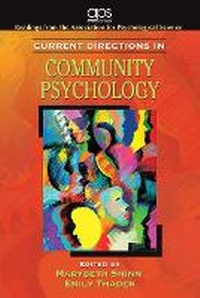
Current Directions in Community Psychology for Community Psychology
Published on 21. January 2010
Book
Paperback/Softback
208 pages
978-0-205-68010-8 (ISBN)
Description
These timely, cutting-edge articles allow instructors to bring their students real-world perspective--from a reliable source--about today's most current and pressing issues in community psychology.
More details
Language
English
Place of publication
United States
Publishing group
Pearson Education (US)
Target group
College/higher education
Dimensions
Height: 150 mm
Width: 230 mm
Thickness: 12 mm
Weight
363 gr
ISBN-13
978-0-205-68010-8 (9780205680108)
Copyright in bibliographic data and cover images is held by Nielsen Book Services Limited or by the publishers or by their respective licensors: all rights reserved.
Schweitzer Classification
Persons
Marybeth Shinn is Professor of Human and Organizational Development at Vanderbilt University. Before coming to Vanderbilt, she taught courses in community psychology, research methods, and psychology and social issues at New York University's Psychology and Applied Psychology departments and its Wagner School of Public Service. Beth got her undergraduate degree from the interdisciplinary Social Relations program at Harvard, and her Ph.D. in both social and community psychology at the University of Michigan. She served as president of the Society for the Psychological Study of Social Issues and of the Society for Community Research and Action (the community psychology division of the American Psychological Association) and received the latter group's award for Distinguished Contributions to Theory and Research. Her research is on homelessness, and on ways to make social settings work better for their participants.
Emily Thaden is a doctoral student in the Community Research & Action program in the Human & Organizational Development department at Vanderbilt University. She received her Bachelor's degree from New York University in 2002 and her Masters from Vanderbilt University in 2007. She is currently teaching an undergraduate class titled Understanding Organizations and has assisted with undergraduate and graduate level classes in systematic inquiry and action research. Her research uses a participatory action research approach to explore the responses of communities and organizations to the devolution of government support for social services, which includes work on affordable housing innovations, community development, welfare reform, and organizational change and collaboration.
Emily Thaden is a doctoral student in the Community Research & Action program in the Human & Organizational Development department at Vanderbilt University. She received her Bachelor's degree from New York University in 2002 and her Masters from Vanderbilt University in 2007. She is currently teaching an undergraduate class titled Understanding Organizations and has assisted with undergraduate and graduate level classes in systematic inquiry and action research. Her research uses a participatory action research approach to explore the responses of communities and organizations to the devolution of government support for social services, which includes work on affordable housing innovations, community development, welfare reform, and organizational change and collaboration.
Content
SECTION 1: ENVIRONMENTAL IMPACT: MICROSYSTEMS AND MESOSYSTEMS
Marshall, N. L. (2004). The quality of early child care and children's development. Current Directions in Psychological Science, 13, 165-168.
Stephens, M.A.P, & Franks, M.M. (1999). Parent care in the context of women's multiple roles. Current Directions in Psychological Science, 8, 149-152.
Hill, N. E., & Taylor, L.C. (2004). Parental school involvement and children's academic achievement: Pragmatics and issues. Current Directions in Psychological Science, 13, 161-164.
Wills, T.A., & Yaeger, A.M. (2003). Family factors and adolescent substance use: Models and mechanisms. Current Directions in Psychological Science, 12, 222-226.
Graham, S. (2006). Peer victimization in school: Exploring the ethic context. Current Directions in Psychological Science, 15, 317-321.
Patterson, C. J. (2006). Children of lesbian and gay parents. Current Directions in Psychological Science, 15, 241-244.
Larsen, R.W. (2001). How U.S. children and adolescents spend time: What it does (and doesn't) tell us about their development. Current Directions in Psychological Science, 10,160-164.
SECTION 2: ENVIRONMENTAL IMPACT: NEIGHBORHOODS AND MACROSYSTEMS
Leventhal, T., & Brooks-Gunn, J. (2003). Children and youth in neighborhood contexts. Current Directions in Psychological Science, 12, 27-31.
Cutrona, C. E., Wallace, G., & Wesner, K.A. (2006). Neighborhood characteristics and depression: An examination of stress processes. Current Directions in Psychological Science, 15, 188-192.
Chen, E. (2004).Why socioeconomic status affects the health of children: A psychosocial
perspective. Current Directions in Psychological Science, 13, 112-115.
Fuligni, A. J. (1998). The adjustment of children from immigrant families. Current Directions in Psychological Science, 7, 99-103.
Seybold, K.S., & Hill, P.C. (2001). The role of religion and spirituality in mental and physical health. Current Directions in Psychological Science, 10, 21-24.
SECTION 3: THE IMPACT OF DISPARATE STRESSORS
Kaniasty, K., & Norris, F. H. (1995). Mobilization of deterioration of social support following natural disasters. Current Directions in Psychological Science, 4, 94-98.
Adam, E. K. (2004). Beyond quality: Parental and residential stability and children's adjustment. Current Directions in Psychological Science, 13, 210-213.
Masten, A. S. (2008). Homeless children in the United States: Mark of the nation at risk. Current Directions in Psychological Science, 1, 41-45.
Karney, B. R., & Bradbury T.N. (2005). Contextual influences on marriage: Implications for policy and intervention. Current Directions in Psychological Science, 14, 171-174.
Luthar, S. S., & Latendresse, S. J. (2005). Children of the affluent: Challenges of well-being. Current Directions in Psychological Science, 14, 49-53.
SECTION 4: PREVENTION AND PROMOTION PROGRAMS
Olweus, D. (1995). Bullying or peer abuse at school: Facts and intervention. Current Directions in Psychological Science, 4,196-200.
Christenson, S. L., & Thurlow, M. L. (2004). School dropouts: Prevention considerations, interventions, and challenges. Current Directions in Psychological Science, 13, 36-39.
Rhodes, J. E., & DuBois, D.L. (2008). Mentoring relationships and programs for youth. Current Directions in Psychological Science, 17, 254-258.
Smith, R. E., & Smoll, F. L. (2008). Coaching the coaches: Youth sports as a scientific and applied behavioral setting. Current Directions in Psychological Science, 6, 16-21.
Albarracin, D., Durantini M.R., & Earl, A. (2006). Empirical and theoretical conclusions of an analysis of outcomes of HIV-prevention interventions. Current Directions in Psychological Science, 15, 73-78.
Price, R. H. (1992). Psychosocial impact of job loss on individuals and families. Current Directions in Psychological Science, 1, 9-11.
SECTION 5: FROM SPECIFIC PROGRAMS TO WIDESPREAD IMPACT OF INTERVENTION
Spoth, R. (2008). Translating family-focused prevention science into effective practice: Toward a translational impact paradigm. Current Directions in Psychological Science, 17, 415-421.
Prochaska, J. O. (2004). Population treatment for addictions. Current Directions in Psychological Science, 13, 242-246.
Klein, K. J. & Knight, A. P. (2005). Innovation implementation: Overcoming the challenge. Current Directions in Psychological Science, 14, 243-246.
Marshall, N. L. (2004). The quality of early child care and children's development. Current Directions in Psychological Science, 13, 165-168.
Stephens, M.A.P, & Franks, M.M. (1999). Parent care in the context of women's multiple roles. Current Directions in Psychological Science, 8, 149-152.
Hill, N. E., & Taylor, L.C. (2004). Parental school involvement and children's academic achievement: Pragmatics and issues. Current Directions in Psychological Science, 13, 161-164.
Wills, T.A., & Yaeger, A.M. (2003). Family factors and adolescent substance use: Models and mechanisms. Current Directions in Psychological Science, 12, 222-226.
Graham, S. (2006). Peer victimization in school: Exploring the ethic context. Current Directions in Psychological Science, 15, 317-321.
Patterson, C. J. (2006). Children of lesbian and gay parents. Current Directions in Psychological Science, 15, 241-244.
Larsen, R.W. (2001). How U.S. children and adolescents spend time: What it does (and doesn't) tell us about their development. Current Directions in Psychological Science, 10,160-164.
SECTION 2: ENVIRONMENTAL IMPACT: NEIGHBORHOODS AND MACROSYSTEMS
Leventhal, T., & Brooks-Gunn, J. (2003). Children and youth in neighborhood contexts. Current Directions in Psychological Science, 12, 27-31.
Cutrona, C. E., Wallace, G., & Wesner, K.A. (2006). Neighborhood characteristics and depression: An examination of stress processes. Current Directions in Psychological Science, 15, 188-192.
Chen, E. (2004).Why socioeconomic status affects the health of children: A psychosocial
perspective. Current Directions in Psychological Science, 13, 112-115.
Fuligni, A. J. (1998). The adjustment of children from immigrant families. Current Directions in Psychological Science, 7, 99-103.
Seybold, K.S., & Hill, P.C. (2001). The role of religion and spirituality in mental and physical health. Current Directions in Psychological Science, 10, 21-24.
SECTION 3: THE IMPACT OF DISPARATE STRESSORS
Kaniasty, K., & Norris, F. H. (1995). Mobilization of deterioration of social support following natural disasters. Current Directions in Psychological Science, 4, 94-98.
Adam, E. K. (2004). Beyond quality: Parental and residential stability and children's adjustment. Current Directions in Psychological Science, 13, 210-213.
Masten, A. S. (2008). Homeless children in the United States: Mark of the nation at risk. Current Directions in Psychological Science, 1, 41-45.
Karney, B. R., & Bradbury T.N. (2005). Contextual influences on marriage: Implications for policy and intervention. Current Directions in Psychological Science, 14, 171-174.
Luthar, S. S., & Latendresse, S. J. (2005). Children of the affluent: Challenges of well-being. Current Directions in Psychological Science, 14, 49-53.
SECTION 4: PREVENTION AND PROMOTION PROGRAMS
Olweus, D. (1995). Bullying or peer abuse at school: Facts and intervention. Current Directions in Psychological Science, 4,196-200.
Christenson, S. L., & Thurlow, M. L. (2004). School dropouts: Prevention considerations, interventions, and challenges. Current Directions in Psychological Science, 13, 36-39.
Rhodes, J. E., & DuBois, D.L. (2008). Mentoring relationships and programs for youth. Current Directions in Psychological Science, 17, 254-258.
Smith, R. E., & Smoll, F. L. (2008). Coaching the coaches: Youth sports as a scientific and applied behavioral setting. Current Directions in Psychological Science, 6, 16-21.
Albarracin, D., Durantini M.R., & Earl, A. (2006). Empirical and theoretical conclusions of an analysis of outcomes of HIV-prevention interventions. Current Directions in Psychological Science, 15, 73-78.
Price, R. H. (1992). Psychosocial impact of job loss on individuals and families. Current Directions in Psychological Science, 1, 9-11.
SECTION 5: FROM SPECIFIC PROGRAMS TO WIDESPREAD IMPACT OF INTERVENTION
Spoth, R. (2008). Translating family-focused prevention science into effective practice: Toward a translational impact paradigm. Current Directions in Psychological Science, 17, 415-421.
Prochaska, J. O. (2004). Population treatment for addictions. Current Directions in Psychological Science, 13, 242-246.
Klein, K. J. & Knight, A. P. (2005). Innovation implementation: Overcoming the challenge. Current Directions in Psychological Science, 14, 243-246.