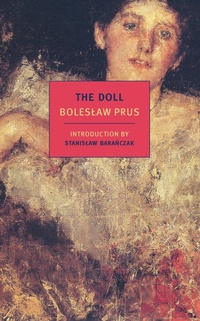
The Doll
Published on 8. February 2011
Book
Paperback/Softback
704 pages
978-1-59017-383-1 (ISBN)
Description
Boleslaw Prus is often compared to Chekhov, and Prus's masterpiece might be described as an intimate epic, a beautifully detailed, utterly absorbing exploration of life in late-nineteenth-century Warsaw, which is also a prophetic reckoning with some of the social forces-imperialism, nationalism, anti-Semitism among them-that would soon convulse Europe as never before. But The Doll is above all a brilliant novel of character, dramatizing conflicting ideas through the various convictions, ambitions, confusions, and frustrations of an extensive and varied cast. At the center of the book are three men from three different generations. Prus's fatally flawed hero is Wokulski, a successful businessman who yearns for recognition from Poland's decadent aristocracy and falls desperately in love with the highborn, glacially beautiful Izabela. Wokulski's story is intertwined with those of the incorrigibly romantic old clerk Rzecki, nostalgic for the revolutions of 1848, and of the bright young scientist Ochocki, who dreams of a future full of flying machines and other marvels, making for a book of great scope and richness that is, as Stanislaw Baranczak writes in his introduction, at once "an old-fashioned yet still fascinating love story . . . , a still topical diagnosis of society's ills, and a forceful yet subtle portrayal of a tragically doomed man."
More details
Edition
Main
Language
English
Place of publication
New York
United States
Publishing group
New York Review Books
Dimensions
Height: 202 mm
Width: 128 mm
Thickness: 40 mm
Weight
690 gr
ISBN-13
978-1-59017-383-1 (9781590173831)
Copyright in bibliographic data and cover images is held by Nielsen Book Services Limited or by the publishers or by their respective licensors: all rights reserved.
Schweitzer Classification
Other editions
Additional editions