

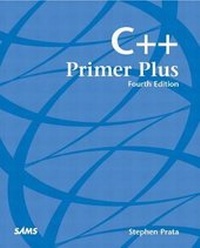
C++ Primer Plus
4th Edition
Published on 14. November 2001
Book
Paperback/Softback
1128 pages
978-0-672-32223-5 (ISBN)
Description
The fourth edition presents the ANSI C++ standard beginning with a discussion of the essential elements of C++ programming: loops, expressions, functions, and classes. It walks readers through the basics of object-oriented programming: classes, inheritance, templates, and exceptions, as well as the latest object-oriented programming techniques. C++ Primer Plus contains hundreds of sample programs. The friendly tone, concise programs, and end-of-chapter review exercises allow beginners to write their own programs immediately.
More details
Edition
4th edition
Language
English
Place of publication
Indianapolis
United States
Publishing group
Pearson Education (US)
Target group
College/higher education
Illustrations
illustrations
ISBN-13
978-0-672-32223-5 (9780672322235)
Copyright in bibliographic data and cover images is held by Nielsen Book Services Limited or by the publishers or by their respective licensors: all rights reserved.
Schweitzer Classification
Other editions
New editions
Stephen Prata
C++ Primer Plus
Book
11/2004
5th Edition
Sams Publishing
€44.56
Article exhausted; check for reprint
Previous edition
Stephen Prata
Waite Group's C++ Primer Plus
Book
09/1998
3rd Edition
Waite Group
€59.56
Article exhausted; check for reprint
Person
Stephen Prata teaches astronomy, physics, and computer science at the College of Marin in Kentfield, California. He received his B.S. from the California Institute of Technology and his Ph.D. from the University of California, Berkeley. Stephen has authored or coauthored over a dozen books for The Waite Group. He wrote The Waite GroupOs New C Primer Plus, which received the Computer Press AssociationOs 1990 Best How-to Computer Book Award and The Waite GroupOs C++ Primer Plus, nominated for the Computer Press AssociationOs Best How-to Computer Book Award in 1991.
Content
1. Getting Started.
Learning C++. A Little History. Portability and Standards. The Mechanics of Creating a Program. Conventions Used in This Book. Our System.
2. Setting Out to C++.
C++ Initiation. More About C++ Statements. More C++ Statements. Functions. Summary. Review Questions. Programming Exercises.
3. Dealing with Data.
Simple Variables. The const Qualifier. Floating-Point Numbers. C++ Arithmetic Operators. Summary. Review Questions. Programming Exercises.
4. Compound Types.
Introducing Arrays. Strings. Introducing Structures. Unions. Enumerations. Pointers and the Free Store. Pointers, Arrays, and Pointer Arithmetic. Summary. Review Questions. Programming Exercises.
5. Loops and Relational Expressions.
Introducing the for Loop. Relational Expressions. The while Loop. The do while Loop. Loops and Text Input. Nested Loops and Two-Dimensional Arrays. Summary. Review Questions. Programming Exercises
6. Branching Statements and Logical Operators.
The if Statement. Logical Expressions. The cctype Library of Character Functions. The ?: Operator. The switch Statement. The break and continue Statements. Number-Reading Loops. Summary. Review Questions. Programming Exercises.
7. Functions-C++'s Programming Modules.
Function Review. Function Arguments and Passing by Value. Functions and Arrays. Functions and Two-Dimensional Arrays. Functions and C-Style Strings. Functions and Structures. Recursion. Pointers to Functions. Summary. Review Questions. Programming Exercises.
8. Adventures in Functions
Inline Functions. Reference Variables. Default Arguments. Function Polymorphism (Function Overloading). Function Templates. Summary. Review Questions. Programming Exercises.
9. Memory Models and Namespaces.
Separate Compilation. Storage Duration, Scope, and Linkage. Namespaces. Summary. Review Questions. Programming Exercises.
10. Objects and Classes.
Procedural and Object-Oriented Programming. Abstraction and Classes. Class Constructors and Destructors. Knowing Your Objects: The this Pointer. An Array of Objects. Class Scope. An Abstract Data Type. Summary. Review Questions. Programming Exercises.
11. Working with Classes.
Operator Overloading. Time on Our Hands. Introducing Friends. Overloaded Operators: Member Versus Nonmember Functions. More Overloading: A Vector Class. Automatic Conversions and Type Casts for Classes. Summary. Review Questions. Programming Exercises.
12. Classes and Dynamic Memory Allocation.
Dynamic Memory and Classes. A Queue Simulation. Summary. Review Questions. Programming Exercises.
13. Class Inheritance.
Beginning with a Simple Base Class. Special Relationships. Inheritance-An Is-a Relationship. Polymorphic Public Inheritance. Access Control-protected. Abstract Base Classes. Inheritance and Dynamic Memory Allocation. Class Design Review. Summary. Review Questions. Programming Exercises.
14. Reusing Code in C++
Classes with Object Members. Private Inheritance. Multiple Inheritance. Class Templates. Summary. Review Questions. Programming Exercises.
15. Friends, Exceptions, and More.
Friends. Nested Classes. Exceptions. RTTI. Type Cast Operators. Summary. Review Questions. Programming Exercises.
16. The string Class and the Standard Template Library.
The string Class. The auto_ptr Class. The Standard Template Library. Generic Programming. Function Objects (aka Functors). Algorithms. Other Libraries. Summary. Review Questions. Programming Exercises.
17. Input, Output, and Files.
An Overview of C++ Input and Output. Output with cout. Input with cin. File Input and Output. Incore Formatting. What Now? Summary. Review Questions. Programming Exercises.
Appendix A. Number Bases.
Appendix B. C++ Keywords.
Appendix C. The ASCII Character Set.
Appendix D. Operator Precedence.
Appendix E. Other Operators.
Appendix F. The string Template Class.
Appendix G. The STL Methods and Functions.
Appendix H. Selected Readings.
Appendix I. Converting to ANSI/ISO Standard C++.
Appendix J. Answers to Review Questions.
Index.
Learning C++. A Little History. Portability and Standards. The Mechanics of Creating a Program. Conventions Used in This Book. Our System.
2. Setting Out to C++.
C++ Initiation. More About C++ Statements. More C++ Statements. Functions. Summary. Review Questions. Programming Exercises.
3. Dealing with Data.
Simple Variables. The const Qualifier. Floating-Point Numbers. C++ Arithmetic Operators. Summary. Review Questions. Programming Exercises.
4. Compound Types.
Introducing Arrays. Strings. Introducing Structures. Unions. Enumerations. Pointers and the Free Store. Pointers, Arrays, and Pointer Arithmetic. Summary. Review Questions. Programming Exercises.
5. Loops and Relational Expressions.
Introducing the for Loop. Relational Expressions. The while Loop. The do while Loop. Loops and Text Input. Nested Loops and Two-Dimensional Arrays. Summary. Review Questions. Programming Exercises
6. Branching Statements and Logical Operators.
The if Statement. Logical Expressions. The cctype Library of Character Functions. The ?: Operator. The switch Statement. The break and continue Statements. Number-Reading Loops. Summary. Review Questions. Programming Exercises.
7. Functions-C++'s Programming Modules.
Function Review. Function Arguments and Passing by Value. Functions and Arrays. Functions and Two-Dimensional Arrays. Functions and C-Style Strings. Functions and Structures. Recursion. Pointers to Functions. Summary. Review Questions. Programming Exercises.
8. Adventures in Functions
Inline Functions. Reference Variables. Default Arguments. Function Polymorphism (Function Overloading). Function Templates. Summary. Review Questions. Programming Exercises.
9. Memory Models and Namespaces.
Separate Compilation. Storage Duration, Scope, and Linkage. Namespaces. Summary. Review Questions. Programming Exercises.
10. Objects and Classes.
Procedural and Object-Oriented Programming. Abstraction and Classes. Class Constructors and Destructors. Knowing Your Objects: The this Pointer. An Array of Objects. Class Scope. An Abstract Data Type. Summary. Review Questions. Programming Exercises.
11. Working with Classes.
Operator Overloading. Time on Our Hands. Introducing Friends. Overloaded Operators: Member Versus Nonmember Functions. More Overloading: A Vector Class. Automatic Conversions and Type Casts for Classes. Summary. Review Questions. Programming Exercises.
12. Classes and Dynamic Memory Allocation.
Dynamic Memory and Classes. A Queue Simulation. Summary. Review Questions. Programming Exercises.
13. Class Inheritance.
Beginning with a Simple Base Class. Special Relationships. Inheritance-An Is-a Relationship. Polymorphic Public Inheritance. Access Control-protected. Abstract Base Classes. Inheritance and Dynamic Memory Allocation. Class Design Review. Summary. Review Questions. Programming Exercises.
14. Reusing Code in C++
Classes with Object Members. Private Inheritance. Multiple Inheritance. Class Templates. Summary. Review Questions. Programming Exercises.
15. Friends, Exceptions, and More.
Friends. Nested Classes. Exceptions. RTTI. Type Cast Operators. Summary. Review Questions. Programming Exercises.
16. The string Class and the Standard Template Library.
The string Class. The auto_ptr Class. The Standard Template Library. Generic Programming. Function Objects (aka Functors). Algorithms. Other Libraries. Summary. Review Questions. Programming Exercises.
17. Input, Output, and Files.
An Overview of C++ Input and Output. Output with cout. Input with cin. File Input and Output. Incore Formatting. What Now? Summary. Review Questions. Programming Exercises.
Appendix A. Number Bases.
Appendix B. C++ Keywords.
Appendix C. The ASCII Character Set.
Appendix D. Operator Precedence.
Appendix E. Other Operators.
Appendix F. The string Template Class.
Appendix G. The STL Methods and Functions.
Appendix H. Selected Readings.
Appendix I. Converting to ANSI/ISO Standard C++.
Appendix J. Answers to Review Questions.
Index.