

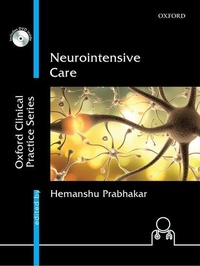
Neurointensive Care
Published on 10. October 2019
Book
Hardback
864 pages
978-0-19-948143-9 (ISBN)
Description
Neurointensive Care will adopts a problem- and condition-based approach to present all possible neurologic conditions which intensivists encounter in neurointensive care. It will be a comprehensive reference source covering topics from the basic principles of neurointensive care, neurologic examination, postoperative care, clinical monitoring, and pharmacologic care to systemic care including palliative and nursing care. It will also describe some of the commonly performed procedures in the neurointensive care unit and include a section on the case management of conditions such as traumatic brain injury, status epilepticus, subdural haemorrhage, and cerebral hyperperfusion syndrome. The Appendix will provide the latest guidelines related to intensive care management, and clinical scales and scores that are commonly used in the neurologic ICU.
Reviews / Votes
In all, this book will be best used by students and junior trainees seeking information on the care of acute neurologic conditions. * David J. Dries, MD, Doody's Reviews *More details
Series
Language
English
Place of publication
New Delhi
India
Target group
Professional and scholarly
Product notice
sewn/stitched
Cloth over boards
Dimensions
Height: 287 mm
Width: 226 mm
Thickness: 43 mm
Weight
2132 gr
ISBN-13
978-0-19-948143-9 (9780199481439)
Copyright in bibliographic data and cover images is held by Nielsen Book Services Limited or by the publishers or by their respective licensors: all rights reserved.
Schweitzer Classification
Person
Hemanshu Prabhakar is Professor in Neuroanaesthesiology and Critical Care at the All India Institute of Medical Sciences (AIIMS), New Delhi, India. He received his training in neuroanaesthesia and completed his PhD from the same institute. He is recipient of the AIIMS Excellence Award 2012 for notable contribution in academics. He has more than 250 publications in national and international journals to his credit. He is a reviewer for various national and international journals. He is also a review author for the Cochrane Collaboration and has special interest in evidence-based practice of neuroanaesthesia. He is a member of various national and international neuroanaesthesia societies and Secretary of the Indian Society of Neuroanaesthesiology and Critical Care. He is an invited faculty for various national and international conferences. He is on the Editorial Board of Indian Journal of Palliative Care and is the Executive Editor of Journal of Neuroanaesthesiology and Critical Care.
Content
Foreword by JL Vincent
Preface
Acknowledgements 1 Introduction and history of Neurointensive Care PART 1 Basic principles of Neurointensive Care 2 Cerebral blood flow and dynamics 3 Cerebrospinal fluid dynamics 4 Intracranial pressure Postoperative Care 5 Postoperative care of neurosurgical patients Clinical monitoring 6 Hemodynamic monitoring 7 Respiratory monitoring 8 Intracranial pressure monitoring 9 Cerebral oxygenation 10 Cerebral metabolism 11 Electrophysiological monitoring 12 Neuroimaging 13 Use of Ultrasound Pharmacological Care 14 Sedation and analgesia 15 Osmotherapy agents 16 Vasoactive drugs 17 Anticonvulsants 18 Corticosteroids 19 Anticoagulants 20 Muscle relaxants 21 Antibiotics Fluids and dyselectrolytemia 22 Fluid management 23 Dyselectrolytemias: Water and electrolyte management Neurological Care 24 Altered mental status 25 Intracranial Hypertension 26 Cerebral oedema 27 Hydrocephalus 28 Vasospasm 29 Pneumocephalus 30 Central nervous system infections 31 Brain protective strategies Metabolic care 32 Glycaemic Control 33 Arterial blood gas analysis 34 Fever 35 Hypothermia Respiratory Care 36 Respiratory Care of neurologic patients Cardiovascular care 37 Cardiovascular care of neurologic patients Renal Care 38 Acute kidney injury 39 Renal replacement therapy Haematological Care 40 Anaemia 41 Coagulopathy 42 Blood transfusion 43 Deep Vein Thrombosis Endocrinal care 44 Endocrine care of neurologic patient Neuromuscular Care 45 Critical illness polyneuropathy and myopathy Gastrointestinal care 46 Gastrointestinal Bleeding 47 Gastrointestinal dysfunction and Ileus 48 Feeding - calculations, types and complications 49 Immunonutrition Psychological care 50 Neuropsychological Assessment in the Neurointensive Care Setting: A Time Based Approach 51 Assessment & Management of Delirium in Medical Practice 52 Cognitive dysfunctions in psychiatric and neurological conditions Ethical Care 53 End of life care 54 Brain death 55 Organ donation Palliative Care 56 Palliative Care of neurologic patients Nursing Care and Physiotherapy 57 Nursing care 58 Physiotherapy Clinical procedures in neuro-ICU 59 Arterial and Venous access 60 Fibreoptic bronchoscopy and bronchial lavage 61 Intra-parenchymal ICP catheter insertion 62 External ventricular drainage systems 63 Lumbar drainage system 64 Subdural Evacuating Port System (SEPS) Placement for Chronic Subdural Hematoma Evacuation 65 Percutaneous tracheostomy 66 Percutaneous Endoscopic Gastrostomy 67 Evaluation of Intracranial pressure using bedside ultrasonography: Estimation of Optic Nerve Sheath Diameter (ONSD) 68 Echocardiography and Ultrasound in Neuro ICU 69 Cervical Spine Fixation with the Halo Brace PART 2 Case management 70 Adult traumatic brain injury 71 Paediatric traumatic brain injury 72 Hypoxic ischemic encephalopathy 73 Status Epilepticus 74 Aneurysmal Subarachnoid Haemorrhage 75 Intracerebral hemorrhage 76 Acute ischaemic stroke - Hemispheric Middle cerebral artery stroke 77 Acute ischaemic stroke - Basilar Artery Stroke 78 Myasthenia gravis 79 Guillain Barre syndrome 80 Cerebral hyperperfusion syndrome 81 Cerebral venous thrombosis 82 Spinal cord injury 83 ICU acquired muscle weakness 84 Appendix Scales and Scores
Preface
Acknowledgements 1 Introduction and history of Neurointensive Care PART 1 Basic principles of Neurointensive Care 2 Cerebral blood flow and dynamics 3 Cerebrospinal fluid dynamics 4 Intracranial pressure Postoperative Care 5 Postoperative care of neurosurgical patients Clinical monitoring 6 Hemodynamic monitoring 7 Respiratory monitoring 8 Intracranial pressure monitoring 9 Cerebral oxygenation 10 Cerebral metabolism 11 Electrophysiological monitoring 12 Neuroimaging 13 Use of Ultrasound Pharmacological Care 14 Sedation and analgesia 15 Osmotherapy agents 16 Vasoactive drugs 17 Anticonvulsants 18 Corticosteroids 19 Anticoagulants 20 Muscle relaxants 21 Antibiotics Fluids and dyselectrolytemia 22 Fluid management 23 Dyselectrolytemias: Water and electrolyte management Neurological Care 24 Altered mental status 25 Intracranial Hypertension 26 Cerebral oedema 27 Hydrocephalus 28 Vasospasm 29 Pneumocephalus 30 Central nervous system infections 31 Brain protective strategies Metabolic care 32 Glycaemic Control 33 Arterial blood gas analysis 34 Fever 35 Hypothermia Respiratory Care 36 Respiratory Care of neurologic patients Cardiovascular care 37 Cardiovascular care of neurologic patients Renal Care 38 Acute kidney injury 39 Renal replacement therapy Haematological Care 40 Anaemia 41 Coagulopathy 42 Blood transfusion 43 Deep Vein Thrombosis Endocrinal care 44 Endocrine care of neurologic patient Neuromuscular Care 45 Critical illness polyneuropathy and myopathy Gastrointestinal care 46 Gastrointestinal Bleeding 47 Gastrointestinal dysfunction and Ileus 48 Feeding - calculations, types and complications 49 Immunonutrition Psychological care 50 Neuropsychological Assessment in the Neurointensive Care Setting: A Time Based Approach 51 Assessment & Management of Delirium in Medical Practice 52 Cognitive dysfunctions in psychiatric and neurological conditions Ethical Care 53 End of life care 54 Brain death 55 Organ donation Palliative Care 56 Palliative Care of neurologic patients Nursing Care and Physiotherapy 57 Nursing care 58 Physiotherapy Clinical procedures in neuro-ICU 59 Arterial and Venous access 60 Fibreoptic bronchoscopy and bronchial lavage 61 Intra-parenchymal ICP catheter insertion 62 External ventricular drainage systems 63 Lumbar drainage system 64 Subdural Evacuating Port System (SEPS) Placement for Chronic Subdural Hematoma Evacuation 65 Percutaneous tracheostomy 66 Percutaneous Endoscopic Gastrostomy 67 Evaluation of Intracranial pressure using bedside ultrasonography: Estimation of Optic Nerve Sheath Diameter (ONSD) 68 Echocardiography and Ultrasound in Neuro ICU 69 Cervical Spine Fixation with the Halo Brace PART 2 Case management 70 Adult traumatic brain injury 71 Paediatric traumatic brain injury 72 Hypoxic ischemic encephalopathy 73 Status Epilepticus 74 Aneurysmal Subarachnoid Haemorrhage 75 Intracerebral hemorrhage 76 Acute ischaemic stroke - Hemispheric Middle cerebral artery stroke 77 Acute ischaemic stroke - Basilar Artery Stroke 78 Myasthenia gravis 79 Guillain Barre syndrome 80 Cerebral hyperperfusion syndrome 81 Cerebral venous thrombosis 82 Spinal cord injury 83 ICU acquired muscle weakness 84 Appendix Scales and Scores