

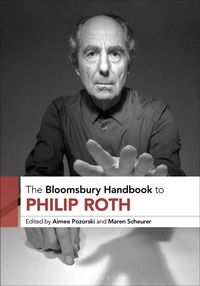
The Bloomsbury Handbook to Philip Roth
Will be published approx. on 22. January 2026
Book
Paperback/Softback
424 pages
978-1-5013-8028-0 (ISBN)
Description
The Bloomsbury Handbook to Philip Roth provides a comprehensive, must-have survey of interdisciplinary scholarship on one of the major American novelists of the 20th and 21st centuries.
The Bloomsbury Handbook to Philip Roth presents state-of-the-art scholarship on new research methods, current debates, and future directions in Philip Roth studies. It illuminates how Roth, one of the most influential American writers of the 20th and 21st centuries, not only reflected American history and culture in his important novels but uncannily anticipated our American future.
Divided into six main sections, this Handbook considers such topics:
- The full range of Roth's writing, from his novels and short stories to essays and life writing
- Major interdisciplinary scholarly perspectives across literary studies, politics, gender studies, critical race theory, and ecocriticism
- Roth's literary legacy across contemporary fiction, Jewish literature, the arts, and culture studies
- Key contexts including American political movements since the 1950s, the American Jewish experience, and intertextual relationships
Uniting scholars and artists who have built the field of Philip Roth studies from the ground up along with emergent scholars from around the world, this Handbook includes chapter summaries, study questions, and an author biography and timeline that includes key dates in Roth's life and publication history. It also contains a bibliography of secondary sources for further reading as well as an overview of film and television adaptations.
The Bloomsbury Handbook to Philip Roth presents state-of-the-art scholarship on new research methods, current debates, and future directions in Philip Roth studies. It illuminates how Roth, one of the most influential American writers of the 20th and 21st centuries, not only reflected American history and culture in his important novels but uncannily anticipated our American future.
Divided into six main sections, this Handbook considers such topics:
- The full range of Roth's writing, from his novels and short stories to essays and life writing
- Major interdisciplinary scholarly perspectives across literary studies, politics, gender studies, critical race theory, and ecocriticism
- Roth's literary legacy across contemporary fiction, Jewish literature, the arts, and culture studies
- Key contexts including American political movements since the 1950s, the American Jewish experience, and intertextual relationships
Uniting scholars and artists who have built the field of Philip Roth studies from the ground up along with emergent scholars from around the world, this Handbook includes chapter summaries, study questions, and an author biography and timeline that includes key dates in Roth's life and publication history. It also contains a bibliography of secondary sources for further reading as well as an overview of film and television adaptations.
Reviews / Votes
A rich collection of discursive takes on America's leading novelist of the late twentieth century, a writer no less controversial - and essential - now than he was at the start of his long, fertile and explosive writing life. * Steven J. Zipperstein, Daniel E. Koshland Professor in Jewish Culture and History, Stanford University, USA * It's well known that Philip Roth courted disapproval and thrived on giving offense. What's less well known is that his fiction is an intellectual feast and an incomparable scrutiny of modern life. This wide-ranging collection helps us acknowledge the breadth and scale of Roth's significance. * Patrick Hayes, Fellow of St John's College, University of Oxford, UK * The Bloomsbury Handbook to Philip Roth is the authoritative volume on contemporary approaches to Roth's work. Combining new scholarly voices with established Roth experts, the volume examines Roth's complex representations of women, race, and sexualities. The volume offers formal approaches to this most literary of American writers, as well as careful examinations of the difficulty of Roth's reputation. Aimee Pozorski and Maren Scheurer have compiled a rich and fascinating guide through the territory of Roth's life, research, interests, and writings. This is a wonderful guide for Roth readers old and new! * Catherine Morley, Professor and Head of School of Arts, University of Leicester, UK *More details
Series
Language
English
Place of publication
New York
United States
Publishing group
Bloomsbury Publishing Plc
Target group
College/higher education
Dimensions
Height: 254 mm
Width: 178 mm
Thickness: 23 mm
Weight
786 gr
ISBN-13
978-1-5013-8028-0 (9781501380280)
Copyright in bibliographic data and cover images is held by Nielsen Book Services Limited or by the publishers or by their respective licensors: all rights reserved.
Schweitzer Classification
Persons
Aimee Pozorski is Professor of English at Central Connecticut State University, USA, where she also directs the English graduate program and co-directs the program in American Studies. She is the author of AIDS-Trauma and Politics (2019), Falling After 9-11: Art and Literature in Crisis (Bloomsbury, 2014), and Roth and Trauma: The Problem of History in the Later Works (1995-2010) (Bloomsbury/Continuum, 2011). She is Co-executive Editor, with Maren Scheurer, of Philip Roth Studies, and is past President of the Philip Roth Society (2009-2015).
Maren Scheurer is a Researcher and Lecturer in the Department for Comparative Literature and in the Department for English and American Studies at Goethe-University Frankfurt am Main, Germany. She is the author of Transferences: The Aesthetics and Poetics of the Therapeutic Relationship (Bloomsbury, 2019). She is Co-executive Editor, with Aimee Pozorski, of Philip Roth Studies.
Maren Scheurer is a Researcher and Lecturer in the Department for Comparative Literature and in the Department for English and American Studies at Goethe-University Frankfurt am Main, Germany. She is the author of Transferences: The Aesthetics and Poetics of the Therapeutic Relationship (Bloomsbury, 2019). She is Co-executive Editor, with Aimee Pozorski, of Philip Roth Studies.
Content
List of Illustrations
Notes on Contributors
Acknowledgments
List of Abbreviations
Introduction
Aimee Pozorski (Central Connecticut State University, USA) and Maren Scheurer (Goethe University Frankfurt, Germany)
Timeline
I. Roth Through the Genres
1. Philip Roth's Novels: A Matter of Ventriloquism
Pia Masiero (Ca' Foscari University of Venice, Italy)
2. Divided Selves in Roth's Goodbye, Columbus and Five Short Stories
Victoria Aarons (Trinity University, St. Antonio, USA)
3. "Begging the Question": Philip Roth's Life Writing
Melissa Schuh (University of Kiel, Germany)
4. Liberalism, Autonomy, and the Open Mind in Philip Roth's Drama of the 1960s
Joshua Powell (Cardiff University, UK)
5. Philip Roth's Nonfiction: A Personal Unmasking
Elena Mortara (University of Tor Vergata, Rome, Italy)
6. "By Now What You Are Is a Walking Text": Philip Roth's Editorial Contexts, Roles, and Imagination
Jack Knowles (University of British Columbia, Vancouver, Canada)
II. Roth Across Disciplines
7. Dream a Little Dream: Music as Counternarrative in Philip Roth's Fiction
Matthew Shipe (Washington University of St. Louis, USA)
8. Roth's Existential Lesson in Identity and Irony
Valerie Roberge (Universite de Laval, Canada)
9. Safe at Home? Philip Roth and Sports
Mike Witcombe (Bath Spa University, UK)
10. Philip Roth and Fine Art
David Brauner (University of Reading, UK)
11. Roth and Religion: Nemesis, or Roth's Quarrel with God
Timothy Parrish (University of California, Davis, USA)
12. "Anagramists and Manure-Spreaders": Philip Roth and the Academy
David Gooblar (The University of Iowa, USA)
III. History and Politics
13. Roth and Politics: The Representative Writer Masquerading as Bartleby the Citizen
Claudia Bruehwiler (University of St. Gallen, Switzerland)
14. The Deception of Democracy in Philip Roth's Fiction
Dean Franco (Wake Forest University, USA)
15. "Our Fathers' Sons and Our Neighborhood's Creatures": Upwards Mobility and the Welfare State in Roth's Fiction
Daniel Dufournaud (York University, Toronto, Canada)
16. "Slipping the Punch": Philip Roth and Racial Passing
Aimee Pozorski (Central Connecticut State University, USA)
17. How History Uses Us: Philip Roth, the Holocaust, and American History
James Wigren (Central Connecticut State University, USA)
18. The Many Diasporas of Nathan Zuckerman
Bryan Cheyette (University of Reading, UK)
IV. New Directions in Roth Studies
19. Against the "Terror of Seeing": Old Age and Disability in Philip Roth's Later Novels
Maren Scheurer (Goethe University Frankfurt, Germany)
20. Countering Pastoral: Philip Roth and Ecology
Eric Leonidas (Central Connecticut State University, New Britain, USA)
21. Suburb, Settlement, Village: Roth on Whiteness and Landscape in the US and Beyond
Naomi Taub (University of Illinois, Urbana Champaign, USA)
22. Philip Roth's Anatomy Lessons
Ira Nadel (University of British Columbia, Vancouver, Canada)
23. Jews That Matter: Philip Roth and the Body
Joshua Lander (University of Glasgow, UK)
24. The Counterlife: On Roth's Queers
RL Goldberg (Princeton University, USA)
V. Adaptations and Influences
25. Roth's Legacy and Cancel Culture
Miriam Jaffe Foger (Rutgers University, Newark, USA)
26. Counter-Roth's: Nicole Krauss, Lisa Halliday, and Roth's Legacy
Michael Kalisch (University of Oxford, UK)
27. Roth Abroad
Brett Ashley Kaplan (University of Illinois, Urbana Champaign, USA)
28. Roth and Adaptation
Debra Shostak (Wooster College, Ohio, USA)
29. Roth Exhibited: An Interview with Bryan Zanisnik
Bryan Zanisnik (Hunter College, USA; Practicing Artist in NYC)
VI. Shop Talk
30. Philip Roth and a Pedagogy of Compassion
Maggie McKinley (Harper College, Chicago, USA)
31. Nemeses: Roth and His Biographers
Jesse Tisch (Independent Scholar, USA)
32. Censorship and Translation in Philip Roth's Portnoy's Complaint, The Breast, and The Professor of Desire
Gustavo Sanchez Canales (University of Madrid, Spain)
33. The Philip Roth Personal Library in Newark: Genesis, Purpose, and Contents
Tim Crist (Newark Library, USA), Nadine Sergejeff (Newark Library, USA), and Rosemary Steinbaum (Newark Library, USA)
Appendix:
34. Annotated Bibliography
Connor E. Dombal (Central Connecticut University, USA)
35. Uncollected Published Stories: An Annotated Inventory
James D. Bloom (Muhlenberg College, Allentown, USA)
36. A Guide to Film and Television Adaptations of Roth's Fiction
Deborah Shostak (Wooster College, USA)
Index
Notes on Contributors
Acknowledgments
List of Abbreviations
Introduction
Aimee Pozorski (Central Connecticut State University, USA) and Maren Scheurer (Goethe University Frankfurt, Germany)
Timeline
I. Roth Through the Genres
1. Philip Roth's Novels: A Matter of Ventriloquism
Pia Masiero (Ca' Foscari University of Venice, Italy)
2. Divided Selves in Roth's Goodbye, Columbus and Five Short Stories
Victoria Aarons (Trinity University, St. Antonio, USA)
3. "Begging the Question": Philip Roth's Life Writing
Melissa Schuh (University of Kiel, Germany)
4. Liberalism, Autonomy, and the Open Mind in Philip Roth's Drama of the 1960s
Joshua Powell (Cardiff University, UK)
5. Philip Roth's Nonfiction: A Personal Unmasking
Elena Mortara (University of Tor Vergata, Rome, Italy)
6. "By Now What You Are Is a Walking Text": Philip Roth's Editorial Contexts, Roles, and Imagination
Jack Knowles (University of British Columbia, Vancouver, Canada)
II. Roth Across Disciplines
7. Dream a Little Dream: Music as Counternarrative in Philip Roth's Fiction
Matthew Shipe (Washington University of St. Louis, USA)
8. Roth's Existential Lesson in Identity and Irony
Valerie Roberge (Universite de Laval, Canada)
9. Safe at Home? Philip Roth and Sports
Mike Witcombe (Bath Spa University, UK)
10. Philip Roth and Fine Art
David Brauner (University of Reading, UK)
11. Roth and Religion: Nemesis, or Roth's Quarrel with God
Timothy Parrish (University of California, Davis, USA)
12. "Anagramists and Manure-Spreaders": Philip Roth and the Academy
David Gooblar (The University of Iowa, USA)
III. History and Politics
13. Roth and Politics: The Representative Writer Masquerading as Bartleby the Citizen
Claudia Bruehwiler (University of St. Gallen, Switzerland)
14. The Deception of Democracy in Philip Roth's Fiction
Dean Franco (Wake Forest University, USA)
15. "Our Fathers' Sons and Our Neighborhood's Creatures": Upwards Mobility and the Welfare State in Roth's Fiction
Daniel Dufournaud (York University, Toronto, Canada)
16. "Slipping the Punch": Philip Roth and Racial Passing
Aimee Pozorski (Central Connecticut State University, USA)
17. How History Uses Us: Philip Roth, the Holocaust, and American History
James Wigren (Central Connecticut State University, USA)
18. The Many Diasporas of Nathan Zuckerman
Bryan Cheyette (University of Reading, UK)
IV. New Directions in Roth Studies
19. Against the "Terror of Seeing": Old Age and Disability in Philip Roth's Later Novels
Maren Scheurer (Goethe University Frankfurt, Germany)
20. Countering Pastoral: Philip Roth and Ecology
Eric Leonidas (Central Connecticut State University, New Britain, USA)
21. Suburb, Settlement, Village: Roth on Whiteness and Landscape in the US and Beyond
Naomi Taub (University of Illinois, Urbana Champaign, USA)
22. Philip Roth's Anatomy Lessons
Ira Nadel (University of British Columbia, Vancouver, Canada)
23. Jews That Matter: Philip Roth and the Body
Joshua Lander (University of Glasgow, UK)
24. The Counterlife: On Roth's Queers
RL Goldberg (Princeton University, USA)
V. Adaptations and Influences
25. Roth's Legacy and Cancel Culture
Miriam Jaffe Foger (Rutgers University, Newark, USA)
26. Counter-Roth's: Nicole Krauss, Lisa Halliday, and Roth's Legacy
Michael Kalisch (University of Oxford, UK)
27. Roth Abroad
Brett Ashley Kaplan (University of Illinois, Urbana Champaign, USA)
28. Roth and Adaptation
Debra Shostak (Wooster College, Ohio, USA)
29. Roth Exhibited: An Interview with Bryan Zanisnik
Bryan Zanisnik (Hunter College, USA; Practicing Artist in NYC)
VI. Shop Talk
30. Philip Roth and a Pedagogy of Compassion
Maggie McKinley (Harper College, Chicago, USA)
31. Nemeses: Roth and His Biographers
Jesse Tisch (Independent Scholar, USA)
32. Censorship and Translation in Philip Roth's Portnoy's Complaint, The Breast, and The Professor of Desire
Gustavo Sanchez Canales (University of Madrid, Spain)
33. The Philip Roth Personal Library in Newark: Genesis, Purpose, and Contents
Tim Crist (Newark Library, USA), Nadine Sergejeff (Newark Library, USA), and Rosemary Steinbaum (Newark Library, USA)
Appendix:
34. Annotated Bibliography
Connor E. Dombal (Central Connecticut University, USA)
35. Uncollected Published Stories: An Annotated Inventory
James D. Bloom (Muhlenberg College, Allentown, USA)
36. A Guide to Film and Television Adaptations of Roth's Fiction
Deborah Shostak (Wooster College, USA)
Index