

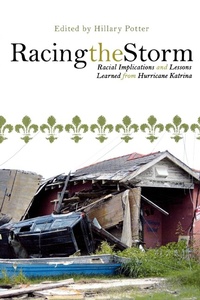
Racing the Storm
Racial Implications and Lessons Learned from Hurricane Katrina
Published on 31. July 2007
Book
Paperback/Softback
320 pages
978-0-7391-1974-7 (ISBN)
Description
On August 29, 2005, Hurricane Katrina hit land and gravely affected the lives of many people in the states along the Gulf Coast. Katrina went beyond demonstrating the devastating natural effects of a hurricane by exposing the continuing significance of race relations and racial stereotyping in U.S. society.Racing the Storm serves to highlight the race-based perceptions of and responses to Katrina survivors by governmental entities, volunteers, the media, and the general public. Scholars from a variety of disciplines take on the task of analyzing the social phenomena and racial implications surrounding Hurricane Katrina.
Reviews / Votes
Racing the Storm uses race as a way to study it[Hurrican Katrina]. Highly recommended. -- . * Choice Reviews * This book highlights the race-based perceptions of and responses to Katrina survivors by governmental entities, volunteers, the media, and the general public. Scholars from a variety of disciplines take on the task of analyzing the social phenomena and racial implications surrounding Hurricane Katrina. -- . * Natural Hazards Observer * Racing the Storm: Racial Implications and Lessons Learned from Hurricane Katrina is a wide ranging exploration of the many phases of the catastrophe, from social psychological statistical analysis of social identity and attributions explanations of race-based perceptions, the meaning of crime and looting from the perspectives of Black and minority people, the history and emerging racialization of Latino immigrants in New Orleands, to an intriguing comparison of Katrina and the human suffering caused by the war in Iraq. I strongly recommend it. -- B. E. Aguirre, Disaster Research Center, University of DelawareMore details
Language
English
Place of publication
United States
Publishing group
Bloomsbury Publishing Plc
Target group
College/higher education
Product notice
Paperback (trade)
Dimensions
Height: 229 mm
Width: 152 mm
Thickness: 19 mm
Weight
537 gr
ISBN-13
978-0-7391-1974-7 (9780739119747)
Copyright in bibliographic data and cover images is held by Nielsen Book Services Limited or by the publishers or by their respective licensors: all rights reserved.
Schweitzer Classification
Other editions
Additional editions
Racing the Storm
Racial Implications and Lessons Learned from Hurricane Katrina
E-Book
08/2007
1st Edition
Lexington Books
€49.99
Available for download
Persons
Hillary Potter, PhD, is assistant professor of Sociology at the University of Colorado at Boulder.
Content
Chapter 1 Introduction
Part 2 Part I: Perception and Typecasting
Chapter 3 Chapter 1: Making Sense of a Hurricane: Social Identity and Attribution Explanations of Race-related Differences in Katrina Disaster Responses
Chapter 4 Chapter 2: The Color(s) of Crisis: How Race, Rumor, and Collective Memory Shape the Legacy of Katrina
Chapter 5 Chapter 3: Reframing Crime in a Disaster: Perception, Reality, and Criminalization of Survival Tactics Among African Americans in the Aftermath of Katrina
Chapter 6 Chapter 4: Cultural Differences in Perceptions of the Government and the Legal System: Hurricane Katrina Highlights What Has Been There All Along
Part 7 Part II: Culture and Community
Chapter 8 Chapter 5: From "Gateway to the Americas" to the "Chocolate City:" The Racialization of Latinos in New Orleans
Chapter 9 Chapter 6: Saxophones, Trumpets, and Hurricanes: The Cultural Restructuring of New Orleans
Chapter 10 Chapter 7: Prayer and Social Welfare in the Wake of Katrina: Race and Volunteerism in Disaster Response
Part 11 Part III: Citizenship, Politics, and Government Priorities
Chapter 12 Chapter 8: Stipulations: A Typology of Citizenship in the United States after Katrina
Chapter 13 Chapter 9: Protect or Neglect? Social Structure, Decision Making, and the Risk of Living in African American Places in New Orleans
Chapter 14 Chapter 10: Blown Away: U.S. Militarism and Hurricane Katrina
Chapter 15 Chapter 11: Spectacular Privatizations: Perceptions and Lessons from Privatization of Warfare and the Privatization of Disaster
Chapter 16 Chapter 12: Running Faster Next Time: Blacks and Homeland Security
Chapter 17 Conclusion
Part 2 Part I: Perception and Typecasting
Chapter 3 Chapter 1: Making Sense of a Hurricane: Social Identity and Attribution Explanations of Race-related Differences in Katrina Disaster Responses
Chapter 4 Chapter 2: The Color(s) of Crisis: How Race, Rumor, and Collective Memory Shape the Legacy of Katrina
Chapter 5 Chapter 3: Reframing Crime in a Disaster: Perception, Reality, and Criminalization of Survival Tactics Among African Americans in the Aftermath of Katrina
Chapter 6 Chapter 4: Cultural Differences in Perceptions of the Government and the Legal System: Hurricane Katrina Highlights What Has Been There All Along
Part 7 Part II: Culture and Community
Chapter 8 Chapter 5: From "Gateway to the Americas" to the "Chocolate City:" The Racialization of Latinos in New Orleans
Chapter 9 Chapter 6: Saxophones, Trumpets, and Hurricanes: The Cultural Restructuring of New Orleans
Chapter 10 Chapter 7: Prayer and Social Welfare in the Wake of Katrina: Race and Volunteerism in Disaster Response
Part 11 Part III: Citizenship, Politics, and Government Priorities
Chapter 12 Chapter 8: Stipulations: A Typology of Citizenship in the United States after Katrina
Chapter 13 Chapter 9: Protect or Neglect? Social Structure, Decision Making, and the Risk of Living in African American Places in New Orleans
Chapter 14 Chapter 10: Blown Away: U.S. Militarism and Hurricane Katrina
Chapter 15 Chapter 11: Spectacular Privatizations: Perceptions and Lessons from Privatization of Warfare and the Privatization of Disaster
Chapter 16 Chapter 12: Running Faster Next Time: Blacks and Homeland Security
Chapter 17 Conclusion