

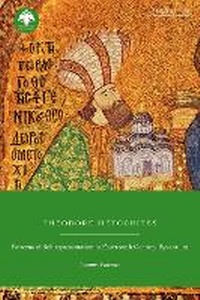
Theodore Metochites
Patterns of Self-Representation in Fourteenth-Century Byzantium
Published on 28. December 2023
Book
Hardback
216 pages
978-0-7556-5142-9 (ISBN)
Description
The statesman and scholar Theodore Metochites was one of the most important personalities of the fourteenth-century Byzantine Empire. A close advisor to the emperor Andronikos II and restorer of the famous monastery of Chora in Constantinople, Metochites left various writings including orations, poems, essays and commentaries on classical and religious texts, in which he discusses the numerous problems that troubled him and his contemporaries, such as the decline of the state and the tension between public life and that of the philosopher.
In this book, Ioannis Polemis provides the first in-depth study of Metochites' oeuvre, revealing the complex way he represented the authorial self to critique the politics and mores of his day, whilst at the same time shielding himself from potential criticism. Polemis details the way Metochites deftly manipulated figures and tropes from classical antiquity and early Christianity to justify his role in public life, which was traditionally shunned by scholars in the pursuit of 'logos'. The book provides unique insights into one of the late Empire's most important figures, as well as more widely deepening our understanding of classical reception in Byzantium and the social, political and intellectual climate of Constantinople in the fourteenth century.
In this book, Ioannis Polemis provides the first in-depth study of Metochites' oeuvre, revealing the complex way he represented the authorial self to critique the politics and mores of his day, whilst at the same time shielding himself from potential criticism. Polemis details the way Metochites deftly manipulated figures and tropes from classical antiquity and early Christianity to justify his role in public life, which was traditionally shunned by scholars in the pursuit of 'logos'. The book provides unique insights into one of the late Empire's most important figures, as well as more widely deepening our understanding of classical reception in Byzantium and the social, political and intellectual climate of Constantinople in the fourteenth century.
Reviews / Votes
This is the first comprehensive study on Theodore Metochites' self-representation, authored by the world's most experienced scholar with Metochites' work and thought. It plugs an important gap in current scholarship by casting new light on Metochites' multifaceted image of himself and the way it is transformed or adjusted to meet the needs of his audience on different occasions. This study also offers a fresh understanding of the political, intellectual and social climate in Constantinople in the 13th and 14th c., and it is a significant contribution to the field of the reception of the classical tradition in late Byzantium. * Sophia Xenofontos, Dr, University of Glasgow, UK *More details
Series
Language
English
Place of publication
United Kingdom
Publishing group
Bloomsbury Publishing PLC
Target group
Professional and scholarly
Dimensions
Height: 238 mm
Width: 164 mm
Thickness: 18 mm
Weight
480 gr
ISBN-13
978-0-7556-5142-9 (9780755651429)
Copyright in bibliographic data and cover images is held by Nielsen Book Services Limited or by the publishers or by their respective licensors: all rights reserved.
Schweitzer Classification
Other editions
Additional editions
E-Book
12/2023
1st Edition
I.B. Tauris
€31.99
Available for download
Person
Ioannis Polemis is Professor of Byzantine Literature at Athens University, Greece. He is the author of Theophanes of Nicea: His Life and Works (1996), and numerous editions of the writing of Metochites. His edition of Michael Psellos' funeral orations was published in 2014.
Content
TABLE OF CONTENTS
Acknowledgements
INTRODUCTION: LIFE AND WORK AT THE END OF EMPIRE
PART I: METOCHITES' REPRESENTATIONS OF HIMSELF AND OTHERS
1. Metochites on Himself: Inner Ambiguity
2. Metochites on Others: Mirror Images of Himself
3. Coda-Disposing of Oneself: A New Way of Being?
PART II. THE QUEST FOR NOVELTY: INNOVATION VERSUS TRADITION IN METOCHITES' REPRESENTATIONS
4. Not Everything Old Is to Be Revered
5. Oration 6, for Gregory of Nazianzus: A Response to Men Like Choumnos?
6. Coda-Metochites on Rhetoric: Veiled Criticism of Late Byzantium
Discursive Culture
PART III: VITA CONTEMPLATIVA VERSUS VITA ACTIVA: AN AMBIGUOUS RELATIONSHIP AND THE INNER AMBIGUITIES OF METOCHITES' SELF-IMAGE AS AN INTELLECTUAL
7. 'The Greeks Ask for Wisdom': Quest for a Humanistic Monastery
8. Oration 11, Byzantios: The Secular Body of the City
and a Secular World Contemplated
9. Coda-Nature and Being: Elusive Concepts
Conclusion: Metochites, a Philosopher of His Time
Appendix: Works by Theodore Metochites
Bibliography
Acknowledgements
INTRODUCTION: LIFE AND WORK AT THE END OF EMPIRE
PART I: METOCHITES' REPRESENTATIONS OF HIMSELF AND OTHERS
1. Metochites on Himself: Inner Ambiguity
2. Metochites on Others: Mirror Images of Himself
3. Coda-Disposing of Oneself: A New Way of Being?
PART II. THE QUEST FOR NOVELTY: INNOVATION VERSUS TRADITION IN METOCHITES' REPRESENTATIONS
4. Not Everything Old Is to Be Revered
5. Oration 6, for Gregory of Nazianzus: A Response to Men Like Choumnos?
6. Coda-Metochites on Rhetoric: Veiled Criticism of Late Byzantium
Discursive Culture
PART III: VITA CONTEMPLATIVA VERSUS VITA ACTIVA: AN AMBIGUOUS RELATIONSHIP AND THE INNER AMBIGUITIES OF METOCHITES' SELF-IMAGE AS AN INTELLECTUAL
7. 'The Greeks Ask for Wisdom': Quest for a Humanistic Monastery
8. Oration 11, Byzantios: The Secular Body of the City
and a Secular World Contemplated
9. Coda-Nature and Being: Elusive Concepts
Conclusion: Metochites, a Philosopher of His Time
Appendix: Works by Theodore Metochites
Bibliography