

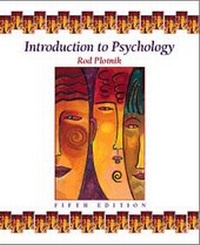
Introduction to Psychology
5th Edition
Published on 16. October 1998
Book
Hardback
724 pages
978-0-534-35611-8 (ISBN)
Description
This text encourages students to develop critical-thinking skills while studying psychology's major theories and concepts. James Kalat teaches students to separate what sounds plausible from what can be backed up with scientific evidence and how to tell the difference between sound and flawed evidence. The book's modular organization provides logical breaks within chapters, helping students manage the material for comprehension and providing a more flexible teaching tool for instructors. Kalat's text gets students involved in using the scientific method to question assertions, and in engaging students to want to know more.
More details
Edition
5th Revised edition
Language
English
Place of publication
CA
United States
Publishing group
Cengage Learning, Inc
Target group
College/higher education
Edition type
Revised edition
Illustrations
illustrations (chiefly colour) facsimiles (some colour), map, portraits (some colour)
Dimensions
Height: 286 mm
Width: 241 mm
Weight
1905 gr
ISBN-13
978-0-534-35611-8 (9780534356118)
Copyright in bibliographic data and cover images is held by Nielsen Book Services Limited or by the publishers or by their respective licensors: all rights reserved.
Schweitzer Classification
Other editions
Previous edition

Rod Plotnik
Introduction to Psychology
Book
12/1995
4th Edition
Brooks/Cole
€54.65
Article exhausted; check for reprint
Content
What is psychology?: The Goals of Psychologists. Psychology Then and Now. The Current Era In Psychology. Scientific methods in psychology: Science and the Evaluation of Evidence. Methods of Investigation in Psychology. Measuring and Analyzing Results. Appendix to Chapter 2. Statistical Calculations. Biological psychology: Psychological Explanations at the Level of the Gene. Explanations of Behavior at the Level of the Neuron. Explanations of Behavior at the Level of the Nervous System. Sensation and perception: Vision. The Nonvisual Senses. The Interpretation of Sensory Information. Altered states: Sleep and Dreams. Hypnosis. Drugs and Their Effects. Learning: Behaviorism. Classical Conditioning. Operant Conditioning. Social Learning. Memory: Types of Memory. Memory Improvement. Memory Loss. The Reconstruction of Memory. Cognition and language: Thinking and Mental Processes. Problem Solving, Expertise, and Error. Language. Intelligence and its measurement: Intelligence and Intelligence Tests. Evaluation of Intelligence Tests. Development: The Study of Early Development. The Development of Thinking and Reasoning. Social and Emotional Development. Growing Up the Same and Different: Temperament, Family, Gender, and Cultural Influences. Motivation: General Principles of Motivation. Motivation and Biological States: The Case of Hunger. Sexual Motivation. Achievement Motivation. Emotions, health psychology, and coping with stress: Emotional Behaviors. Health Psychology. Anger and Aggressive Behaviors. Coping with Stress. Personality: Theories of Personality. Personality Traits. Personality Assessment. Social psychology: Attitudes and Changing Attitudes. Social Perception and Cognition. Interpersonal Attraction. Interpersonal Influence. The Power of the Social Situation. Abnormal behaviour: An Overview of Abnormal Behavior. Anxiety and Avoidance Disorders. Substance-Related Disorders. Mood Disorders. Schizophrenia. Treatment of psychologically troubled people: Psychotherapy. Medical Therapies. Social and Legal Issues in the Treatment of Troubled People.