

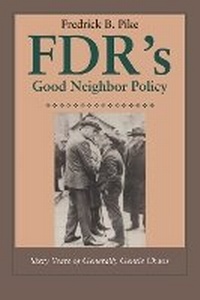
FDR's Good Neighbor Policy
Sixty Years of Generally Gentle Chaos
Published on 1. October 1995
Book
Paperback/Softback
422 pages
978-0-292-75493-5 (ISBN)
Description
During the 1930s, the United States began to look more favorably on its southern neighbors. Latin America offered expanded markets to an economy crippled by the Great Depression, while threats of war abroad nurtured in many Americans isolationist tendencies and a desire for improved hemispheric relations.
One of these Americans was Franklin Delano Roosevelt, the primary author of America's Good Neighbor Policy. In this thought-provoking book, Fredrick Pike takes a wide-ranging look at FDR's motives for pursuing the Good Neighbor Policy, at how he implemented it, and at how its themes have played out up to the mid-1990s.
Pike's investigation goes far beyond standard studies of foreign and economic policy. He explores how FDR's personality and Eleanor Roosevelt's social activism made them uniquely simpAtico to Latin Americans. He also demonstrates how Latin culture flowed north to influence U.S. literature, film, and opera. The book will be essential reading for everyone interested in hemispheric relations.
One of these Americans was Franklin Delano Roosevelt, the primary author of America's Good Neighbor Policy. In this thought-provoking book, Fredrick Pike takes a wide-ranging look at FDR's motives for pursuing the Good Neighbor Policy, at how he implemented it, and at how its themes have played out up to the mid-1990s.
Pike's investigation goes far beyond standard studies of foreign and economic policy. He explores how FDR's personality and Eleanor Roosevelt's social activism made them uniquely simpAtico to Latin Americans. He also demonstrates how Latin culture flowed north to influence U.S. literature, film, and opera. The book will be essential reading for everyone interested in hemispheric relations.
Reviews / Votes
A brilliant though unorthodox treatment of the cultural and intellectual developments that lay behind the policy of the Good Neighbor. The influence of culture on foreign policy is a theme open to absurd generalizations and pointless anecdotes and is often dealt with poorly. Pike does it superbly, with successive chapters that illuminate how the Great Depression profoundly altered the way in which many norteamericanos and Latin Americans conceived of their mutual relations.... This charming and perceptive work deserves a wide readership among students of hemispheric relations. (Foreign Affairs)More details
Language
English
Place of publication
Austin, TX
United States
Dimensions
Height: 229 mm
Width: 152 mm
Weight
454 gr
ISBN-13
978-0-292-75493-5 (9780292754935)
Copyright in bibliographic data and cover images is held by Nielsen Book Services Limited or by the publishers or by their respective licensors: all rights reserved.
Schweitzer Classification
Other editions
Additional editions
E-Book
07/2010
1st Edition
University of Texas Press
from
€32.99
Available for download
Person
Fredrick B. Pike, winner of the American Historical Association's 1963 Bolton Prize, holds a distinguished graduate award from the University of Texas Institute of Latin American Studies.
Content
Preface
Section I. The Great Depression and Better Neighborliness in the Americas
1. Operatic Prologue
2. Depression: The New World's Great Equalizer
3. Depression in America's Cities, Depression in the Countryside, and a Rapprochement with Latin America
4. Americans Reassess Capitalism and the Hemisphere
5. A Clint Eastwood Cinematic Epilogue
Section II. Inducements Toward Good Neighborliness
6. Religion, Social Gospel, and Social Work
7. American and Latin American Intellectuals as Good Neighbors
8. Becoming Good Neighbors through Arts and Letters
9. Krause, Sacco and Vanzetti, and the American Culturati
Section III. Ambivalence of Mood: North Americans Contemplate Latin Americans
10. The Lure of the Primitive and the Acceptance of Cultural Diversity
11. Single-Minded Bigots No Longer
12. Racial Bigotry and Hemispheric Relations
Section IV. The Roosevelt Styles in Latin American Relations
13. Sizing Up Latin America: The Young and the Mature Roosevelt
14. Hyde Park Patrician in the Latin Style
15. The Roosevelt Style: Corporatism and Tricksterism
Section V. Launching and Targeting the Good Neighbor Policy
16. Discarding the Burdens of Interventionism
17. Agrarian Myths and the Good Neighbor Policy
18. The Good Neighbor's Romance with Mexico
19. Good Neighbor Policies: Soft, Hard, and Indeterminate
20. FDR: What Kind of a Good Neighbor?
21. First the Hemisphere, Then the World
Section VI. Security Issues and Good Neighbor Tensions
22. The Hemisphere in Danger
23. Two in One Flesh: Economic and Security Issues
24. Three in One Flesh: Economic, Security, and Cultural Issues
25. Old and New Hemispheric Tensions as One War Gives Way to Another
26. The Good Neighbor Policy in Transition as Its Presiding Officer Dies
Section VII. Farewell and Welcome Back the Good Neighbor Policy
27. The "American Century" Begins
28. Rethinking Good Neighborliness as the American Century Begins
29. The Cold War and a Hemispheric Marriage of Convenience
Section VIII. Good Neighbor Themes and Variations Half a Century Later
30. New Economic Forces Begin to Transform the New World
31. Expanding Potentials for Good (and Bad) Neighborliness toward Century's End: Religion and Immigration
32. Toward Century's End: Problems in Privatized Paradises
33. The Enduring Potential of FDR's Gentle Chaos
Notes
Index
Section I. The Great Depression and Better Neighborliness in the Americas
1. Operatic Prologue
2. Depression: The New World's Great Equalizer
3. Depression in America's Cities, Depression in the Countryside, and a Rapprochement with Latin America
4. Americans Reassess Capitalism and the Hemisphere
5. A Clint Eastwood Cinematic Epilogue
Section II. Inducements Toward Good Neighborliness
6. Religion, Social Gospel, and Social Work
7. American and Latin American Intellectuals as Good Neighbors
8. Becoming Good Neighbors through Arts and Letters
9. Krause, Sacco and Vanzetti, and the American Culturati
Section III. Ambivalence of Mood: North Americans Contemplate Latin Americans
10. The Lure of the Primitive and the Acceptance of Cultural Diversity
11. Single-Minded Bigots No Longer
12. Racial Bigotry and Hemispheric Relations
Section IV. The Roosevelt Styles in Latin American Relations
13. Sizing Up Latin America: The Young and the Mature Roosevelt
14. Hyde Park Patrician in the Latin Style
15. The Roosevelt Style: Corporatism and Tricksterism
Section V. Launching and Targeting the Good Neighbor Policy
16. Discarding the Burdens of Interventionism
17. Agrarian Myths and the Good Neighbor Policy
18. The Good Neighbor's Romance with Mexico
19. Good Neighbor Policies: Soft, Hard, and Indeterminate
20. FDR: What Kind of a Good Neighbor?
21. First the Hemisphere, Then the World
Section VI. Security Issues and Good Neighbor Tensions
22. The Hemisphere in Danger
23. Two in One Flesh: Economic and Security Issues
24. Three in One Flesh: Economic, Security, and Cultural Issues
25. Old and New Hemispheric Tensions as One War Gives Way to Another
26. The Good Neighbor Policy in Transition as Its Presiding Officer Dies
Section VII. Farewell and Welcome Back the Good Neighbor Policy
27. The "American Century" Begins
28. Rethinking Good Neighborliness as the American Century Begins
29. The Cold War and a Hemispheric Marriage of Convenience
Section VIII. Good Neighbor Themes and Variations Half a Century Later
30. New Economic Forces Begin to Transform the New World
31. Expanding Potentials for Good (and Bad) Neighborliness toward Century's End: Religion and Immigration
32. Toward Century's End: Problems in Privatized Paradises
33. The Enduring Potential of FDR's Gentle Chaos
Notes
Index