

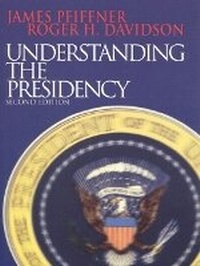
Understanding the Presidency
2nd Edition
Published on 19. November 1999
Book
Paperback/Softback
488 pages
978-0-321-04493-8 (ISBN)
Description
This popular reader is the only comprehensive reader on the American Presidency that is also accessible and engaging for undergraduate students. The editors culled the reading selections with several aims in mind: to include the historical perspective so often neglected in similar texts; to provide developmental views that explain how what happened over the past two centuries got us where we are today; and to present important current issues that are engaging the presidency during the Clinton administration. Some articles are "classic" scholarly analyses, some represent the best of current scholarship, and some are engaging insights into the nature of the contemporary presidency.
More details
Edition
2nd edition
Language
English
Place of publication
New York
United States
Publishing group
Taylor & Francis Inc
Target group
Professional and scholarly
Dimensions
Height: 162 mm
Width: 234 mm
Thickness: 21 mm
Weight
663 gr
ISBN-13
978-0-321-04493-8 (9780321044938)
Copyright in bibliographic data and cover images is held by Nielsen Book Services Limited or by the publishers or by their respective licensors: all rights reserved.
Schweitzer Classification
Other editions
New editions

James P. Pfiffner | Roger H. Davidson
Understanding the Presidency
Book
01/2000
3rd Edition
Routledge
€26.73
Article exhausted; check for reprint
Previous edition
James P. Pfiffner | Roger H. Davidson
Understanding the Presidency
Book
01/2000
3rd Edition
Routledge
€26.73
Article exhausted; check for reprint
Content
1. Constitutional Origins of the Presidency.
The Creation of the Presidency, Charles C. Thatch, Jr.
James Madison to Thomas Jefferson, James Madison.
Federalist No. 69, Alexander Hamilton.
Federalist No. 70, Alexander Hamilton.
To the Citizens of the State of New York, George Clinton.
2. Historical Perspectives on the Presidency.
The Strict Constructionist Presidency, William Howard Taft.
The Stewardship Presidency, Theodore Roosevelt.
The Public Presidency, Woodrow Wilson.
The Prerogative Presidency, Abraham Lincoln.
Toward a Modern Presidency, Fred I. Greenstein.
Presidency in the Political Order, Stephen Skoronek.
3. Selecting Presidents: Campaigns, Elections, and Mandates.
The Rules Do Matter: Post-Reform Presidential Nominating Politics, Elaine Ciulla Kamark and Kenneth M. Goldstein.
Out of Order: Games and Governing, Thomas E. Patterson.
Follow the Money: Clinton, Campaign Finance, and Reform, Clyde Wilcox.
Party Favors, Robert B. Reich.
The Myth of Presidential Mandate, Robert A. Dahl.
4. The Public Presidency: Press, Media, and Public Approval.
The Press and the Presidency, Mark J. Rozell.
Spin Control in the White House, John Anthony Maltese.
The Presidential Pulpit: Bully or Baloney?, George C. Edwards III.
Public Opinion Polls: The New Referendum, Paul Brace and Barbara Hinckley.
Presidential Impeachment Politics, Richard M. Pious.
5. The Institutional Presidency.
The White House Staff, The President's Committee on Administrative Management (Brownlow Committee).
The President's Cabinet, Ronald C. Moe.
Locked in the Cabinet, Robert B. Reich.
The Evolution of the White House Staff, Samuel Kernell.
The Changing Presidential Office, Hugh Heclo.
Can the President Manage the Government?, James P Pfiffner.
Bureaucracy in the American Constitutional Order, Francis E. Rourke.
6. The Separation of Powers.
Presidential Relations with Congress, Roger H. Davidson.
Representation, Accountability, and Efficiency in Divided Party Control of Government, James A. Thurber.
The Presidency in a Separated System, Charles O. Jones.
Is the Separation of Powers Obsolete?, Robert J. Spitzer.
Judicial Control of the Presidency: Stability and Change, Robert Dudley.
7. Domestic Policy Leadership.
The Hundred Days, Arthur M. Schlesinger, Jr.
The Power to Persuade, Richard Neustadt.
The Presidency and Domestic Policy: The Civil Rights Act of 1964, Robert D. Loevy.
How a Bill Did Not Become a Law, Allan Schick.
Presidential Management of the Economy, Donald F. Kettl.
8. Commander-in-Chief and National Security.
Invitation to Struggle: The President, Congress, and National Security, Louis Fisher.
(Iran-Contra) What Was Wrong, Report of the President's Special Review Board.
Making Foreign Policy: President and Congress, Thomas E. Mann.
Presidential Policy-Making and the Gulf War, James P. Pfiffner.
9. Evaluating Presidents: Greatness and Abuse of Power.
The Finitude of Presidential Power, Michael A. Genovese.
The American Monarchy, George E. Reedy.
Watergate: Implications for Responsible Government, Frederick C. Mosher.
Being Liked and Being President, Paul Brace and Barbara Hinkley.
President Clinton's Impeachment and Senate Trial, James P. Pfiffner.
What Makes a Good Leader?, Gary Wills.
The Articles of Impeachment (of William Jefferson Clinton).
House of Representatives Impeachment Brief.
White House Impeachment Trial Memo.
The Creation of the Presidency, Charles C. Thatch, Jr.
James Madison to Thomas Jefferson, James Madison.
Federalist No. 69, Alexander Hamilton.
Federalist No. 70, Alexander Hamilton.
To the Citizens of the State of New York, George Clinton.
2. Historical Perspectives on the Presidency.
The Strict Constructionist Presidency, William Howard Taft.
The Stewardship Presidency, Theodore Roosevelt.
The Public Presidency, Woodrow Wilson.
The Prerogative Presidency, Abraham Lincoln.
Toward a Modern Presidency, Fred I. Greenstein.
Presidency in the Political Order, Stephen Skoronek.
3. Selecting Presidents: Campaigns, Elections, and Mandates.
The Rules Do Matter: Post-Reform Presidential Nominating Politics, Elaine Ciulla Kamark and Kenneth M. Goldstein.
Out of Order: Games and Governing, Thomas E. Patterson.
Follow the Money: Clinton, Campaign Finance, and Reform, Clyde Wilcox.
Party Favors, Robert B. Reich.
The Myth of Presidential Mandate, Robert A. Dahl.
4. The Public Presidency: Press, Media, and Public Approval.
The Press and the Presidency, Mark J. Rozell.
Spin Control in the White House, John Anthony Maltese.
The Presidential Pulpit: Bully or Baloney?, George C. Edwards III.
Public Opinion Polls: The New Referendum, Paul Brace and Barbara Hinckley.
Presidential Impeachment Politics, Richard M. Pious.
5. The Institutional Presidency.
The White House Staff, The President's Committee on Administrative Management (Brownlow Committee).
The President's Cabinet, Ronald C. Moe.
Locked in the Cabinet, Robert B. Reich.
The Evolution of the White House Staff, Samuel Kernell.
The Changing Presidential Office, Hugh Heclo.
Can the President Manage the Government?, James P Pfiffner.
Bureaucracy in the American Constitutional Order, Francis E. Rourke.
6. The Separation of Powers.
Presidential Relations with Congress, Roger H. Davidson.
Representation, Accountability, and Efficiency in Divided Party Control of Government, James A. Thurber.
The Presidency in a Separated System, Charles O. Jones.
Is the Separation of Powers Obsolete?, Robert J. Spitzer.
Judicial Control of the Presidency: Stability and Change, Robert Dudley.
7. Domestic Policy Leadership.
The Hundred Days, Arthur M. Schlesinger, Jr.
The Power to Persuade, Richard Neustadt.
The Presidency and Domestic Policy: The Civil Rights Act of 1964, Robert D. Loevy.
How a Bill Did Not Become a Law, Allan Schick.
Presidential Management of the Economy, Donald F. Kettl.
8. Commander-in-Chief and National Security.
Invitation to Struggle: The President, Congress, and National Security, Louis Fisher.
(Iran-Contra) What Was Wrong, Report of the President's Special Review Board.
Making Foreign Policy: President and Congress, Thomas E. Mann.
Presidential Policy-Making and the Gulf War, James P. Pfiffner.
9. Evaluating Presidents: Greatness and Abuse of Power.
The Finitude of Presidential Power, Michael A. Genovese.
The American Monarchy, George E. Reedy.
Watergate: Implications for Responsible Government, Frederick C. Mosher.
Being Liked and Being President, Paul Brace and Barbara Hinkley.
President Clinton's Impeachment and Senate Trial, James P. Pfiffner.
What Makes a Good Leader?, Gary Wills.
The Articles of Impeachment (of William Jefferson Clinton).
House of Representatives Impeachment Brief.
White House Impeachment Trial Memo.