

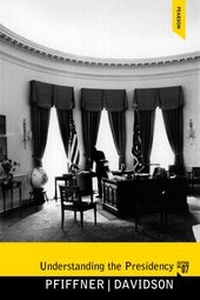
Understanding the Presidency
7th Edition
Published on 17. February 2012
Book
Paperback/Softback
528 pages
978-0-205-86468-3 (ISBN)
Description
Updated in its 7th edition, Understanding the Presidency provides readers with a blend of classic and contemporary readings on the presidency to ground and expand their knowledge of the highest office in the land. The new edition gives readers the analytical tools needed to make sense of the modern presidency.
More details
Edition
7th edition
Language
English
Place of publication
New York
United States
Publishing group
Taylor & Francis Inc
Target group
College/higher education
Edition type
Revised edition
Dimensions
Height: 229 mm
Width: 174 mm
Thickness: 27 mm
Weight
725 gr
ISBN-13
978-0-205-86468-3 (9780205864683)
Schweitzer Classification
Other editions
Previous edition
James P. Pfiffner | Roger H. Davidson
Understanding the Presidency
Book
07/2010
6th Edition
Routledge
Unfortunately, price unknown
No shipping information available
Persons
James P. Pfiffner is University Professor of Public Policy at George Mason University. His major areas of expertise are the Presidency, American National Government, and Public Management.
Roger H. Davidson is professor emeritus of government and politics at the University of Maryland, and has served as visiting professor of political science at the University of California, Santa Barbara. He is a Fellow of the National Academy of Public Administration.
Roger H. Davidson is professor emeritus of government and politics at the University of Maryland, and has served as visiting professor of political science at the University of California, Santa Barbara. He is a Fellow of the National Academy of Public Administration.
Content
SECTION I. CONSTITUTIONAL ORIGINS OF THE PRESIDENCY
Reading 1. James Madison to Thomas Jefferson, James Madison
Reading 2. Federalist No. 69, Alexander Hamilton
Reading 3. Federalist No. 70, Alexander Hamilton
Reading 4. To the Citizens of the State of New York, George Clinton
Reading 5. Reevaluating the Electoral College, James P. Pfiffner
SECTION II. HISTORICAL PERSPECTIVES ON THE PRESIDENCY
Reading 6. The Strict Constructionist Presidency, William Howard Taft
Reading 7. The Stewardship Presidency, Theodore Roosevelt
Reading 8. The Public Presidency, Woodrow Wilson
Reading 9. The Prerogative Presidency, Abraham Lincoln
Reading 10. The Presidency in the Political Order, Stephen Skowronek
SECTION III. SELECTING PRESIDENTS: CAMPAIGNS, ELECTIONS, AND MANDATES
Reading 11. Nomination Politics, Party Unity, and Presidential Elections, James E. Campbell
Reading 12. A High Speed Chase: Presidential Aspirants and the Nomination Process, Lara M. Brown
Reading 13.The Changing Dynamics of Presidential Election Fundraising: From 2008 to an Early Look at the 2012 Election, Gregory Fortelny, Peter L. Francia, and Clyde Wilcox
Reading 14. The Magnitude of the 2008 Democratic Victory: By the Numbers, James Ceaser and Daniel DiSalvo
Reading 15. The Myth of Presidential Mandate, Robert A. Dahl
Reading 16. Changing Tides: Public Opinion, Campaigns, and Governance, 2004-2012, Roger H. Davidson
SECTION IV. THE PUBLIC PRESIDENCY: PRESS, MEDIA, AND PUBLIC APPROVAL
Reading 17. The "Permanent Campaign", Hugh Heclo
Reading 18. Legislative Success and Political Failure: The Public's Reaction to Barak Obama's Early Presidency, Gary Jacobson
Reading 19. The Presidency and Image Management: Discipline in Pursuit of Illusion, Jeremy D. Mayer
Reading 20. The Presidential Pulpit: Bully or Baloney?, George C. Edwards, III
SECTION V. THE INSTITUTIONAL PRESIDENCY
Reading 21. The White House Staff, The President's Committee on Administrative Management (Brownlow Committee)
Reading 22. The Changing Presidential Office, Hugh Heclo
Reading 23. Presidential Appointments and the Office of Presidential Personnel, Bradley H. Patterson and James P. Pfiffner
Reading 24. The Administrative Presidency, Unilateral Power, and the Unitary Executive Theory, Richard W. Waterman
SECTION VI. THE SEPERATION OF POWERS
Reading 25. Presidential Relations with Congress, Roger H. Davidson
Reading 26. The Disappearing Political Center, Sarah A. Binder
Reading 27. Presidents and the Judicial Appointments Process, John Anthony Maltese
Reading 28. The Tea Party at the Election, Zachary Courser
SECTION VII. POLICY LEADERSHIP
Reading 29. The Presidential "Hundred Days", Richard E. Neustadt
Reading 30. Obama Becomes President: Policy Development and Leadership, John P. Burke
Reading 31. Unilateral Powers: A Brief Overview, William G. Howell
Reading 32. Prerogative Power and the War on Terrorism, Richard Pious
Reading 33. Decision Making in the Obama White House, James P. Pfiffner
SECTION VIII. COMMANDER-IN-CHIEF AND NATIONAL SECURITY
Reading 34. Presidential Power in National Security, Louis Fisher
Reading 35. Deference and Defiance: The Shifting Rhythms of Executive-Legislative Relations in Foreign Policy, James A. Lindsey
Reading 36. Constraining Executive Power: George W. Bush and the Constitution, James P. Pfiffner
Reading 37. The Commander in Chief and the Courts, Jules Lobel
Reading 38. President Obama's War in Libya, Louis Fisher
SECTION IX. EVALUATING PRESIDENTS: GREATNESS AND ABUSE OF POWER
Reading 39. Three Crises of Character in the Modern Presidency, James P. Pfiffner
Reading 40. "If Men Were Angels . . . .": Presidential Leadership and Accountability, Thomas E. Cronin and Michael A. Genovese
Reading 41. Presidential Character and Judgment: Obama's Afghanistan and Health Care Decisions, Stephen J. Wayne
Reading 42. A New Imperial Presidency?, Andrew Rudalevige
Reading 1. James Madison to Thomas Jefferson, James Madison
Reading 2. Federalist No. 69, Alexander Hamilton
Reading 3. Federalist No. 70, Alexander Hamilton
Reading 4. To the Citizens of the State of New York, George Clinton
Reading 5. Reevaluating the Electoral College, James P. Pfiffner
SECTION II. HISTORICAL PERSPECTIVES ON THE PRESIDENCY
Reading 6. The Strict Constructionist Presidency, William Howard Taft
Reading 7. The Stewardship Presidency, Theodore Roosevelt
Reading 8. The Public Presidency, Woodrow Wilson
Reading 9. The Prerogative Presidency, Abraham Lincoln
Reading 10. The Presidency in the Political Order, Stephen Skowronek
SECTION III. SELECTING PRESIDENTS: CAMPAIGNS, ELECTIONS, AND MANDATES
Reading 11. Nomination Politics, Party Unity, and Presidential Elections, James E. Campbell
Reading 12. A High Speed Chase: Presidential Aspirants and the Nomination Process, Lara M. Brown
Reading 13.The Changing Dynamics of Presidential Election Fundraising: From 2008 to an Early Look at the 2012 Election, Gregory Fortelny, Peter L. Francia, and Clyde Wilcox
Reading 14. The Magnitude of the 2008 Democratic Victory: By the Numbers, James Ceaser and Daniel DiSalvo
Reading 15. The Myth of Presidential Mandate, Robert A. Dahl
Reading 16. Changing Tides: Public Opinion, Campaigns, and Governance, 2004-2012, Roger H. Davidson
SECTION IV. THE PUBLIC PRESIDENCY: PRESS, MEDIA, AND PUBLIC APPROVAL
Reading 17. The "Permanent Campaign", Hugh Heclo
Reading 18. Legislative Success and Political Failure: The Public's Reaction to Barak Obama's Early Presidency, Gary Jacobson
Reading 19. The Presidency and Image Management: Discipline in Pursuit of Illusion, Jeremy D. Mayer
Reading 20. The Presidential Pulpit: Bully or Baloney?, George C. Edwards, III
SECTION V. THE INSTITUTIONAL PRESIDENCY
Reading 21. The White House Staff, The President's Committee on Administrative Management (Brownlow Committee)
Reading 22. The Changing Presidential Office, Hugh Heclo
Reading 23. Presidential Appointments and the Office of Presidential Personnel, Bradley H. Patterson and James P. Pfiffner
Reading 24. The Administrative Presidency, Unilateral Power, and the Unitary Executive Theory, Richard W. Waterman
SECTION VI. THE SEPERATION OF POWERS
Reading 25. Presidential Relations with Congress, Roger H. Davidson
Reading 26. The Disappearing Political Center, Sarah A. Binder
Reading 27. Presidents and the Judicial Appointments Process, John Anthony Maltese
Reading 28. The Tea Party at the Election, Zachary Courser
SECTION VII. POLICY LEADERSHIP
Reading 29. The Presidential "Hundred Days", Richard E. Neustadt
Reading 30. Obama Becomes President: Policy Development and Leadership, John P. Burke
Reading 31. Unilateral Powers: A Brief Overview, William G. Howell
Reading 32. Prerogative Power and the War on Terrorism, Richard Pious
Reading 33. Decision Making in the Obama White House, James P. Pfiffner
SECTION VIII. COMMANDER-IN-CHIEF AND NATIONAL SECURITY
Reading 34. Presidential Power in National Security, Louis Fisher
Reading 35. Deference and Defiance: The Shifting Rhythms of Executive-Legislative Relations in Foreign Policy, James A. Lindsey
Reading 36. Constraining Executive Power: George W. Bush and the Constitution, James P. Pfiffner
Reading 37. The Commander in Chief and the Courts, Jules Lobel
Reading 38. President Obama's War in Libya, Louis Fisher
SECTION IX. EVALUATING PRESIDENTS: GREATNESS AND ABUSE OF POWER
Reading 39. Three Crises of Character in the Modern Presidency, James P. Pfiffner
Reading 40. "If Men Were Angels . . . .": Presidential Leadership and Accountability, Thomas E. Cronin and Michael A. Genovese
Reading 41. Presidential Character and Judgment: Obama's Afghanistan and Health Care Decisions, Stephen J. Wayne
Reading 42. A New Imperial Presidency?, Andrew Rudalevige