

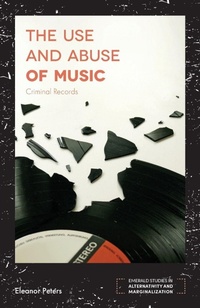
The Use and Abuse of Music
Criminal Records
Published on 23. August 2019
Book
Paperback/Softback
264 pages
978-1-78769-002-8 (ISBN)
Description
Music may not be an obvious area for a criminologist's attention, but there are many areas appropriate for analysis in the relationship between sound, music, rights and harm. The Use and Abuse of Music: Criminal Records explores how music is utilised to include, exclude, dominate and silence.
Analysing the connection between music and crime from an expressly critical criminological perspective, the book is divided into three main parts. Firstly, focusing on the concept of 'harmful' or deviant music, genres such as UK drill music and heavy metal are examined to highlight the connections between certain genres and criminalisation. Moving away from specifics of genre, the second section considers the use of music in war and conflict. Finally, the book reflects on the censorship and silencing of subcultures and individuals through music, highlighting the inequalities surrounding who is permitted to make noise which is often exemplified by racist, sexist and prejudicial actions.
This illuminating exploration of the deviant and transgressive nature of music is ideal for researchers, scholars and students working within the fields of criminology, sociology and musicology.
Analysing the connection between music and crime from an expressly critical criminological perspective, the book is divided into three main parts. Firstly, focusing on the concept of 'harmful' or deviant music, genres such as UK drill music and heavy metal are examined to highlight the connections between certain genres and criminalisation. Moving away from specifics of genre, the second section considers the use of music in war and conflict. Finally, the book reflects on the censorship and silencing of subcultures and individuals through music, highlighting the inequalities surrounding who is permitted to make noise which is often exemplified by racist, sexist and prejudicial actions.
This illuminating exploration of the deviant and transgressive nature of music is ideal for researchers, scholars and students working within the fields of criminology, sociology and musicology.
Reviews / Votes
The author examines the relationship between music and crime from a criminological perspective. She considers music and crime in terms of social harm and the denial of autonomy, development and growth, and access to cultural, intellectual, and informational resources available to society; psychological harms arising from events and behaviors outside a person's control; physical harms, such as death, assault, and brutalization by state officials; and financial harm. She discusses youth musical subcultures viewed as a deviant; violence in music, murder music, that seen as dangerous to young people, and music that incites hatred or prejudice; music used in war and conflict situations; music used to punish or prevent crime, or in other aspects of the criminal justice system; noise pollution; and the censorship of music and musicians. She focuses on popular music and the political and social aspects of noise. -- Copyright 2019 * Portland, OR *More details
Series
Language
English
Place of publication
Bingley
United Kingdom
Target group
Professional and scholarly
Dimensions
Height: 198 mm
Width: 129 mm
Thickness: 14 mm
Weight
285 gr
ISBN-13
978-1-78769-002-8 (9781787690028)
Copyright in bibliographic data and cover images is held by Nielsen Book Services Limited or by the publishers or by their respective licensors: all rights reserved.
Schweitzer Classification
Other editions
Additional editions
E-Book
08/2019
1st Edition
Emerald Publishing Limited
€41.99
Available for download
Person
Eleanor Peters is a Senior Lecturer in Criminology in the Department of Law and Criminology at Edge Hill University, UK. She has extensive experience working as a researcher in the voluntary sector and local government and has authored publications on topics such as youth justice, parenting and the connection between music and crime.
Content
Introduction Part One
1. 'Deviant' Music
2. Murder Music
Part Two
1. Music: Conflict, Manipulation and Torture
2. Music: Punishment, Persecution, Pacification, Patriarchy
Part Three
1. Noise Pollution
2. Censorship
Conclusion
1. 'Deviant' Music
2. Murder Music
Part Two
1. Music: Conflict, Manipulation and Torture
2. Music: Punishment, Persecution, Pacification, Patriarchy
Part Three
1. Noise Pollution
2. Censorship
Conclusion