

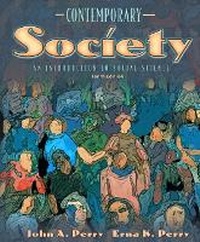
Contemporary Society
An Introduction to Social Science
10th Edition
Published on 27. August 2002
Book
Paperback/Softback
560 pages
978-0-205-35263-0 (ISBN)
Description
This best-selling text offers an overview of how the various social sciences perceive the world around us, emphasizing social change and how it impacts society.
Contemporary Society, Tenth Edition, uses a journalistic writing style, but does not skimp on scholarly data and references. The authors reinforce the idea that the transition from an industrial to a post-industrial order is fraught with difficulties, as was the transition from an agricultural to an industrial order. This framework also illustrates the increasing fragmentation of the social order, which leads people away from community and a common purpose to conflict and dissension.
Contemporary Society, Tenth Edition, uses a journalistic writing style, but does not skimp on scholarly data and references. The authors reinforce the idea that the transition from an industrial to a post-industrial order is fraught with difficulties, as was the transition from an agricultural to an industrial order. This framework also illustrates the increasing fragmentation of the social order, which leads people away from community and a common purpose to conflict and dissension.
More details
Edition
10th edition
Language
English
Place of publication
New York
United States
Publishing group
Taylor & Francis Inc
Target group
Professional and scholarly
Dimensions
Height: 191 mm
Width: 232 mm
Thickness: 20 mm
Weight
830 gr
ISBN-13
978-0-205-35263-0 (9780205352630)
Copyright in bibliographic data and cover images is held by Nielsen Book Services Limited or by the publishers or by their respective licensors: all rights reserved.
Schweitzer Classification
Other editions
New editions

Book
06/2005
11th Edition
Routledge
Unfortunately, price unknown
No shipping information available
Previous edition

Book
09/2000
9th Edition
Routledge
Unfortunately, price unknown
No shipping information available
Content
Each chapter concludes with "The Chapter in Brief," "Terms to Remember," and "Suggested Reading."
1. Through the Lens of Science.
The Social World Seen Through the Lens of Science.
The Scientific Method.
Steps of the Scientific Method.
The Scientific Spirit: Skepticism, Objectivity, Relativity.
The Social Science Disciplines.
Research Methods in the Social Sciences.
2. In the Beginning.
The Beginnings of Life.
The Emergence of the Theory of Evolution. Genetics.
3. Culture: Product and Guide to Life in Society.
Culture: Concept and Importance.
The Symbolic Nature of Culture.
The Most Important System of Symbols: Language.
The Content of Culture.
The Components of Nonmaterial Culture: Cognitive and Normative.
Pivotal Institutions.
Ethnocentrism and Cultural Relativity.
Cultural Differences and Universals.
4. Group Interaction: From Two to Millions.
How Is the Social System Organized and Structured?
The Multiplicity of Statuses and Roles.
Groups.
Primary and Secondary Groups.
Society.
Interaction and Social Processes.
Formal Organizations.
Bureaucracy.
5. Becoming a Person: The Birth of Personality.
Personality.
Becoming Human: Socialization.
Theories of Socialization.
Agents of Socialization.
Socialization Through the Life Cycle.
Some Conclusions.
6. Deviance and Criminality: The Need for Social Control.
Deviance.
The Relative Nature of Deviance.
Explaining Deviance.
Mental Disorders.
Deviance as Seen from a Sociological Perspective.
Crime: Deviance That Hurts.
7. The Great Divide: Ranking and Stratification.
Social Differentiation, Ranking, and Stratification.
Stratification.
Theoretical Views on Stratification.
Dimensions of Stratification: Class, Status, and Power.
Systems of Stratification.
Determining Social Class.
Social Classes in the United States.
Social Class and its Consequences.
Social Mobility.
8. Minority Status: Race and Ethnicity.
Majority and Minority Relations: Defining the Terms.
Common Characteristics of Minorities.
The Making of Pluralist Society.
Majority and Minorities: Processes of Coexistence.
In the Way: Obstacles to Pluralism.
Racial Minorities.
Ethnic and Religious Minorities.
The New Face of America.
9. Minority Status: Age, Gender, and Sexuality.
The Aging Society.
Women: Differentiation According to Gender.
The Cultural Construction of Gender.
Sexuality.
10. From the Plow to the Computer: Change, Collective Behavior, and Social Movements.
Society and Change.
Processes of Social and Cultural Change.
The Industrial Revolution.
Modernization.
Collective Behavior.
Social Movements.
Revolutionary Movements.
11. Population, Urbanization, and Environment.
Demographic Processes: Dynamics of Population Change.
Characteristics and Composition of a Population.
Population Around the World.
Demographic Transition.
Zero Population Growth.
Population Policies.
The Urban Society.
Urbanization.
The Industrial Revolution and the Growth of Cities.
American Cities.
Metropolitanization and Megalopolis.
The Urban Crisis.
Attempts to Reclaim the City.
The Natural Environment.
12. Pivotal Institutions: Marriage and The Family.
The Basic Institution: The Family.
Marriage.
Divorce.
The New American Family.
Some Unintended Effects of the Changing American Family.
13. Pivotal Institutions: Religion and Education.
The Great Religions of the World.
Religion in The Social Sciences.
Religion and Social Control.
The Institutional Context.
Common Features of Religions.
Religion in America.
Education.
14. Government: The Institution and the Ideologies that Underlie It.
The Institution of Government.
Government and Politics.
Political Power: Legitimacy and Authority.
The State.
The Nation-State.
The Ideologies Behind the State.
Autocratic Ideologies.
Democratic Ideologies: Democracy.
Socialism.
15. The Government of the United States of America.
The Constitutional Convention.
What Is a Constitution?
The Constitution of the United States.
Separation of Powers.
The Presidency: The Executive Branch.
Congress: The Legislative Branch.
The Supreme Court: The Judicial Branch.
The Importance of Limited Government.
16. Democracy in Action: We the People.
American Democracy.
How Is America Governed?
Interest Groups.
Political Parties.
The High Cost of Campaigning.
Voting.
Political Opinion Making.
17. The Economy: Concepts and History.
The Economic Institution.
Contemporary Economic Systems: How Choices are Made Western Economies in Historical Perspective.
Aspects of Industrial Capitalism.
The Nature of Work in the Industrial Society.
The Corporate Bureaucracy.
The American Labor Movement.
American Labor and the Global Economy.
18. Principles of Economic Behavior: Microeconomics and Macroeconomics.
The Small Picture and the Large Picture.
Market Mechanisms.
Market Forces.
A Macroview.
Instruments of Public Policy.
Fiscal Policy.
Monetary Policy.
Incomes Policy.
Fitting Into the Global Economy.
19. Nation Among Nations: Perspectives on International Relations.
Regions of the World.
Theoretical Perspectives.
Contemporary Perspectives.
Participants in the International System.
The Goals of States.
Means of Achieving Goals: Foreign Policy.
The Role of Ideology.
Instruments of Foreign Policy.
Diplomacy and Diplomats.
Power.
The Balance of Power System.
1. Through the Lens of Science.
The Social World Seen Through the Lens of Science.
The Scientific Method.
Steps of the Scientific Method.
The Scientific Spirit: Skepticism, Objectivity, Relativity.
The Social Science Disciplines.
Research Methods in the Social Sciences.
2. In the Beginning.
The Beginnings of Life.
The Emergence of the Theory of Evolution. Genetics.
3. Culture: Product and Guide to Life in Society.
Culture: Concept and Importance.
The Symbolic Nature of Culture.
The Most Important System of Symbols: Language.
The Content of Culture.
The Components of Nonmaterial Culture: Cognitive and Normative.
Pivotal Institutions.
Ethnocentrism and Cultural Relativity.
Cultural Differences and Universals.
4. Group Interaction: From Two to Millions.
How Is the Social System Organized and Structured?
The Multiplicity of Statuses and Roles.
Groups.
Primary and Secondary Groups.
Society.
Interaction and Social Processes.
Formal Organizations.
Bureaucracy.
5. Becoming a Person: The Birth of Personality.
Personality.
Becoming Human: Socialization.
Theories of Socialization.
Agents of Socialization.
Socialization Through the Life Cycle.
Some Conclusions.
6. Deviance and Criminality: The Need for Social Control.
Deviance.
The Relative Nature of Deviance.
Explaining Deviance.
Mental Disorders.
Deviance as Seen from a Sociological Perspective.
Crime: Deviance That Hurts.
7. The Great Divide: Ranking and Stratification.
Social Differentiation, Ranking, and Stratification.
Stratification.
Theoretical Views on Stratification.
Dimensions of Stratification: Class, Status, and Power.
Systems of Stratification.
Determining Social Class.
Social Classes in the United States.
Social Class and its Consequences.
Social Mobility.
8. Minority Status: Race and Ethnicity.
Majority and Minority Relations: Defining the Terms.
Common Characteristics of Minorities.
The Making of Pluralist Society.
Majority and Minorities: Processes of Coexistence.
In the Way: Obstacles to Pluralism.
Racial Minorities.
Ethnic and Religious Minorities.
The New Face of America.
9. Minority Status: Age, Gender, and Sexuality.
The Aging Society.
Women: Differentiation According to Gender.
The Cultural Construction of Gender.
Sexuality.
10. From the Plow to the Computer: Change, Collective Behavior, and Social Movements.
Society and Change.
Processes of Social and Cultural Change.
The Industrial Revolution.
Modernization.
Collective Behavior.
Social Movements.
Revolutionary Movements.
11. Population, Urbanization, and Environment.
Demographic Processes: Dynamics of Population Change.
Characteristics and Composition of a Population.
Population Around the World.
Demographic Transition.
Zero Population Growth.
Population Policies.
The Urban Society.
Urbanization.
The Industrial Revolution and the Growth of Cities.
American Cities.
Metropolitanization and Megalopolis.
The Urban Crisis.
Attempts to Reclaim the City.
The Natural Environment.
12. Pivotal Institutions: Marriage and The Family.
The Basic Institution: The Family.
Marriage.
Divorce.
The New American Family.
Some Unintended Effects of the Changing American Family.
13. Pivotal Institutions: Religion and Education.
The Great Religions of the World.
Religion in The Social Sciences.
Religion and Social Control.
The Institutional Context.
Common Features of Religions.
Religion in America.
Education.
14. Government: The Institution and the Ideologies that Underlie It.
The Institution of Government.
Government and Politics.
Political Power: Legitimacy and Authority.
The State.
The Nation-State.
The Ideologies Behind the State.
Autocratic Ideologies.
Democratic Ideologies: Democracy.
Socialism.
15. The Government of the United States of America.
The Constitutional Convention.
What Is a Constitution?
The Constitution of the United States.
Separation of Powers.
The Presidency: The Executive Branch.
Congress: The Legislative Branch.
The Supreme Court: The Judicial Branch.
The Importance of Limited Government.
16. Democracy in Action: We the People.
American Democracy.
How Is America Governed?
Interest Groups.
Political Parties.
The High Cost of Campaigning.
Voting.
Political Opinion Making.
17. The Economy: Concepts and History.
The Economic Institution.
Contemporary Economic Systems: How Choices are Made Western Economies in Historical Perspective.
Aspects of Industrial Capitalism.
The Nature of Work in the Industrial Society.
The Corporate Bureaucracy.
The American Labor Movement.
American Labor and the Global Economy.
18. Principles of Economic Behavior: Microeconomics and Macroeconomics.
The Small Picture and the Large Picture.
Market Mechanisms.
Market Forces.
A Macroview.
Instruments of Public Policy.
Fiscal Policy.
Monetary Policy.
Incomes Policy.
Fitting Into the Global Economy.
19. Nation Among Nations: Perspectives on International Relations.
Regions of the World.
Theoretical Perspectives.
Contemporary Perspectives.
Participants in the International System.
The Goals of States.
Means of Achieving Goals: Foreign Policy.
The Role of Ideology.
Instruments of Foreign Policy.
Diplomacy and Diplomats.
Power.
The Balance of Power System.