

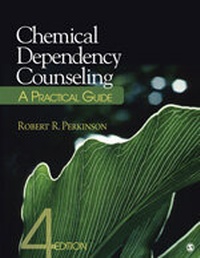
Chemical Dependency Counseling
A Practical Guide
4th Edition
Published on 10. August 2011
Book
Paperback/Softback
880 pages
978-1-4129-7921-4 (ISBN)
Description
This volume is the most comprehensive guide for counselors and front-line professionals who work with the chemically dependant in a variety of settings. It is a basic introduction that guides the counselor through treatment from A to Z.
Chapters cover the gamut of treatment issues, including developing the therapeutic alliance, screening, detoxification, biopsychosocial assessment, dual-diagnosis, patient orientation, treatment planning, individual therapy, group therapy, case management, crisis intervention, referral, record keeping, discharge planning, and referral. Author Robert R. Perkinson provides case studies and step-by-step instructions with clear explanations and procedures that counselors need to use in all phases of patient care.
One of the key features of this volume is the inclusion of over 50 appendices, which includes screening questionnaires, scales, history assessments, personal recovery plans, in-patient and out-patient schedules, and many, many more. The new edition includes more appendicies and updates of existing ones.
Inclusion of issues of diversity and working with diverse clients
Discussion of new treatment for addiction with detailed plan
New discussion of relapse triggers, including negative emotions, social pressure, interpersonal conflict and the recovery community.
New discussion of co-occuring disorders
Chapters cover the gamut of treatment issues, including developing the therapeutic alliance, screening, detoxification, biopsychosocial assessment, dual-diagnosis, patient orientation, treatment planning, individual therapy, group therapy, case management, crisis intervention, referral, record keeping, discharge planning, and referral. Author Robert R. Perkinson provides case studies and step-by-step instructions with clear explanations and procedures that counselors need to use in all phases of patient care.
One of the key features of this volume is the inclusion of over 50 appendices, which includes screening questionnaires, scales, history assessments, personal recovery plans, in-patient and out-patient schedules, and many, many more. The new edition includes more appendicies and updates of existing ones.
Inclusion of issues of diversity and working with diverse clients
Discussion of new treatment for addiction with detailed plan
New discussion of relapse triggers, including negative emotions, social pressure, interpersonal conflict and the recovery community.
New discussion of co-occuring disorders
Reviews / Votes
"In Chemical Dependency Counseling Dr. Perkinson has given the addictions counseling profession an exceptional foundational text, now in the fourth edition. Students and experienced professionals will find resources that are clinically sound and practice relevant. CDC continues to be welcomed in my classroom and "heavily borrowed" by my colleagues."Don P. Osborn
President of NAADAC
Director& Professor of Graduate Addictions Counseling
Executive Director of the Addictions Studies Center
Indiana Wesleyan University -- Don P. Osborn "The addiction field has long needed a comprehensive set of exercises counselors could use to guide patients through good treatment. The workbooks developed by Dr. Perkinson take the patient from the beginning of treatment to the end. They are written in such a manner that Dr. Perkinson is your mentor and is conversing with you, sharing with you his vast area of expertise and knowledge about recovery. These patient exercises meet the highest standards demanded by accrediting bodies." -- Dr. Bob Carr "I have been working with compulsive gamblers and their family members for 12 years and find this work extremely rewarding and challenging. I have been utilizing Dr. Perkinson's workbooks for 10 years and have found them to be some of the most useful tools in helping addicts and gamblers identify the many ways that addiction has impacted their lives. Our clients benefit from the straightforward approach of the workbooks and the clear instructions of how to begin incorporating a 12-step recovery program into their lives. I highly recommend Dr Perkinson's workbooks." -- Lisa Vig "I have been in the chemical dependency field for over 28 years. I have worked as a counselor, clinical supervisor and executive director in a number of treatment centers. These are the best exercises for alcoholics, drug addicts and problem gamblers that I have ever seen. I have used them for years and patients find them easy to understand. The material covers everything an addict needs to know to enter a stable recovery. I highly recommend these patient handbooks. Patients love them and they make the counselor's job easy. The book makes the job easy as all you will need to help your patient is in one place." -- Bob Bogue "Dr. Perkinson does an excellent job of bringing together and individualizing 12 step treatment for addicts and gamblers including identifying character defects and relapse prevention. Comments from patients include, 'it has opened my eyes to my gambling and behaviors associated with it' and 'I feel it is easy to work and very self explanatory.'" -- Ron Scherr
More details
Edition
4th Revised edition
Language
English
Place of publication
Thousand Oaks
United States
Target group
College/higher education
Edition type
Revised edition
Dimensions
Height: 279 mm
Width: 216 mm
Weight
1616 gr
ISBN-13
978-1-4129-7921-4 (9781412979214)
Copyright in bibliographic data and cover images is held by Nielsen Book Services Limited or by the publishers or by their respective licensors: all rights reserved.
Schweitzer Classification
Other editions
New editions
Book
11/2016
5th Edition
SAGE Publications Inc
€170.84
Article exhausted; check for reprint
Person
Robert R. Perkinson is the clinical director of Keystone Treatment Center in Canton, South Dakota. He is a licensed psychologist; licensed marriage & family therapist; internationally certified alcohol and drug counselor; South Dakota certified chemical dependency counselor, Level III; and a nationally certified gambling counselor and supervisor. His specialty areas focus on treating alcoholics, addicts, and pathological gamblers. He is the author of Chemical Dependency Counseling: A Practical Guide (2nd ed.) (2003a), which is the leading treatment manual in the world for chemical dependency counselors. With Dr. Arthur E. Jongsma Jr. (2001) he is the coauthor of The Addiction Treatment Planner, which is the best-selling treatment planner and computer software program for mental health and addiction professionals. He has also written The Alcoholism and Drug Abuse Patient Workbook (2003c) and the Gambling Addiction Patient Workbook (2003b). These workbooks have all of the exercises patients need to enter a stable recovery. His book entitled Treating Alcoholism: How to Help Your Clients Enter Recovery (2004) trains professionals how to treat patients with alcohol problems. He is the author of the book God Talks to You (2000) and the meditation tape A Communication from God (2008) by cdbaby, which help addicts make their first conscious contact with a Higher Power of their own understanding. He is a composer and has completed his second CD, Peace Will Come, music that helps addicts learn the essentials of a spiritual journey. With Dr. Jean LaCour (2004), he wrote the Faith-Based Addiction Curriculum to teach professionals of faith how to treat addiction. Dr. Perkinson is an international motivational speaker and regular contributor to numerous professional journals. He is the webmaster of several web pages, including www.robertperkinson.com, www.alcoholismtreatment.org, and www.godtalkstoyou.com, where he gets over 2.6 million hits a year and answers questions on addiction for free. His biographies can be found in Who's Who in America, Who's Who in Medicine and Healthcare, Who's Who in Science and Engineering, and Who's Who in the World.
Content
Acknowledgements
Preface
1. The First Contact
2. The Drugs
3. The First Hours of Treatment
4. The Biopsychosocial Interview
5. The Treatment Plan
6. Individual Treatment
7. Group Therapy
8. Recovery Skills
9. The Steps
10. The Lectures
11. Special Issues
12. Adolescent Treatment
13. The Family Program
14. The Clinical Staff
15. Discharge Summary and Continuing Care
16. The Good Counselor
Appendix 1 - Cognitive Capacity Screening Examination
Appendix 2 - Short Michigan Alcoholism Screening Test
Appendix 3 - DSM-IV TR Psychoactive Substance Use Disorder
Appendix 4 - Alcohol Withdrawal Scale
Appendix 5 - Narcotic Withdrawal Scale
Appendix 6 - Sample Biopsychosoical
Appendix 7 - Chemical Use History
Appendix 8 - Honesty
Appendix 9 - Love, Trust, and Commitment
Appendix 10 - Feelings
Appendix 11 - Relationship Skills
Appendix 12 - Addictive Relationships
Appendix 13 - Communication Skills
Appendix 14 - Self-Discipline
Appendix 15 - Impulse Control
Appendix 16 - Relapse Prevention
Appendix 17 - Step One
Appendix 18 - Step Two
Appendix 19 - Step Three
Appendix 20 - Step Four
Appendix 21 - Step Five
Appendix 22 - Adolescent Unit Level System
Appendix 23 - Peer Pressure
Appendix 24 - The Behavioral Contract
Appendix 25 - Family Questionaire
Appendix 26 - Codependency
Appendix 27 - Personal Recovery Plan
Appendix 28 - Sample Discharge Summary
Appendix 29 - Stress Management
Appendix 30 - Hamilton Depression Rating
Appendix 31 - Biopsychosocial Assessment
Appendix 32 - Anger Management
Appendix 33 - Narcissism
Appendix 34 - Honesty for Gamblers
Appendix 35 - Step One for Gamblers
Appendix 36 - Step Two for Gamblers
Appendix 37 - Step Three for Gamblers
Appendix 38 - Step Four for Gamblers
Appendix 39 - Step Five for Gamblers
Appendix 40 - Relapse Prevention
Appendix 41 - Adolescent Unit Point System
Appendix 42 - Results from the 2008 National Survey on Drug Use and Health
Appendix 43 - Drug Categories for Substances of Abuse
Appendix 44 - Adult Inpatient Program Schedule
Appendix 45 - Adolescent Inpatient Program Schedule
Appendix 46 - Adult Outpatient Program Schedule
Appendix 47 - Adolescent Outpatient Program Schedule
Appendix 48 - Gambling Inpatient Program Schedule
Appendix 49 - Gambling Outpatient Program Schedule
Appendix 50 - Day Treatment Program Schedule
Appendix 51 - Pressure Relief Group Meeting and Budget Form
Appendix 52 - Heroin
Appendix 53 - South Oaks Gambling Screen
Appendix 54 - Barriers in Thinking
Appendix 55 - Psychiatric Medications
Appendix 56 - Drug Abuse Screening Test (DAST)
Appendix 57 - Clinical Opiate Withdrawal Scale (COWS)
Appendix 58 - Adult Nurses Intake
Appendix 59 - Adolescent Nurses Intake
Appendix 60 - American Cancer Society Guide to Quitting Smoking
Appendix 61 - PTSD Checklist Civilian Version (PCL)
Appendix 62 - PTSD Checklist Military Version (PCL)
Appendix 63 - Alcohol Abstinenece Self-Efficacy Scale
Appendix 64 - Hamilton Anxiety Rating Scale (HAM-A)
Appendix 65 - Strengths, Needs, Abilities & Preferences
Appendix 66 - Daily Craving Record
Appendix 67 - NAADAC Code of Ethics
Appendix 68 - Gambling History
References
Preface
1. The First Contact
2. The Drugs
3. The First Hours of Treatment
4. The Biopsychosocial Interview
5. The Treatment Plan
6. Individual Treatment
7. Group Therapy
8. Recovery Skills
9. The Steps
10. The Lectures
11. Special Issues
12. Adolescent Treatment
13. The Family Program
14. The Clinical Staff
15. Discharge Summary and Continuing Care
16. The Good Counselor
Appendix 1 - Cognitive Capacity Screening Examination
Appendix 2 - Short Michigan Alcoholism Screening Test
Appendix 3 - DSM-IV TR Psychoactive Substance Use Disorder
Appendix 4 - Alcohol Withdrawal Scale
Appendix 5 - Narcotic Withdrawal Scale
Appendix 6 - Sample Biopsychosoical
Appendix 7 - Chemical Use History
Appendix 8 - Honesty
Appendix 9 - Love, Trust, and Commitment
Appendix 10 - Feelings
Appendix 11 - Relationship Skills
Appendix 12 - Addictive Relationships
Appendix 13 - Communication Skills
Appendix 14 - Self-Discipline
Appendix 15 - Impulse Control
Appendix 16 - Relapse Prevention
Appendix 17 - Step One
Appendix 18 - Step Two
Appendix 19 - Step Three
Appendix 20 - Step Four
Appendix 21 - Step Five
Appendix 22 - Adolescent Unit Level System
Appendix 23 - Peer Pressure
Appendix 24 - The Behavioral Contract
Appendix 25 - Family Questionaire
Appendix 26 - Codependency
Appendix 27 - Personal Recovery Plan
Appendix 28 - Sample Discharge Summary
Appendix 29 - Stress Management
Appendix 30 - Hamilton Depression Rating
Appendix 31 - Biopsychosocial Assessment
Appendix 32 - Anger Management
Appendix 33 - Narcissism
Appendix 34 - Honesty for Gamblers
Appendix 35 - Step One for Gamblers
Appendix 36 - Step Two for Gamblers
Appendix 37 - Step Three for Gamblers
Appendix 38 - Step Four for Gamblers
Appendix 39 - Step Five for Gamblers
Appendix 40 - Relapse Prevention
Appendix 41 - Adolescent Unit Point System
Appendix 42 - Results from the 2008 National Survey on Drug Use and Health
Appendix 43 - Drug Categories for Substances of Abuse
Appendix 44 - Adult Inpatient Program Schedule
Appendix 45 - Adolescent Inpatient Program Schedule
Appendix 46 - Adult Outpatient Program Schedule
Appendix 47 - Adolescent Outpatient Program Schedule
Appendix 48 - Gambling Inpatient Program Schedule
Appendix 49 - Gambling Outpatient Program Schedule
Appendix 50 - Day Treatment Program Schedule
Appendix 51 - Pressure Relief Group Meeting and Budget Form
Appendix 52 - Heroin
Appendix 53 - South Oaks Gambling Screen
Appendix 54 - Barriers in Thinking
Appendix 55 - Psychiatric Medications
Appendix 56 - Drug Abuse Screening Test (DAST)
Appendix 57 - Clinical Opiate Withdrawal Scale (COWS)
Appendix 58 - Adult Nurses Intake
Appendix 59 - Adolescent Nurses Intake
Appendix 60 - American Cancer Society Guide to Quitting Smoking
Appendix 61 - PTSD Checklist Civilian Version (PCL)
Appendix 62 - PTSD Checklist Military Version (PCL)
Appendix 63 - Alcohol Abstinenece Self-Efficacy Scale
Appendix 64 - Hamilton Anxiety Rating Scale (HAM-A)
Appendix 65 - Strengths, Needs, Abilities & Preferences
Appendix 66 - Daily Craving Record
Appendix 67 - NAADAC Code of Ethics
Appendix 68 - Gambling History
References