

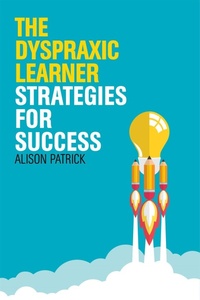
The Dyspraxic Learner
Strategies for Success
Published on 21. March 2015
Book
Paperback/Softback
192 pages
978-1-84905-594-9 (ISBN)
Description
With a wealth of practical strategies for teaching and supporting students with dyspraxia aged from 11 years up to college or university level, this book addresses all aspects of learning and ways in which teaching can be tailored to the dyspraxic learner.
By exploring dyspraxia and its physical, emotional, psychological and social impacts on learning, the author shares tried-and-tested strategies for ensuring that students with dyspraxia achieve their full potential. This book covers a wide range of topics, such as research and study skills, improving memory, teaching literacy, visual and auditory learning styles, dealing with sleeplessness, stress, low self-esteem and anxiety, and preparing for future employment. Teachers will have a greater understanding of dyspraxia, and feel confident in helping students with dyspraxia to overcome educational challenges.
Teachers, lecturers, tutors and SENCOs will find this book useful, and it will also be of interest to students with dyspraxia who are looking for ways to help themselves with their school or university work.
By exploring dyspraxia and its physical, emotional, psychological and social impacts on learning, the author shares tried-and-tested strategies for ensuring that students with dyspraxia achieve their full potential. This book covers a wide range of topics, such as research and study skills, improving memory, teaching literacy, visual and auditory learning styles, dealing with sleeplessness, stress, low self-esteem and anxiety, and preparing for future employment. Teachers will have a greater understanding of dyspraxia, and feel confident in helping students with dyspraxia to overcome educational challenges.
Teachers, lecturers, tutors and SENCOs will find this book useful, and it will also be of interest to students with dyspraxia who are looking for ways to help themselves with their school or university work.
Reviews / Votes
Organised around easy-to-use lists, The Dyspraxic Learner provides an eclectic mixture of study tips for students with dyspraxia and their teachers. The clear explanations of common dyspraxic difficulties should make it an ideal introduction for teaching and support staff new to this area. -- Victoria Biggs, author of Caged in Chaos: A Dyspraxic Guide to Breaking Free I loved this book from the first paragraph. It is comprehensive, well-researched and grounded in reality. Alison describes the subtleties and complexities of dyspraxia brilliantly and illustrates that it is very much more than a motor difficulty and impacts greatly in every area of life. A welcome addition to any book shelf but a MUST read for anyone who can affect the progress of a person's educational career and emotional well-being. -- Gill M. Dixon, Vice Chair, The Dyspraxia FoundationMore details
Language
English
Place of publication
London
United Kingdom
Target group
Primary & secondary/elementary & high school
Product notice
Paperback (UK-trade)
Dimensions
Height: 154 mm
Width: 228 mm
Thickness: 11 mm
Weight
288 gr
ISBN-13
978-1-84905-594-9 (9781849055949)
Copyright in bibliographic data and cover images is held by Nielsen Book Services Limited or by the publishers or by their respective licensors: all rights reserved.
Schweitzer Classification
Other editions
Additional editions
E-Book
03/2015
Jessica Kingsley Publishers
€25.99
Available for download
Person
Alison Patrick is an SpLD tutor for students with dyspraxia/DCD and dyslexia, and an ADHD and Autism coach. She has extensive experience of SEND in schools, colleges and universities. She has also designed and presented PATOSS webinars on SpLDs for SEN teachers, students and parents.
Content
Acknowledgements. Introduction. 1. Understanding Dyspraxia. 2. Physical Dyspraxia. 3. Literacy Strategies. 4. Effective Study Skills. 5. The Dyspraxic Mind: Neurological Effects. 6. The Dyspraxic Mind: Emotional Consequences. 7. Preparing for Work. Conclusion. References.