

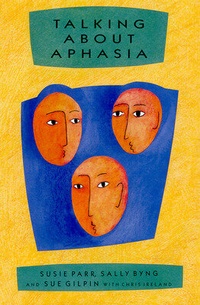
Talking About Aphasia
Published on 1. October 1997
Book
Other book format
978-0-335-23251-2 (ISBN)
Unfortunately, price unknown
Available (delivery time upon request)
Not available
Description
'This book is a wonderful idea and it meets a heretofore unmet need. It derives from a particularly interesting database, since it deals with aphasia in aphasic people's own language.It is strongly recommended.'
Professor Audrey Holland, Department of Speech Pathology, University of Arizona, USAThis book is about living with aphasia - a language impairment which can result from stroke. Drawing on in-depth interviews with fifty aphasic people, it explores the experience of aphasia from the dramatic onset of stroke and loss of language to the gradual revelation of its long-term consequences. The story is told from the perspective of aphasic people themselves. They describe the impact of aphasia upon their employment, education, leisure activities, finances, personal relationships and identity. They describe their changing needs and how well these have been met by health, social care and other services. They talk about what aphasia means to them, the barriers encountered in everyday life and how they cope. The book offers a unique insight into the struggle of living with aphasia, combining startlingly unusual language with a clear interlinking text.
Professor Audrey Holland, Department of Speech Pathology, University of Arizona, USAThis book is about living with aphasia - a language impairment which can result from stroke. Drawing on in-depth interviews with fifty aphasic people, it explores the experience of aphasia from the dramatic onset of stroke and loss of language to the gradual revelation of its long-term consequences. The story is told from the perspective of aphasic people themselves. They describe the impact of aphasia upon their employment, education, leisure activities, finances, personal relationships and identity. They describe their changing needs and how well these have been met by health, social care and other services. They talk about what aphasia means to them, the barriers encountered in everyday life and how they cope. The book offers a unique insight into the struggle of living with aphasia, combining startlingly unusual language with a clear interlinking text.
More details
Persons
Susie Parr and Sally Byng are speech and language therapists who have worked both clinically and in research with aphasic people. Sue Gilpin and Chris Ireland both trained and worked as teachers. Both had strokes which left them with aphasia.
Content
Foreword
Preface
What is aphasia?
'Is frightened. Is frightened'
the early experience of stroke and aphasia
'The thing is - what job?'
work, leisure and aphasia
'Can I get a word in edgeways?'
family, friends and aphasia
'Lost in the undertow'
health, social care and voluntary services for people with aphasia
'Everything seems a secret'
information and aphasia
'Doing the inside work'
the meaning of aphasia
'They cannot see it so how will they know?'
aphasia and disability
'I'm fed up of saying I'm sorry'
learning to live with aphasia
Appendix 1 - About the project
Further reading.
Preface
What is aphasia?
'Is frightened. Is frightened'
the early experience of stroke and aphasia
'The thing is - what job?'
work, leisure and aphasia
'Can I get a word in edgeways?'
family, friends and aphasia
'Lost in the undertow'
health, social care and voluntary services for people with aphasia
'Everything seems a secret'
information and aphasia
'Doing the inside work'
the meaning of aphasia
'They cannot see it so how will they know?'
aphasia and disability
'I'm fed up of saying I'm sorry'
learning to live with aphasia
Appendix 1 - About the project
Further reading.