

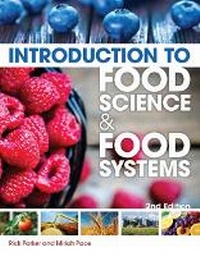
Introduction to Food Science and Food Systems
2nd Edition
Will be published approx. on 26. February 2016
Book
Hardback
640 pages
978-1-4354-8939-4 (ISBN)
Description
INTRODUCTION TO FOOD SCIENCE AND FOOD SYSTEMS, 2nd Edition explores the foundations of the food industry, from nutrition and chemistry to processing and safety, and delves into some of the most pressing foodborne issues of our day. As the world grapples with critical issues such as hunger and GMOs, opportunities abound in agriculture and food science careers, and INTRODUCTION TO FOOD SCIENCE AND FOOD SYSTEMS, 2nd Edition gives you the knowledge and skills required for success. Laced with full-color images, drawings, charts, and graphs, chapters deliver the latest information on genetically engineered foods, environmental concerns and sustainability, food needs of the world, the impacts of food on health, and more. INTRODUCTION TO FOOD SCIENCE AND FOOD SYSTEMS, 2nd Edition also tests your understanding of concepts with practical, hands-on activities in math, science and other key areas. Written with your future in mind, readings also correlate with National Agricultural Education Standards and FFA Career Development Events (CDEs) to prepare you for a meaningful career in today's agriscience industry.
More details
Edition
2nd edition
Language
English
Place of publication
Clifton Park
United States
Publishing group
Cengage Learning, Inc
Target group
College/higher education
Dimensions
Height: 33 mm
Width: 223 mm
Thickness: 279 mm
Weight
1724 gr
ISBN-13
978-1-4354-8939-4 (9781435489394)
Copyright in bibliographic data and cover images is held by Nielsen Book Services Limited or by the publishers or by their respective licensors: all rights reserved.
Schweitzer Classification
Persons
Rick Parker is President of the National Agricultural Institute and Director of the National Association of Colleges and Teachers of Agriculture (NACTA). Formerly a division director and instructor at the College of Southern Idaho for two decades, he taught biology, food science, and animal science. He also worked as the Director for AgroKnowledge, the National Center for Agriscience and Technology Education, a project funded by the National Science Foundation. Currently, Dr. Parker is also the Editor for the peer-reviewed NACTA Journal, which focuses on of teaching and learning scholarship. An experienced author, Dr. Parker has published a number of Cengage Learning texts, including Aquaculture Science, Introduction to Plant Science, Fundamentals of Plant and Soil Science, Introduction to Food Science, and Equine Science. He also co-authored Fundamentals of Plant Science. Miriah Pace works with Dr. Parker at the National Agricultural Institute, where she develops and maintains websites, develops curricula, and edits NACTA Journal.
Content
Preface.
Section 1: INTRODUCTION AND BACKGROUND.
1. Overview of Food Science.
2. Food System and Sustainability.
3. Chemistry of Foods.
4. Nutrition and Digestion.
5. Food Composition.
6. Quality Factors in Foods.
7. Unit Operations in Food Processing.
8. Food Deterioration.
Section 2: PRESERVATION.
9. Heat.
10. Cold.
11. Drying and Dehydration.
12. Radiant and Electrical Energy.
13. Fermentation, Microorganisms, and Biotechnology.
14. Food Chemistry.
15. Packaging.
Section 3: FOODS AND FOOD PRODUCTS.
16. Milk.
17. Meat.
18. Poultry and Eggs.
19. Fish and Shellfish.
20. Cereal Grains, Legumes, and Oilseeds.
21. Fruits and Vegetables.
22. Fats and Oils.
23. Candies and Confectionary.
24. Beverages.
Section 4: RELATED ISSUES.
25. Environmental Concerns and Processing.
26. Food Safety.
27. Regulations and Labeling.
28. World Food Needs.
29. Food and Health.
30. Careers in Food Science.
Appendix A: Chemistry Review.
Appendix B: Reference Tables.
Appendix C: Harvesting and Storing Fruits, Nuts, and Vegetables.
Glossary.
Section 1: INTRODUCTION AND BACKGROUND.
1. Overview of Food Science.
2. Food System and Sustainability.
3. Chemistry of Foods.
4. Nutrition and Digestion.
5. Food Composition.
6. Quality Factors in Foods.
7. Unit Operations in Food Processing.
8. Food Deterioration.
Section 2: PRESERVATION.
9. Heat.
10. Cold.
11. Drying and Dehydration.
12. Radiant and Electrical Energy.
13. Fermentation, Microorganisms, and Biotechnology.
14. Food Chemistry.
15. Packaging.
Section 3: FOODS AND FOOD PRODUCTS.
16. Milk.
17. Meat.
18. Poultry and Eggs.
19. Fish and Shellfish.
20. Cereal Grains, Legumes, and Oilseeds.
21. Fruits and Vegetables.
22. Fats and Oils.
23. Candies and Confectionary.
24. Beverages.
Section 4: RELATED ISSUES.
25. Environmental Concerns and Processing.
26. Food Safety.
27. Regulations and Labeling.
28. World Food Needs.
29. Food and Health.
30. Careers in Food Science.
Appendix A: Chemistry Review.
Appendix B: Reference Tables.
Appendix C: Harvesting and Storing Fruits, Nuts, and Vegetables.
Glossary.