

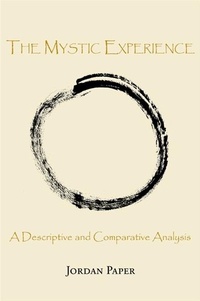
The Mystic Experience
A Descriptive and Comparative Analysis
Published on 14. October 2004
Book
Paperback/Softback
184 pages
978-0-7914-6250-8 (ISBN)
Description
Explores the human experience of mysticism and looks at it within the spiritual traditions around the world.
The mystic, zero, or void experience-the ecstatic disappearance of self along with everything else-is considered by those who have had it to be the most beautiful, blissful, positive, profound, and significant experience of their lives. Offering both a descriptive and a comparative perspective, this book explores the mystic experience across cultures as both a human and cultural event. The book begins and ends with descriptions of the author's own mystical experiences, and looks at self-reported experiences by individuals who do not link their experiences to a religious tradition, to determine characteristics of this universal human experience.
These characteristics are compared to statements of acknowledged mystics in diverse religious traditions. The mystic experience is also situated within other ecstatic religious experiences to distinguish it from similar, but distinct, experiences such as lucid dreams, shamanism, and mediumism. Jordan Paper goes on to look at how the mystic experience has been considered in various fields, such as sociology, psychology, anthropology, biology, and comparative religious studies.
The mystic, zero, or void experience-the ecstatic disappearance of self along with everything else-is considered by those who have had it to be the most beautiful, blissful, positive, profound, and significant experience of their lives. Offering both a descriptive and a comparative perspective, this book explores the mystic experience across cultures as both a human and cultural event. The book begins and ends with descriptions of the author's own mystical experiences, and looks at self-reported experiences by individuals who do not link their experiences to a religious tradition, to determine characteristics of this universal human experience.
These characteristics are compared to statements of acknowledged mystics in diverse religious traditions. The mystic experience is also situated within other ecstatic religious experiences to distinguish it from similar, but distinct, experiences such as lucid dreams, shamanism, and mediumism. Jordan Paper goes on to look at how the mystic experience has been considered in various fields, such as sociology, psychology, anthropology, biology, and comparative religious studies.
More details
Series
Language
English
Place of publication
Albany, NY
United States
Target group
College/higher education
US School Grade: College Graduate Student and over
Product notice
Paperback (trade)
Dimensions
Height: 221 mm
Width: 157 mm
Thickness: 11 mm
Weight
254 gr
ISBN-13
978-0-7914-6250-8 (9780791462508)
Copyright in bibliographic data and cover images is held by Nielsen Book Services Limited or by the publishers or by their respective licensors: all rights reserved.
Schweitzer Classification
Other editions
Additional editions
E-Book
02/2012
1st Edition
De Gruyter
€35.49
Available for download
Person
Jordan Paper is Professor Emeritus of Humanities at York University and Associate Fellow at the Centre for Studies in Religion and Society at the University of Victoria. He has written several books, including Offering Smoke: The Sacred Pipe and Native American Religion and The Chinese Way in Religion, Second Edition (coedited with Laurence G. Thompson).
Content
Preface
Acknowledgments
1. Introduction
An Event
General Characteristics of the "Event"
A Name for the Experience
The Mystic Experience in Cultural Context
A Caution to Readers
2. Phenomenology (Descriptive Analysis) of the Mystic Experience
Naive Reports
Reports by "Professional" Mystics
Conclusions
3. The Varieties of Ecstatic Experience
Human Nature and Ecstatic Experiences
Functional Ecstasies
Visions, Lucid Dreams, and Problem-Solving
Dreams
Shamanism
Mediumism
Prophecy
Nonfunctional Ecstasies
Unitive Experiences
Pure Consciousness
The Mystic Experience
4. Previous Studies
Philosophical Analyses
Psychological Analyses
Sociological Analyses
Anthropological Analyses
Combined Approaches: Anthropology and Psychology
Biological Analyses
Near-Death Experience Studies
Comparative Religion Studies
5. Ethnohermeneutics I: Non-West
Shamanistic and Mediumistic Traditions
South Asia
The Upanishads
Hinduism
Buddhism
Chinese Religion
6. Ethnohermeneutics II: West
Plotinus
Judaism
Christianity
Catholicism
Orthodoxy
Islam
Modern "Secular" Mysticism
Cosmic Consciousness
Absolute Consciousness
7. Conclusions: The Mystic Experience and Human Nature
A Phenomenological Assessment
Comparative Ethnohermeneutics
Summary
Works Consulted
Index
Acknowledgments
1. Introduction
An Event
General Characteristics of the "Event"
A Name for the Experience
The Mystic Experience in Cultural Context
A Caution to Readers
2. Phenomenology (Descriptive Analysis) of the Mystic Experience
Naive Reports
Reports by "Professional" Mystics
Conclusions
3. The Varieties of Ecstatic Experience
Human Nature and Ecstatic Experiences
Functional Ecstasies
Visions, Lucid Dreams, and Problem-Solving
Dreams
Shamanism
Mediumism
Prophecy
Nonfunctional Ecstasies
Unitive Experiences
Pure Consciousness
The Mystic Experience
4. Previous Studies
Philosophical Analyses
Psychological Analyses
Sociological Analyses
Anthropological Analyses
Combined Approaches: Anthropology and Psychology
Biological Analyses
Near-Death Experience Studies
Comparative Religion Studies
5. Ethnohermeneutics I: Non-West
Shamanistic and Mediumistic Traditions
South Asia
The Upanishads
Hinduism
Buddhism
Chinese Religion
6. Ethnohermeneutics II: West
Plotinus
Judaism
Christianity
Catholicism
Orthodoxy
Islam
Modern "Secular" Mysticism
Cosmic Consciousness
Absolute Consciousness
7. Conclusions: The Mystic Experience and Human Nature
A Phenomenological Assessment
Comparative Ethnohermeneutics
Summary
Works Consulted
Index