

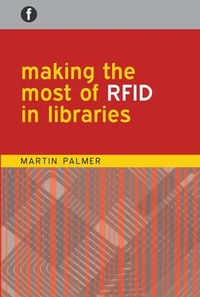
Making the Most of RFID in Libraries
1st Edition
Will be published approx. on 20. March 2009
Book
Hardback
192 pages
978-1-85604-634-3 (ISBN)
Description
Radio Frequency Identification (RFID) has had a rapid impact on the library world. Its advantage over other technologies used in libraries is usually seen to be its ability to combine the functions of the barcode and the security tag, but with the added advantages of being able to read multiple items seemingly simultaneously without need of line of sight. The customer-friendly self-service that this combination of features makes possible is at the heart of the attraction of RFID for most libraries.
This practical and straightforward book is designed to help library managers decide whether RFID has anything to offer them and - if so - how to make the most of the benefits while coping with the challenges inherent in this rapidly developing technology. It also offers many further sources of information to follow up. Applicable to all types of libraries, its contents include:
RFID, libraries and the wider world
RFID in libraries: the background and the basics
RFID, library applications and the library management system
standards and interoperability
privacy
RFID and health and safety
RFID and library design
building a business case for RFID in libraries, and requesting proposals
staffing: savings, redeployment or something else?
buying a system: evaluating the offers
installing RFID: project management
making the most of RFID: a case study
RFID, libraries and the future.
Readership: RFID has the potential to revolutionize many aspects of library service delivery. Written by an expert in the field, this book is a very worthwhile investment for all those library professionals considering converting to RFID for their libraries, as well as those who are implementing it already.
This practical and straightforward book is designed to help library managers decide whether RFID has anything to offer them and - if so - how to make the most of the benefits while coping with the challenges inherent in this rapidly developing technology. It also offers many further sources of information to follow up. Applicable to all types of libraries, its contents include:
RFID, libraries and the wider world
RFID in libraries: the background and the basics
RFID, library applications and the library management system
standards and interoperability
privacy
RFID and health and safety
RFID and library design
building a business case for RFID in libraries, and requesting proposals
staffing: savings, redeployment or something else?
buying a system: evaluating the offers
installing RFID: project management
making the most of RFID: a case study
RFID, libraries and the future.
Readership: RFID has the potential to revolutionize many aspects of library service delivery. Written by an expert in the field, this book is a very worthwhile investment for all those library professionals considering converting to RFID for their libraries, as well as those who are implementing it already.
Reviews / Votes
"...it is THE book to read if you want to inform yourself about the technology...highly recommended for all levels of library and information personnel and for library students and faculty alike...this is a compulsory read and a book I would strongly recommend." - Library Management "For those libraries looking for a starting point for the evaluation of RFID in the library, this book can be highly recommended...Libraries with existing RFID implementations may also be interested in this book in reviewing their current RFID systems." - IFLA Information Technology Section Newsletter "If you only read one book on RFID in libraries, this should be the one. 5/5" - Matt Cunningham, Loughborough University "...it is THE book to read if you want to inform yourself about the technology...highly recommended for all levels of library and information personnel and for library students and faculty alike...this is a compulsory read and a book I would strongly recommend." -- Library Management "For those libraries looking for a starting point for the evaluation of RFID in the library, this book can be highly recommended...Libraries with existing RFID implementations may also be interested in this book in reviewing their current RFID systems." -- IFLA Information Technology Section Newsletter "If you only read one book on RFID in libraries, this should be the one. 5/5" -- Matt CunninghamMore details
Language
English
Place of publication
London
United Kingdom
Target group
Professional and scholarly
Professional Practice & Development
Dimensions
Height: 234 mm
Width: 156 mm
Thickness: 20 mm
Weight
180 gr
ISBN-13
978-1-85604-634-3 (9781856046343)
Copyright in bibliographic data and cover images is held by Nielsen Book Services Limited or by the publishers or by their respective licensors: all rights reserved.
Schweitzer Classification
Other editions
Additional editions
Martin Palmer
Making the Most of RFID in Libraries
E-Book
03/2009
1st Edition
Facet Publishing
from
€81.79
Available for download
Person
Martin Palmer BA MBA MCLIP MCMI is Principal Officer: Libraries for Essex County Council. He is Chair both of the BIC/CILIP RFID in Libraries Group, and of BIC's E4Libraries Steering Committee.
Content
Preface
Introduction
Terminology: a note about 'customers'
Acknowledgements
1. RFID, libraries and the wider world
Why RFID and libraries?
RFID - the technology: a brief history
RFID - the technology: frequencies
RFID - the technology: process
RFID - a disruptive technology . . . ?
RFID and the wider world - some existing applications
Disrupted libraries?
RFID and libraries - a brief summary of the main applications
Summary
2. RFID and libraries: the background and the basics
The early days
RFID in libraries - how it works: the basics
Audiovisual material - a problem area . . .
Another complicated area - multipart items
Summary
3. RFID, library applications and the library management system
RFID and the LMS - why do you need both?
The changing market for LMS
SIP
SIP or NCIP?
Back-up: is offline service the same as online?
Self-payment
Staff processes
Contents
Self-service and the LMS - some other complications
RFID and stock control
Acquisitions
Navigating the library
Summary
4. Standards and interoperability
Standards, or free for all?
Interoperability - is it really needed?
It's not just about interoperability . . .
What standards are there?
Licence plate or full data?
ISO 28560 - towards a standard library data model
The AFI (Application Family Identifier)
The DSFID
Summary
5. Privacy
Interoperability and privacy
RFID opponents
Hotlisting and tracking
RFID and (some) religious groups
RFID and hacking
RFID and legal limitations
Encrypted tags?
RFID and privacy - a continuing debate
Summary
6 .RFID and health and safety
RFID - what are the safety concerns?
RFID and health and safety law
Which standards?
RFID and medical devices?
RFID and health and safety - the plus side?
RFID and health and safety - the future?
Summary
7. RFID and library design
The changing role of library buildings
The impact of computerization
What's this got to do with RFID?
Library layout
Library furniture
Security and building supervision
External aspects
Summary
8. Building a business case for RFID in libraries, and requesting proposals
Risk and reward
Rationale
Implementing RFID - the benefits
Preparing a request for proposal (RFP)
Summary
9. Staffing: savings, redeployment or something else?
RFID and staffing efficiencies
How much work is being saved?
Summary
10. Buying a system: evaluating the offers
Range of suppliers/range of responses
Why systematic evaluation is important
How to evaluate systematically
Summary
11. Installing RFID: project management
Project management
Risk management
The main tasks
The first day live
Review and follow-up
Summary
12. Making the most of RFID: a case study
In the beginning . . .
Searching for a solution
Looking for a supplier
Branding, guiding and layout
Staff roles
Next stages
The roll-out
The outcome
How important is RFID to this case study?
Summary
13. RFID, libraries and the future
New and developing uses for RFID
Developing tag technology
Conclusion
Further information
Websites
Forums
Blogs
Library RFID system suppliers
Introduction
Terminology: a note about 'customers'
Acknowledgements
1. RFID, libraries and the wider world
Why RFID and libraries?
RFID - the technology: a brief history
RFID - the technology: frequencies
RFID - the technology: process
RFID - a disruptive technology . . . ?
RFID and the wider world - some existing applications
Disrupted libraries?
RFID and libraries - a brief summary of the main applications
Summary
2. RFID and libraries: the background and the basics
The early days
RFID in libraries - how it works: the basics
Audiovisual material - a problem area . . .
Another complicated area - multipart items
Summary
3. RFID, library applications and the library management system
RFID and the LMS - why do you need both?
The changing market for LMS
SIP
SIP or NCIP?
Back-up: is offline service the same as online?
Self-payment
Staff processes
Contents
Self-service and the LMS - some other complications
RFID and stock control
Acquisitions
Navigating the library
Summary
4. Standards and interoperability
Standards, or free for all?
Interoperability - is it really needed?
It's not just about interoperability . . .
What standards are there?
Licence plate or full data?
ISO 28560 - towards a standard library data model
The AFI (Application Family Identifier)
The DSFID
Summary
5. Privacy
Interoperability and privacy
RFID opponents
Hotlisting and tracking
RFID and (some) religious groups
RFID and hacking
RFID and legal limitations
Encrypted tags?
RFID and privacy - a continuing debate
Summary
6 .RFID and health and safety
RFID - what are the safety concerns?
RFID and health and safety law
Which standards?
RFID and medical devices?
RFID and health and safety - the plus side?
RFID and health and safety - the future?
Summary
7. RFID and library design
The changing role of library buildings
The impact of computerization
What's this got to do with RFID?
Library layout
Library furniture
Security and building supervision
External aspects
Summary
8. Building a business case for RFID in libraries, and requesting proposals
Risk and reward
Rationale
Implementing RFID - the benefits
Preparing a request for proposal (RFP)
Summary
9. Staffing: savings, redeployment or something else?
RFID and staffing efficiencies
How much work is being saved?
Summary
10. Buying a system: evaluating the offers
Range of suppliers/range of responses
Why systematic evaluation is important
How to evaluate systematically
Summary
11. Installing RFID: project management
Project management
Risk management
The main tasks
The first day live
Review and follow-up
Summary
12. Making the most of RFID: a case study
In the beginning . . .
Searching for a solution
Looking for a supplier
Branding, guiding and layout
Staff roles
Next stages
The roll-out
The outcome
How important is RFID to this case study?
Summary
13. RFID, libraries and the future
New and developing uses for RFID
Developing tag technology
Conclusion
Further information
Websites
Forums
Blogs
Library RFID system suppliers