

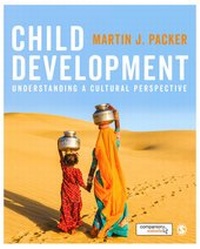
Child Development
Understanding A Cultural Perspective
1st Edition
Published on 12. April 2017
Book
Paperback/Softback
616 pages
978-1-4739-9337-2 (ISBN)
Description
Every child is born into a community, a society with a culture, in which he or she will live, grow and develop. Cultures lead to differences in children's development, but equally important, culture is an essential component of every child's psychological development.
Child Development takes a chronological approach, from prenatal development to adolescence, in which social, cognitive, emotional and physical aspects of development are interwoven. Martin Packer integrates cross-cultural examples from different parts of the world to illustrate how culture plays a constitutive role in children's development.
This book includes an in-depth discussion of human evolution, the history of language and the human lifespan, as well as the theoretical perspectives of scientific research on children's development.
This textbook is essential reading for undergraduate students taking an introductory course in child development or developmental psychology.
Child Development takes a chronological approach, from prenatal development to adolescence, in which social, cognitive, emotional and physical aspects of development are interwoven. Martin Packer integrates cross-cultural examples from different parts of the world to illustrate how culture plays a constitutive role in children's development.
This book includes an in-depth discussion of human evolution, the history of language and the human lifespan, as well as the theoretical perspectives of scientific research on children's development.
This textbook is essential reading for undergraduate students taking an introductory course in child development or developmental psychology.
Reviews / Votes
"Finally, a developmental textbook that portrays the ubiquitous role of culture in the developing child." -- Christine M. Weinkauff "Packer has written a culturally informed and philosophically sophisticated text. It is essential reading!" -- Robert B. Faux A truly valuable reference book covering most important aspects of (human and) child development with a particular emphasis on the cultural perspective. Each chapter has clear learning objectives and framing questions at the beginning, and in the end, a brief conclusion section highlighting most important aspects covered in the chapter. A great resource for anyone studying or interested in psychology. -- Tamara Rakic "Clever, scholarly and approachable explanations of the importance of culture and society in a child's development. This book makes an important contribution for both students and researchers." -- Marek TesarMore details
Language
English
Place of publication
London
United Kingdom
Target group
College/higher education
Dimensions
Height: 232 mm
Width: 186 mm
Weight
1085 gr
ISBN-13
978-1-4739-9337-2 (9781473993372)
Copyright in bibliographic data and cover images is held by Nielsen Book Services Limited or by the publishers or by their respective licensors: all rights reserved.
Schweitzer Classification
Other editions
New editions
Book
04/2021
2nd Edition
SAGE Publications Ltd
€62.00
Shipment within 15-20 days
Person
Martin Packer is an independent researcher in Bogota, Colombia. He received his BA in Natural Sciences at Cambridge University, United Kingdom, and his PhD in Psychology at the University of California, Berkeley. He was a research psychologist at Bedford College, University of London, and St. Mary's Hospital Perinatal Research Unit. He has taught at the University of California, Berkeley, the University of Michigan, Duquesne University, la Universidad de los Andes in Bogota, and la Universidad de San Buenaventura in Cali, Colombia. He has been visiting professor at Universidad de las Americas, in Puebla, Mexico, and at Universidad Autonoma Metropolitana, in Xochimilco, Mexico City. His research has explored interactions between neonates and their mothers, early childhood-peer relations, conflict among adolescents, and the way schools change the kind of person a child becomes. Packer is co-editor of Entering the Circle: Hermeneutic Investigation in Psychology (with Ritch Addison), Cultural and Critical Perspectives on Human Development (with Mark Tappan) and Reflections on the Learning Sciences (with Michael Evans and Keith Sawyer). He is author of The Structure of Moral Action, of Changing Classes: School Reform and the New Economy, and of The Science of Qualitative Research (now in its second edition, and translated into Spanish). He was one of the founding co-editors of the journal Qualitative Research in Psychology, has been an editor of Mind, Culture, and Activity, and has published articles in American Psychologist, Educational Psychologist, The Journal of the Learning Sciences, Revista Colombiana de Psicologia, and Mind, Culture & Activity. He is currently an editorial board member of The Humanistic Psychologist, Qualitative Research in Psychology, and Mind, Culture, and Activity.
Content
Chapter 1: Introduction
1. A Cultural Perspective on Children's Development
2. Organization of the Book
Chapter 2: Theoretical Perspectives in Developmental Psychology
Theoretical Perspectives in Developmental Psychology
1. Genetic Psychology
2. Behaviorism
3. Cognitive Developmental Psychology
4. Constructivist Psychology
5. Cultural Psychology
Chapter 3: Interwoven Lines of Development
1. What is Evolution?
2. Evolution of Human Beings
3. Tracing the Origins of Language
4. Evolution of the Life Cycle
5. Sociocultural Evolution
Chapter 4: Prenatal Development, Birth, and the Newborn
1. Prenatal Development of Body and Brain
2. Birth: The First Developmental Transition
3. Infant Dependence: What the Newborn Cannot Do
4. Neonatal Capabilities: What the Newborn Can Do
Chapter 5: Infancy - A Practical Understanding of the World
1. The Infant's Practical Understanding
2. The World of Infancy: The Great-We
3. Caring for the Infant:
Chapter 6: Infancy - Towards Biological Differentiation
1. Primary Emotions and their Regulation
2. Biological Developments During the First Year
3. The Transition at 1 Year: Biological differentiation
Chapter 7: Toddlerhood - A World of Irresistible Invitations
1. The World of Toddlerhood: Irresistible Invitations
2. Caring for the Toddler
3. Understanding Other People: Intentions in Action, and Family Customs
4. Biological Change During Toddlerhood
Chapter 8: Toddlerhood - Towards Psychological Differentiation
1. The Toddler's Talk
2. How Language Changes the World of the Toddler
3. Understanding Material Representations
4. Self and Symbol: The Transition at 3 Years
Chapter 9: Early Childhood - How Things Appear, And How They Are
1. Sociodramatic Play
2. Talking as both Doing and Understanding
3. The World of Early Childhood: Breaking from the Visual
Chapter 10: Early Childhood - Towards Inner and Outer
1. Understanding Other People: Prior Intentions and Conventional Scenarios
2. Caring for the Young Child
3. The Origins of Verbal Thinking
4. Becoming a Kind of Person
5. Biological Changes During Early Childhood
Chapter 11: Middle Childhood - Understanding Institutional Reality
1. The Transition at 5-to-7 Years
2. Learning Through Participation and Apprenticeship
3. Understanding Other People: Mental States, and Institutions with Roles and Rules
Chapter 12: Middle Childhood - Towards the Actual and the Possible
1. The Institution of School
2. Outside School and Work
Chapter 13: The Teenage Years - Adolescent, or Adult?
1. Biological Changes in the Teenage Years
2. Constituting Adolescence
3. Adolescent Reasoning and Decision Making
Chapter 14: The Teenage Years - Towards Adulthood
1. Who Is The Adolescent?
2. Peer Culture
3. Understanding Other People: Ethical and Epistemological Relativism
Chapter 15: Summing up
1. Stages, Transitions, and Trajectories
2. Theory of Mind, and the Normative Stances
3. Embodied, Embedded, and Distributed
1. A Cultural Perspective on Children's Development
2. Organization of the Book
Chapter 2: Theoretical Perspectives in Developmental Psychology
Theoretical Perspectives in Developmental Psychology
1. Genetic Psychology
2. Behaviorism
3. Cognitive Developmental Psychology
4. Constructivist Psychology
5. Cultural Psychology
Chapter 3: Interwoven Lines of Development
1. What is Evolution?
2. Evolution of Human Beings
3. Tracing the Origins of Language
4. Evolution of the Life Cycle
5. Sociocultural Evolution
Chapter 4: Prenatal Development, Birth, and the Newborn
1. Prenatal Development of Body and Brain
2. Birth: The First Developmental Transition
3. Infant Dependence: What the Newborn Cannot Do
4. Neonatal Capabilities: What the Newborn Can Do
Chapter 5: Infancy - A Practical Understanding of the World
1. The Infant's Practical Understanding
2. The World of Infancy: The Great-We
3. Caring for the Infant:
Chapter 6: Infancy - Towards Biological Differentiation
1. Primary Emotions and their Regulation
2. Biological Developments During the First Year
3. The Transition at 1 Year: Biological differentiation
Chapter 7: Toddlerhood - A World of Irresistible Invitations
1. The World of Toddlerhood: Irresistible Invitations
2. Caring for the Toddler
3. Understanding Other People: Intentions in Action, and Family Customs
4. Biological Change During Toddlerhood
Chapter 8: Toddlerhood - Towards Psychological Differentiation
1. The Toddler's Talk
2. How Language Changes the World of the Toddler
3. Understanding Material Representations
4. Self and Symbol: The Transition at 3 Years
Chapter 9: Early Childhood - How Things Appear, And How They Are
1. Sociodramatic Play
2. Talking as both Doing and Understanding
3. The World of Early Childhood: Breaking from the Visual
Chapter 10: Early Childhood - Towards Inner and Outer
1. Understanding Other People: Prior Intentions and Conventional Scenarios
2. Caring for the Young Child
3. The Origins of Verbal Thinking
4. Becoming a Kind of Person
5. Biological Changes During Early Childhood
Chapter 11: Middle Childhood - Understanding Institutional Reality
1. The Transition at 5-to-7 Years
2. Learning Through Participation and Apprenticeship
3. Understanding Other People: Mental States, and Institutions with Roles and Rules
Chapter 12: Middle Childhood - Towards the Actual and the Possible
1. The Institution of School
2. Outside School and Work
Chapter 13: The Teenage Years - Adolescent, or Adult?
1. Biological Changes in the Teenage Years
2. Constituting Adolescence
3. Adolescent Reasoning and Decision Making
Chapter 14: The Teenage Years - Towards Adulthood
1. Who Is The Adolescent?
2. Peer Culture
3. Understanding Other People: Ethical and Epistemological Relativism
Chapter 15: Summing up
1. Stages, Transitions, and Trajectories
2. Theory of Mind, and the Normative Stances
3. Embodied, Embedded, and Distributed