

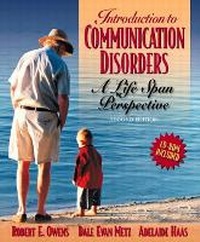
Introduction to Communication Disorders
A Life Span Perspective
2nd Edition
Published on 16. May 2003
Book
Paperback/Softback
550 pages
978-0-205-36012-3 (ISBN)
Description
Introduction to Communication Disorders: A Life Span Perspective, Second Edition, is a comprehensive overview of the fields of Speech-Language Pathology and Audiology written in an interesting and highly readable manner.
This text catalogs and discusses each disorder with an emphasis on how the disorder impacts the individual. It serves as a foundation by providing many viewpoints for the introductory student, offering personal stories from people with communication disorders, and examining the field from a life span perspective. In addition, the best models of good practice and approaches for assessment and intervention are discussed based on the authors' own clinical experiences. Each chapter describes a specific disorder, related assessment and applicable intervention methods. Each disorder is also illustrated by the personal story of an individual with that disorder. More than merely a catalog, Introduction to Communication Disorders brings students into the daily lives of individuals who suffer from a disorder.
This text catalogs and discusses each disorder with an emphasis on how the disorder impacts the individual. It serves as a foundation by providing many viewpoints for the introductory student, offering personal stories from people with communication disorders, and examining the field from a life span perspective. In addition, the best models of good practice and approaches for assessment and intervention are discussed based on the authors' own clinical experiences. Each chapter describes a specific disorder, related assessment and applicable intervention methods. Each disorder is also illustrated by the personal story of an individual with that disorder. More than merely a catalog, Introduction to Communication Disorders brings students into the daily lives of individuals who suffer from a disorder.
More details
Edition
2nd edition
Language
English
Place of publication
United States
Publishing group
Pearson Education (US)
Target group
Professional and scholarly
Dimensions
Width: 232 mm
Thickness: 22 mm
Weight
922 gr
ISBN-13
978-0-205-36012-3 (9780205360123)
Copyright in bibliographic data and cover images is held by Nielsen Book Services Limited or by the publishers or by their respective licensors: all rights reserved.
Schweitzer Classification
Other editions
New editions
Robert E. Owens | Dale Evan Metz | Adelaide Haas
Introduction to Communication Disorders
A Lifespan Perspective
Book
06/2006
3rd Edition
Pearson
€87.11
Article exhausted; check for reprint
Previous edition

Robert E. Owens | Dale Evan Metz | Adelaide Haas
Introduction to Communication Disorders
A Life Span Perspective
Book
11/1999
Pearson
€77.03
Article exhausted; check for reprint
Content
Every chapter concludes with "Summary," "Reflections," "Suggested Readings, " and "On-Line Resources."
1. A Journey: From Student to Professional Helping Others Help Themselves.
The Professionals.
Service Through the Life Cycle.
Professional Organizations.
Communication Disorders in Historical Perspective.
Appendix 1. American Speech-Language-Hearing Association Code of Ethics.
2. Typical and Disordered Communication.
Human Communication.
Communication Impairments.
3. Anatomy and Physiology Related to Speech, Hearing, and Language.
The Respiratory System.
The Laryngeal System.
The Articulatory/Resonating System.
The Nervous System.
Motor Speech Control.
Speech Production Process.
4. Communication Development.
Differences, Dialects, Disorders.
Is There a Problem?
Defining the Problem.
Treatment of Communication Disorders.
5. Assessment and Intervention.
Differences, Dialects, Disorders.
Is There a Problem?
Defining the Problem.
Intervention with Communication Disorders.
6. Childhood Language Impairments.
Associated Disorders and Related Causes.
Aspects of Language Affected Assessment.
Intervention.
7. Adult Language Impairments.
Aphasia.
Right Hemisphere Injury.
Traumatic Brain Injury (TBI).
Dementia.
8. Fluency Disorders.
Effects of Stuttering Across the Life Span.
Fluent Speech Versus Stuttering.
The Onset and Development of Stuttering Through the Life Span.
Theories and Conceptualizations of Stuttering.
Therapeutic Techniques Used with Young Children.
Therapeutic Techniques Used with Older Children and Adults Who Stutter.
Effectiveness of Stuttering Intervention Through the Life Span.
9. The Voice and Voice Disorders.
Pitch and the Pitch-Changing Mechanism.
Changes in Voice Production Through the Life Span.
Disorders of Voice.
The Voice Evaluation and Intervention.
10. Disorders of Articulation And Phonology.
Understanding Speech Sounds.
Associated Disorders and Related Causes.
Language and Dialectal Variations.
Assessment.
Intervention.
11. Cleft Lip And Palate.
The Development of the Face and Palate.
Cleft Lip and Palate Classification Systems.
Clinical Features of Clefts.
Etiologies of Clefts.
Incidence of Clefts.
Gender and Racial Difference.
The Cleft Palate Team and General Management Issues.
Communication Problems Associated with Clefts.
12. Neurogenic Speech Disorders.
Causes of Neurogenic Speech Disorders.
Cerebral Palsy.
The Dysarthrias.
Apraxia of Speech.
13. Disorders of Swallowing.
14. Audiology and Disorders of Hearing.
Introduction: What Is Audiology?
Fundamentals of Sound.
The Anatomy of the Ear.
Types of Hearing Loss.
Central Auditory Processing Disorders.
Degrees of Hearing Loss.
Audiological Testing Procedures.
Aural Habilitation/Rehabilitation.
15. Augmentative and Alternative Communication.
Types of AAC.
Speech and AAC.
Theory and Reality.
Life Span Issues.
Assessment Considerations.
Intervention Considerations.
An Afterward: Future of the Professions.
1. A Journey: From Student to Professional Helping Others Help Themselves.
The Professionals.
Service Through the Life Cycle.
Professional Organizations.
Communication Disorders in Historical Perspective.
Appendix 1. American Speech-Language-Hearing Association Code of Ethics.
2. Typical and Disordered Communication.
Human Communication.
Communication Impairments.
3. Anatomy and Physiology Related to Speech, Hearing, and Language.
The Respiratory System.
The Laryngeal System.
The Articulatory/Resonating System.
The Nervous System.
Motor Speech Control.
Speech Production Process.
4. Communication Development.
Differences, Dialects, Disorders.
Is There a Problem?
Defining the Problem.
Treatment of Communication Disorders.
5. Assessment and Intervention.
Differences, Dialects, Disorders.
Is There a Problem?
Defining the Problem.
Intervention with Communication Disorders.
6. Childhood Language Impairments.
Associated Disorders and Related Causes.
Aspects of Language Affected Assessment.
Intervention.
7. Adult Language Impairments.
Aphasia.
Right Hemisphere Injury.
Traumatic Brain Injury (TBI).
Dementia.
8. Fluency Disorders.
Effects of Stuttering Across the Life Span.
Fluent Speech Versus Stuttering.
The Onset and Development of Stuttering Through the Life Span.
Theories and Conceptualizations of Stuttering.
Therapeutic Techniques Used with Young Children.
Therapeutic Techniques Used with Older Children and Adults Who Stutter.
Effectiveness of Stuttering Intervention Through the Life Span.
9. The Voice and Voice Disorders.
Pitch and the Pitch-Changing Mechanism.
Changes in Voice Production Through the Life Span.
Disorders of Voice.
The Voice Evaluation and Intervention.
10. Disorders of Articulation And Phonology.
Understanding Speech Sounds.
Associated Disorders and Related Causes.
Language and Dialectal Variations.
Assessment.
Intervention.
11. Cleft Lip And Palate.
The Development of the Face and Palate.
Cleft Lip and Palate Classification Systems.
Clinical Features of Clefts.
Etiologies of Clefts.
Incidence of Clefts.
Gender and Racial Difference.
The Cleft Palate Team and General Management Issues.
Communication Problems Associated with Clefts.
12. Neurogenic Speech Disorders.
Causes of Neurogenic Speech Disorders.
Cerebral Palsy.
The Dysarthrias.
Apraxia of Speech.
13. Disorders of Swallowing.
14. Audiology and Disorders of Hearing.
Introduction: What Is Audiology?
Fundamentals of Sound.
The Anatomy of the Ear.
Types of Hearing Loss.
Central Auditory Processing Disorders.
Degrees of Hearing Loss.
Audiological Testing Procedures.
Aural Habilitation/Rehabilitation.
15. Augmentative and Alternative Communication.
Types of AAC.
Speech and AAC.
Theory and Reality.
Life Span Issues.
Assessment Considerations.
Intervention Considerations.
An Afterward: Future of the Professions.