


Security Management
An Introduction
2nd Edition
Published on 23. March 2004
Book
Paperback/Softback
336 pages
978-0-13-113792-9 (ISBN)
Description
For courses in security management.
This text provides a comprehensive overview of the multi-faceted, global, and interdisciplinary field of security management. It features numerous examples and case studies specific to security management, identifies over twenty specific security applications and examines the issues encountered within those areas.
This text provides a comprehensive overview of the multi-faceted, global, and interdisciplinary field of security management. It features numerous examples and case studies specific to security management, identifies over twenty specific security applications and examines the issues encountered within those areas.
More details
Edition
2nd edition
Language
English
Place of publication
United States
Publishing group
Pearson Education (US)
Target group
Professional and scholarly
Dimensions
Height: 232 mm
Width: 178 mm
Thickness: 12 mm
Weight
472 gr
ISBN-13
978-0-13-113792-9 (9780131137929)
Copyright in bibliographic data and cover images is held by Nielsen Book Services Limited or by the publishers or by their respective licensors: all rights reserved.
Schweitzer Classification
Other editions
New editions
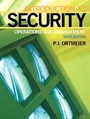
P. J. Ortmeier
Introduction to Security
Book
02/2008
3rd Edition
Pearson
€73.03
Article exhausted; check for reprint
Previous edition
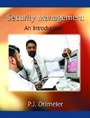
Book
09/2002
Pearson
€39.60
Article exhausted; check for reprint
Person
Dr. Ortmeier holds bachelors and masters degrees in Criminal Justice and a Ph.D. in Educational Leadership with an emphasis in Public Safety Training and Development. He is a U.S. Army veteran, a former police officer, a former vice president of United Security Systems, Incorporated, and he served as the coordinator of a criminal justice and security program at a midwestern college for 10 years. Dr. Ortmeier developed and implemented numerous courses and degree programs in law enforcement, corrections, security management, and public safety.
Currently, Dr. Ortmeier is the coordinator of the Administration of Justice Program at Grossmont College in the San Diego suburb of El Cajon, California. He also holds teaching positions at California State University-San Marcos, The Union Institute and University, and Webster University in San Diego.
Dr. Ortmeier is the author of Public Safety and Security Administration and Policing in the Community: A Guide for Patrol Operations as well as several articles appearing in journals such as Police Chief, The Law Enforcement Executive Forum, California Security, Police and Security News, and Security Management. With Edwin Meese III, former attorney general of the United States, Dr. Ortmeier co-authored Leadership, Ethics, and Policing: Challenges for the 21st century. Dr. Ortmeier's publications focus on police field services, security operations, professional career education, management, leadership, and competency development for public safety personnel.
Dr. Ortmeier is a member of the Academy of Criminal Justice Sciences, the California Association of Administration of Justice Educators, the American Society for Industrial Security, and the American Society for Law Enforcement Training. His current interests include homeland defense and the development of leadership skills and career education pathways for public safety and security professionals.
Currently, Dr. Ortmeier is the coordinator of the Administration of Justice Program at Grossmont College in the San Diego suburb of El Cajon, California. He also holds teaching positions at California State University-San Marcos, The Union Institute and University, and Webster University in San Diego.
Dr. Ortmeier is the author of Public Safety and Security Administration and Policing in the Community: A Guide for Patrol Operations as well as several articles appearing in journals such as Police Chief, The Law Enforcement Executive Forum, California Security, Police and Security News, and Security Management. With Edwin Meese III, former attorney general of the United States, Dr. Ortmeier co-authored Leadership, Ethics, and Policing: Challenges for the 21st century. Dr. Ortmeier's publications focus on police field services, security operations, professional career education, management, leadership, and competency development for public safety personnel.
Dr. Ortmeier is a member of the Academy of Criminal Justice Sciences, the California Association of Administration of Justice Educators, the American Society for Industrial Security, and the American Society for Law Enforcement Training. His current interests include homeland defense and the development of leadership skills and career education pathways for public safety and security professionals.
Content
1. Introduction.
Learning Objectives. The Context for Security. Security: A Brief History. Private Police and Public Law Enforcement. Security Management: Essential Elements. Security Organizations. Roles of the Security Manager. Regulation of the Security Industry. Professional Certification and Education Programs. Impact of Globalization. The Future of Security Management. Summary. Key Terms. Discussion Questions and Exercises.
2. Threats to Safety and Security.
Learning Objectives. Introduction. Accidents. Human Error. The Threat from Fire. Natural Disasters. Environmental Disasters. Civil Liability. Substance Abuse. Civil Disorder. Crime. Summary. Key Terms. Discussion Questions and Exercises.
3. Legal Aspects of Security Management.
Learning Objectives. Introduction. Judicial Systems. Burden and Degrees of Proof. The Judicial Process. Tort Law. Contract Law. Administrative Law. Property Law. Employment Law. Criminal Law. Laws of Arrest. Evidence Law. Search and Seizure. Legislative Trends in Security Management. Summary. Key Terms. Discussion Questions and Exercises.
4. Risk Assessment, Planning, and Program Administration.
Learning Objectives. Introduction. The Concept of Risk. Risk Assessment and the Security Survey. Planning. Contingency Planning. Crime Prevention through Environmental Design. Program Implementation and Administration. Evaluation. Summary. Key Terms. Discussion Questions and Exercises.
5. Physical Security.
Learning Objectives. Introduction. Basic of Defense and Levels of Protection. Perimeter Controls. Building Exteriors and Interiors. Lighting. Fences. Locks. Visual Assessment and Surveillance Systems. Alarm Systems. Alarm System Management. Fire Prevention and Protection. Human Protection Systems. Summary. Key Terms. Discussion Questions and Exercises.
6. Personnel Security.
Learning Objectives. Introduction. Personnel Recruitment and Selection. Personnel Management. Personnel Integrity. Summary. Key Terms. Discussion Questions and Exercises.
7. Information Security.
Learning Objectives. Introduction. INFOSEC Risk Assessment and Analysis. Information Protection Strategies. Communications Security. Computer Security. Summary. Key Terms. Discussion Questions and Exercises.
8. Investigations, Intelligence Operations, and Reporting.
Learning Objectives. Introduction. Investigations. Intelligence Operations. Counterespionage. Reporting. Summary. Key Terms. Discussion Questions and Exercises.
9. Specific Security Applications: Part I.
Learning Objectives. Introduction. Airline and Airport Security. Banking and Financial Institution Security. Computer Security. Contract Services. Courthouse and Courtroom Security. Disaster Recovery. Educational Institution Security. Entertainment Security. Executive Protection. Government Security. Healthcare Security. Hospitality Security. Summary. Key Terms. Discussion Questions and Exercises.
10. Specific Security Applications: Part II.
Learning Objectives. Introduction. Industrial Security. Library and Museum Security. Office Building Security. Privatization of Public Services. Residential Security. Retail Loss Prevention. Transportation Security. Utility Security. Workplace Violence Prevention. Zoo and Aquarium Security. Summary. Key Terms. Discussion Questions and Exercises.
Glossary.
Appendix A: Correlation of ASIS International Syllabus for Introduction to Security for Business Students with Security Management: An Introduction, 2nd Edition.
Appendix B: Safety and Security Survey Instrument.
References.
Index.
Learning Objectives. The Context for Security. Security: A Brief History. Private Police and Public Law Enforcement. Security Management: Essential Elements. Security Organizations. Roles of the Security Manager. Regulation of the Security Industry. Professional Certification and Education Programs. Impact of Globalization. The Future of Security Management. Summary. Key Terms. Discussion Questions and Exercises.
2. Threats to Safety and Security.
Learning Objectives. Introduction. Accidents. Human Error. The Threat from Fire. Natural Disasters. Environmental Disasters. Civil Liability. Substance Abuse. Civil Disorder. Crime. Summary. Key Terms. Discussion Questions and Exercises.
3. Legal Aspects of Security Management.
Learning Objectives. Introduction. Judicial Systems. Burden and Degrees of Proof. The Judicial Process. Tort Law. Contract Law. Administrative Law. Property Law. Employment Law. Criminal Law. Laws of Arrest. Evidence Law. Search and Seizure. Legislative Trends in Security Management. Summary. Key Terms. Discussion Questions and Exercises.
4. Risk Assessment, Planning, and Program Administration.
Learning Objectives. Introduction. The Concept of Risk. Risk Assessment and the Security Survey. Planning. Contingency Planning. Crime Prevention through Environmental Design. Program Implementation and Administration. Evaluation. Summary. Key Terms. Discussion Questions and Exercises.
5. Physical Security.
Learning Objectives. Introduction. Basic of Defense and Levels of Protection. Perimeter Controls. Building Exteriors and Interiors. Lighting. Fences. Locks. Visual Assessment and Surveillance Systems. Alarm Systems. Alarm System Management. Fire Prevention and Protection. Human Protection Systems. Summary. Key Terms. Discussion Questions and Exercises.
6. Personnel Security.
Learning Objectives. Introduction. Personnel Recruitment and Selection. Personnel Management. Personnel Integrity. Summary. Key Terms. Discussion Questions and Exercises.
7. Information Security.
Learning Objectives. Introduction. INFOSEC Risk Assessment and Analysis. Information Protection Strategies. Communications Security. Computer Security. Summary. Key Terms. Discussion Questions and Exercises.
8. Investigations, Intelligence Operations, and Reporting.
Learning Objectives. Introduction. Investigations. Intelligence Operations. Counterespionage. Reporting. Summary. Key Terms. Discussion Questions and Exercises.
9. Specific Security Applications: Part I.
Learning Objectives. Introduction. Airline and Airport Security. Banking and Financial Institution Security. Computer Security. Contract Services. Courthouse and Courtroom Security. Disaster Recovery. Educational Institution Security. Entertainment Security. Executive Protection. Government Security. Healthcare Security. Hospitality Security. Summary. Key Terms. Discussion Questions and Exercises.
10. Specific Security Applications: Part II.
Learning Objectives. Introduction. Industrial Security. Library and Museum Security. Office Building Security. Privatization of Public Services. Residential Security. Retail Loss Prevention. Transportation Security. Utility Security. Workplace Violence Prevention. Zoo and Aquarium Security. Summary. Key Terms. Discussion Questions and Exercises.
Glossary.
Appendix A: Correlation of ASIS International Syllabus for Introduction to Security for Business Students with Security Management: An Introduction, 2nd Edition.
Appendix B: Safety and Security Survey Instrument.
References.
Index.