

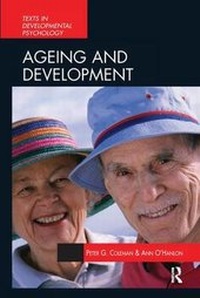
Aging and Development
Social and Emotional Perspectives
1st Edition
Published on 31. January 2017
Book
Hardback
224 pages
978-1-138-15519-0 (ISBN)
Description
With increasing numbers of the population living into old age, we need a better understanding of the nature and experience of ageing in all its aspects. Up to now, very few texts have considered this in any depth, but 'Ageing and Development', a new volume in the Texts in Developmental Psychology series, provides a detailed and comprehensive overview of the theories and research in adult development into old age. The classic early accounts of theorists such as Jung and Erikson are considered, as well as their present day successors. Particular attention is given to theories of adjustment to loss, and to the threat of loss, which dominate current gerontological research.
A notable feature of the book is the separate section devoted to the psychology of advanced old age, to life in states of physical and/or mental frailty, and to the survival of the self in these circumstances. There is a strong emphasis throughout on up-to-date empirical research and illustrative case examples. The reader is constantly encouraged to take a critical perspective, to understand the strengths and limitations of different studies, and to think about the issues raised in terms of their own lives.
A notable feature of the book is the separate section devoted to the psychology of advanced old age, to life in states of physical and/or mental frailty, and to the survival of the self in these circumstances. There is a strong emphasis throughout on up-to-date empirical research and illustrative case examples. The reader is constantly encouraged to take a critical perspective, to understand the strengths and limitations of different studies, and to think about the issues raised in terms of their own lives.
More details
Series
Language
English
Place of publication
London
United Kingdom
Publishing group
Taylor & Francis Ltd
Target group
College/higher education
Illustrations
12
Dimensions
Height: 234 mm
Width: 156 mm
Weight
408 gr
ISBN-13
978-1-138-15519-0 (9781138155190)
Copyright in bibliographic data and cover images is held by Nielsen Book Services Limited or by the publishers or by their respective licensors: all rights reserved.
Schweitzer Classification
Other editions
New editions
Book
02/2017
2nd Edition
Routledge
€242.00
Shipment within 3-4 weeks
Additional editions
Book
02/2004
1st Edition
Hodder Arnold
€48.46
Article exhausted; check for reprint
Persons
PETER G. COLEMAN is Professor of Psychogerontology at the University of Southampton, a joint appointment between the Schools of Psychology and Medicine.
ANN O'HANLON obtained her PhD in Lifespan Developmental Psychology at the University of Southampton and is now based at the Department of Psychology, Royal College of Surgeons in Ireland.
ANN O'HANLON obtained her PhD in Lifespan Developmental Psychology at the University of Southampton and is now based at the Department of Psychology, Royal College of Surgeons in Ireland.
Content
Preface
Chapter One: Theory and Research on Ageing, Continued Development and Adaptation to Change
Part One: Normative Developmental Models of Ageing
Chapter Two: Theories of Adult Development: Midlife to Old Age
Psychodynamic theories
Jung aEUR" the midlife transition
Erikson aEUR" developmental tasks of later adulthood
Theories based on empirical investigation
Levinson - the midlife transition in menaEUR (TM)s lives
Levinson aEUR" the midlife transition in womenaEUR (TM)s lives
Other social developmental theories of ageing
Disengagement, re-engagement and gerotranscendence
Chapter Three: Research on Developmental Concepts of Ageing
Generativity
Measuring generativity
Generativity as a feature of mid-life
The relationship between generativity and well-being
Wisdom
Defining wisdom and its components
Measuring wisdom
Antecedents to wisdom: age, experience and personality
Reminiscence and Life Review
Types and functions of reminiscence
Life review, its antecedents and associations
Evaluative studies of reminiscence and life review
Part Two: Ageing and Adaptation
Chapter Four: Theories of Ageing and Adaptation
Differential ageing
Selective optimisation with compensation
Shifting between assimilation and accommodation
Socio-emotional selectivity theory
The dynamic maturational model of attachment
Chapter Five: Current Research Themes on Ageing and Adaptation
Attitudes to ageing and older adults
Beliefs for the self over time
Attitudes towards own prospective old age
Primary and secondary control strategies of adaptation
The protective role of personal relationships
Factors influencing well-being following spousal loss
Changes in relationships over time
Relationships within a cultural context
Personal meaning and spirituality
Conceptualising spirituality, religion and meaning
Age, gender and racial differences in uses of religion and spirituality
Religion, well-being and coping in later life
Part Three: Towards a Developmental Psychology of Advanced Old Age
Chapter Six: Key Concepts in the Study of Late Life
When does advanced old age begin?
Is there a developmental psychology of late life?
The psychology of institutional care
The self in late life: accommodation and self-transcendence
Dementia: the negation of development?
Cognitive and personality change in dementia
Understanding the experience of dementia
Dementia and emotions
Chapter Seven: Current Research on Development and Adaptation in Advanced Old Age
Source of continuity of the self in late life
Evidence for stability of core self descriptors
Differences in self-definition between the young-old and old-old
Changing sources of self-esteem with age
Studies of person-environment congruence in institutional settings
Need for autonomy in residential settings
Identifying and fostering developmental features of the institutional care environment
Dementia care and attachment
Dementia, attachment and the strange situation
Developing staff attitudes towards persons with dementia
Chapter Eight: Concluding thoughts and suggestions for further reading
References
Index
Chapter One: Theory and Research on Ageing, Continued Development and Adaptation to Change
Part One: Normative Developmental Models of Ageing
Chapter Two: Theories of Adult Development: Midlife to Old Age
Psychodynamic theories
Jung aEUR" the midlife transition
Erikson aEUR" developmental tasks of later adulthood
Theories based on empirical investigation
Levinson - the midlife transition in menaEUR (TM)s lives
Levinson aEUR" the midlife transition in womenaEUR (TM)s lives
Other social developmental theories of ageing
Disengagement, re-engagement and gerotranscendence
Chapter Three: Research on Developmental Concepts of Ageing
Generativity
Measuring generativity
Generativity as a feature of mid-life
The relationship between generativity and well-being
Wisdom
Defining wisdom and its components
Measuring wisdom
Antecedents to wisdom: age, experience and personality
Reminiscence and Life Review
Types and functions of reminiscence
Life review, its antecedents and associations
Evaluative studies of reminiscence and life review
Part Two: Ageing and Adaptation
Chapter Four: Theories of Ageing and Adaptation
Differential ageing
Selective optimisation with compensation
Shifting between assimilation and accommodation
Socio-emotional selectivity theory
The dynamic maturational model of attachment
Chapter Five: Current Research Themes on Ageing and Adaptation
Attitudes to ageing and older adults
Beliefs for the self over time
Attitudes towards own prospective old age
Primary and secondary control strategies of adaptation
The protective role of personal relationships
Factors influencing well-being following spousal loss
Changes in relationships over time
Relationships within a cultural context
Personal meaning and spirituality
Conceptualising spirituality, religion and meaning
Age, gender and racial differences in uses of religion and spirituality
Religion, well-being and coping in later life
Part Three: Towards a Developmental Psychology of Advanced Old Age
Chapter Six: Key Concepts in the Study of Late Life
When does advanced old age begin?
Is there a developmental psychology of late life?
The psychology of institutional care
The self in late life: accommodation and self-transcendence
Dementia: the negation of development?
Cognitive and personality change in dementia
Understanding the experience of dementia
Dementia and emotions
Chapter Seven: Current Research on Development and Adaptation in Advanced Old Age
Source of continuity of the self in late life
Evidence for stability of core self descriptors
Differences in self-definition between the young-old and old-old
Changing sources of self-esteem with age
Studies of person-environment congruence in institutional settings
Need for autonomy in residential settings
Identifying and fostering developmental features of the institutional care environment
Dementia care and attachment
Dementia, attachment and the strange situation
Developing staff attitudes towards persons with dementia
Chapter Eight: Concluding thoughts and suggestions for further reading
References
Index