

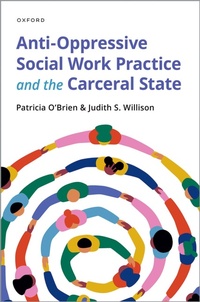
Anti-Oppressive Social Work Practice and the Carceral State
Published on 13. October 2022
Book
Paperback/Softback
304 pages
978-0-19-007675-7 (ISBN)
Description
With violent policing, inhumane detention and imprisonment, community surveillance and loss of civil rights, the criminal legal system is unjust; and it is crucial for social workers to understand and take steps toward change. Under the guise of helping adults in multiple correctional contexts, social workers have historically engaged in efforts that privilege the carceral system and reproduce its harmful apparatus that extends to families and communities.
Anti-Oppressive Social Work Practice and the Carceral State plots a path to change by using an anti-oppressive and transformative approach. Patricia O'Brien and Judith S. Willison critically examine strategies to shift punishment-centered practices to build collaborative partnerships and possibilities toward decarceration and individual and community power.
Anti-Oppressive Social Work Practice and the Carceral State plots a path to change by using an anti-oppressive and transformative approach. Patricia O'Brien and Judith S. Willison critically examine strategies to shift punishment-centered practices to build collaborative partnerships and possibilities toward decarceration and individual and community power.
Reviews / Votes
Anti-oppressive Social Work Practice and the Carceral State is a contribution that fills a significant gap. Increasingly there are calls for anti-oppressive social work, particularly related to carceral systems, and this book provides language and context. O'Brien and Willison have created a text for those who are new to the topic to begin to understand the important issues, and for someone who is familiar, to expand their knowledge. Anyone interested in anti-oppression should add this resource to their library. * Henrika McCoy, PhD, Associate Professor, Jane Addams College of Social Work, University of Illinois at Chicago * It's not easy to find space for anti-oppressive frameworks in a place that is created for and animated by oppression. And yet this space is in deep need of both humanity, for those who are currently locked in, and disassembled. O'Brien and Willison attend to both sides of this spectrum with wisdom, strategies for anti-oppressive social work practice, and some of the most important ethical considerations for this period in social work. The books attention to practice and ethics makes it invaluable to students and practitioners. * Elizabeth L. Beck, PhD, Professor, School of Social Work at the Andrew Young School of Policy Studies. Georgia State University * The social work profession is at a critical point where we must question our role in maintaining the carceral state and the conflicts this creates with our professed values. Anti-Oppressive Social Work Practice and the Carceral State raises the important questions we must consider and provides some paths forward. If the profession does not address the questions raised in this important text, it risks moving towards irrelevancy. * Alan Dettlaff, Dean and Maconda Brown O'Connor Endowed Dean's Chair, University of Houston Graduate College of Social Work * Anti-Oppressive Social Work Practice and the Carceral State delivers fully and dynamically on its stated promises. Patricia O'Brien and Judith Willison offer a creative and timely book that greatly expands the reader's grasp of the U.S. carceral state as a whole and as a set of parts. The contours and mechanisms of Its operations and unjust aspects are clearly illuminated through illustrations from the reports of people caught up in the bowels of the carceral state and from the reflections of experienced social work practitioners. * Barbara Levy Simon, PhD, Professor Emerita and Special Lecturer, Colombia School of Social Work * Anti-Oppressive Social Work Practice and the Carceral State stands out as a timely and practical book. * Ran Hu, Affilia: Feminist Inquiry in Social Work * Despite the many differences between American and Czech prison system, the book offers thought-provoking reflections especially for social workers and community-oriented workers. I must also highlight the intersectional approach of the authors, who throughout the book in virtually all respects emphasize the complex relationships and unequal positions of the various actors in every aspect of the book, without resorting to economic or cultural reductionism. However some of the ideas in the book may be considered radical, the authors offer convincing arguments based on concrete data and research, and more importantly, on problems they describe, they offer very concrete and practical solutions. * Jarda Michl, Ceska kriminologie *More details
Language
English
Place of publication
New York
United States
Target group
Professional and scholarly
Product notice
Paperback (trade)
Unsewn / adhesive bound
Dimensions
Height: 236 mm
Width: 155 mm
Thickness: 16 mm
Weight
445 gr
ISBN-13
978-0-19-007675-7 (9780190076757)
Copyright in bibliographic data and cover images is held by Nielsen Book Services Limited or by the publishers or by their respective licensors: all rights reserved.
Schweitzer Classification
Other editions
Additional editions
Patricia O'Brien | Judith S. Willison
Anti-Oppressive Social Work Practice and the Carceral State
E-Book
07/2022
OUP eBook
€31.49
Available for download
Patricia O'Brien | Judith S. Willison
Anti-Oppressive Social Work Practice and the Carceral State
E-Book
07/2022
OUP eBook
€31.49
Available for download
Persons
Patricia O'Brien, PhD, MSW, is Associate Professor (retired) at the Jane Addams College of Social Work at the University of Illinois at Chicago (UIC). Nationally known for her advocacy and research on women in and out of prison, she published one of the first studies examining how women succeed in the community after release from incarceration.
Judith S. Willison, PhD, MSW, LICSW, is Associate Professor in the Bridgewater State University School of Social Work. Her scholarship focuses on understanding the place of criminalized behavior within existing systems of social inequity and institutionalized white supremacy to support activist interventions.
Judith S. Willison, PhD, MSW, LICSW, is Associate Professor in the Bridgewater State University School of Social Work. Her scholarship focuses on understanding the place of criminalized behavior within existing systems of social inequity and institutionalized white supremacy to support activist interventions.
Content
PART 1: FOUNDATIONS FOR ANTI-OPPRESSIVE SOCIAL WORK PRACTICE IN THE CARCERAL STATE
CHAPTER 1: How We Got Here and Where We Want to Go
How We Got Here: Carceral State Summary
Where We Want to Go: Social Work in the Carceral State
Overview of the Criminal Legal System
A Brief History
Functions and Components of the Criminal Legal System
Anti-Oppressive Social Work Practice (AOP)
Book Structure and Chapters
Expanding Our Vision
Online Resources
References
CHAPTER 2: The Sociopolitical Context of Social Work Practice and the Carceral State
Anti-Oppressive Social Work: Why Sociopolitical Context Matters
Understanding the Sociopolitical Evolution and Expansion of the Carceral State
Defining the Carceral State
Evolution and Expansion of the Carceral State
Introduction to Institutional Mechanisms of the Carceral State
Transforming the Carceral System: Implications of a Sociopolitical Analysis for Anti-Oppressive Social Work
Conclusion
Expanding Our Vision
Online Resources
References
CHAPTER 3: An Anti-Oppressive Framework for Social Work Practice in the Carceral State
Empowerment and Strengths Perspectives
Anti-Oppressive Practice in the Carceral State
Engagement Phase
Teaching and Learning Assessment Phase
Action and Accompaniment Intervention Phase
Evaluation Phase
Evidence-Informed Practice in the Criminal Legal System
Trauma-Informed Care
Public Health Approach
Conclusion
Expanding Our Vision
Online Resources
References
CHAPTER 4: The Criminalization of People with Mental Illness
The Evolution of the Criminalization of Mental Illness
Mechanisms of the Criminalization of Mental IllnessAnti-Oppressive Social Work and Public Health Interventions
Conclusion
Expanding Our Vision
Online Resources
References
PART 2: ANTI-OPPRESSIVE SOCIAL WORK PRACTICE IN CARCERAL SETTINGS
CHAPTER 5: An Anti-Oppressive Social Work Approach to Public Safety and Judicial Responses
Anti-Oppressive Social Work and Policing
he Changed Nature of Contemporary Police Forces
Policing and Community-Based Behavioral Crises
An Anti-Oppressive Analysis of Police-Social Work Collaborations
A Community-Based Approach to Public Safety
Anti-Oppressive Social Work and Problem-Solving Courts
Drug Courts
Mental Health Courts (MHCs)
An Anti-Oppressive Analysis of Problem-Solving Courts
Community-Based Restorative Responses
Conclusion
Expanding Our Vision
Online Resources
References
CHAPTER 6: Transparency and Transformation in Carceral Detention
Healthcare During Detention
Suicide in Jail
Immigrant Detention
Anti-Oppressive Social Work in Jails and Detention Centers
Conclusion
Expanding Our Vision
References
CHAPTER 7: Challenges and Possibilities of Anti-Oppressive Social Work Practice in Prison with Men
The Mass Incarceration of Man
The Build-up of Incarcerated Men: A History of Gendered Racism
Mechanisms of Men's Criminalization
Men's Convictions
Violent Crime
Men Sentenced to the Death Penalty for Capital Offenses
Life Sentences
Prison Conditions
Solitary Confinement and Supermax Prisons
Prison Suicide and Self-Injurious Behavior
Health Conditions
Practice Interventions with Men in Prison
Conclusion
Expanding Our Vision
Online Resources
References
CHAPTER 8: Challenges and Possibilities of Anti-Oppressive Social Work Practice in Prison with Women Prison as a Gendered Organization
The Buildup of Women's Incarceration: Reform
The Buildup of Women's Incarceration: Punishment
Characteristics of Women in Prison
Women's Convictions
Drug Crimes
Sexual Crimes
Women Sentenced to the Death Penalty for Capital Crimes
Pathways to Criminalization
Prison Conditions
Solitary Confinement
Pregnancy/Birth/Loss
Sexual Assault in Prison
Health Conditions
Social Work Practice with Women in Prison
Promising Interventions
From Prison to the Community: Advocacy and Concluding Thoughts
Expanding Our Vision
Online Resources
References
PART 3: LEVELS OF INTERVENTION
CHAPTER 9: How Families Resist the Carceral State and MoveToward Healing
Parental Incarceration
Caregiving
Compounded Pain: The Child Welfare System
Visitation During Incarceration
Community Rebuilding
Conclusion
Expanding Our Vision
Online Resources
References
CHAPTER 1: How We Got Here and Where We Want to Go
How We Got Here: Carceral State Summary
Where We Want to Go: Social Work in the Carceral State
Overview of the Criminal Legal System
A Brief History
Functions and Components of the Criminal Legal System
Anti-Oppressive Social Work Practice (AOP)
Book Structure and Chapters
Expanding Our Vision
Online Resources
References
CHAPTER 2: The Sociopolitical Context of Social Work Practice and the Carceral State
Anti-Oppressive Social Work: Why Sociopolitical Context Matters
Understanding the Sociopolitical Evolution and Expansion of the Carceral State
Defining the Carceral State
Evolution and Expansion of the Carceral State
Introduction to Institutional Mechanisms of the Carceral State
Transforming the Carceral System: Implications of a Sociopolitical Analysis for Anti-Oppressive Social Work
Conclusion
Expanding Our Vision
Online Resources
References
CHAPTER 3: An Anti-Oppressive Framework for Social Work Practice in the Carceral State
Empowerment and Strengths Perspectives
Anti-Oppressive Practice in the Carceral State
Engagement Phase
Teaching and Learning Assessment Phase
Action and Accompaniment Intervention Phase
Evaluation Phase
Evidence-Informed Practice in the Criminal Legal System
Trauma-Informed Care
Public Health Approach
Conclusion
Expanding Our Vision
Online Resources
References
CHAPTER 4: The Criminalization of People with Mental Illness
The Evolution of the Criminalization of Mental Illness
Mechanisms of the Criminalization of Mental IllnessAnti-Oppressive Social Work and Public Health Interventions
Conclusion
Expanding Our Vision
Online Resources
References
PART 2: ANTI-OPPRESSIVE SOCIAL WORK PRACTICE IN CARCERAL SETTINGS
CHAPTER 5: An Anti-Oppressive Social Work Approach to Public Safety and Judicial Responses
Anti-Oppressive Social Work and Policing
he Changed Nature of Contemporary Police Forces
Policing and Community-Based Behavioral Crises
An Anti-Oppressive Analysis of Police-Social Work Collaborations
A Community-Based Approach to Public Safety
Anti-Oppressive Social Work and Problem-Solving Courts
Drug Courts
Mental Health Courts (MHCs)
An Anti-Oppressive Analysis of Problem-Solving Courts
Community-Based Restorative Responses
Conclusion
Expanding Our Vision
Online Resources
References
CHAPTER 6: Transparency and Transformation in Carceral Detention
Healthcare During Detention
Suicide in Jail
Immigrant Detention
Anti-Oppressive Social Work in Jails and Detention Centers
Conclusion
Expanding Our Vision
References
CHAPTER 7: Challenges and Possibilities of Anti-Oppressive Social Work Practice in Prison with Men
The Mass Incarceration of Man
The Build-up of Incarcerated Men: A History of Gendered Racism
Mechanisms of Men's Criminalization
Men's Convictions
Violent Crime
Men Sentenced to the Death Penalty for Capital Offenses
Life Sentences
Prison Conditions
Solitary Confinement and Supermax Prisons
Prison Suicide and Self-Injurious Behavior
Health Conditions
Practice Interventions with Men in Prison
Conclusion
Expanding Our Vision
Online Resources
References
CHAPTER 8: Challenges and Possibilities of Anti-Oppressive Social Work Practice in Prison with Women Prison as a Gendered Organization
The Buildup of Women's Incarceration: Reform
The Buildup of Women's Incarceration: Punishment
Characteristics of Women in Prison
Women's Convictions
Drug Crimes
Sexual Crimes
Women Sentenced to the Death Penalty for Capital Crimes
Pathways to Criminalization
Prison Conditions
Solitary Confinement
Pregnancy/Birth/Loss
Sexual Assault in Prison
Health Conditions
Social Work Practice with Women in Prison
Promising Interventions
From Prison to the Community: Advocacy and Concluding Thoughts
Expanding Our Vision
Online Resources
References
PART 3: LEVELS OF INTERVENTION
CHAPTER 9: How Families Resist the Carceral State and MoveToward Healing
Parental Incarceration
Caregiving
Compounded Pain: The Child Welfare System
Visitation During Incarceration
Community Rebuilding
Conclusion
Expanding Our Vision
Online Resources
References