

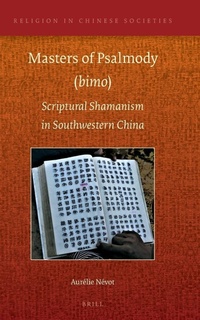
Masters of Psalmody (bimo)
Scriptural Shamanism in Southwestern China
Published on 12. September 2019
Book
Hardback
286 pages
978-90-04-41483-9 (ISBN)
Description
In Masters of Psalmody (bimo) Aurelie Nevot analyses the religious, political and theoretical issues of a scriptural shamanism observed in southwestern China among the Yi-Sani. Her focus is on blood sacrifices and chants based on a secret and labile writing handled only by ritualists called bimo.
Through ethnographic data, the author presents the still little known bimo metaphysics and unravels the complexity of the local text-based ritual system in which the continuity of each bimo lineage relies on the transmission of manuscripts whose writing relates to lineage blood. While illuminating the usages of this shamanistic tradition that is characterized by scriptural variability between patrilineages, Aurelie Nevot highlights the radical changes it is undergoing by becoming a Chinese state tradition.
Through ethnographic data, the author presents the still little known bimo metaphysics and unravels the complexity of the local text-based ritual system in which the continuity of each bimo lineage relies on the transmission of manuscripts whose writing relates to lineage blood. While illuminating the usages of this shamanistic tradition that is characterized by scriptural variability between patrilineages, Aurelie Nevot highlights the radical changes it is undergoing by becoming a Chinese state tradition.
More details
Series
Language
English
Place of publication
Leiden
Netherlands
Target group
Professional and scholarly
Product notice
sewn/stitched
Cloth over boards
Dimensions
Height: 236 mm
Width: 152 mm
Thickness: 25 mm
Weight
567 gr
ISBN-13
978-90-04-41483-9 (9789004414839)
Copyright in bibliographic data and cover images is held by Nielsen Book Services Limited or by the publishers or by their respective licensors: all rights reserved.
Schweitzer Classification
Person
Aurelie Nevot, HDR (2017), EHESS (Paris), Ph. D (2003), Paris-Nanterre University, is researcher at the French National Center for Scientific Research (CNRS) - Research Center on Modern and Contemporary China. She has published monographs and articles on Yi-Sani and China.
Content
Foreword
Acknowledgements
Illustrations and Tables
Notes to the Reader
Introduction
1 Countercurrent Writing: Myths and Blood Lineages in Question
?Introduction: Yi-centrism versus Han-centrism
?1?A Direction of Writing Contrary to Chinese Writing
?2?Writing as a Mirrored Avatar and/or as an Expression of a Distinction of Identity?
?3?"The Language of the Eyes"
?4?Apparent Anarchy, Lineage Lability
?Conclusion: a Lineage Shamanistic Tradition
2 The Textual Chants of Bimo: Voicing the Written Space
?Introduction: Graphical Melodies
?1?To Meow, to Screech like a Falcon, to Quack like a Wild Duck, to Utter the Chant of the Snake/Dead
?2?To Write Then to Psalmodize: Becoming Bimo
?3?Invisible Characters, Voice in Completion, Subtle Speech
?4?Writing as a Psalmodic Chimera
?5?The Written Reflexivity of Bimo Speech
?Conclusion: the Acoustic Life of Bimo Writing
3 The Physicality of Bimo Books: the Manuscript as a Psalmodic Mask
?Introduction: Manuscript as a Persona
?1?The Space of the Book
?2?A Canvas of Writing-Blood
?3?Mountain-book, Hillside-pages
?4?Facing "Two Cheeks"
?Conclusion: the Feminine of Writing
4 The Bimo's Bookish Journey: to Walk through Chanted Lines of Writing
?Introduction: Bimo Transhumances and Shamanistic Spatialities
?1?To Ride, to Walk on Four Hands, to Whirl, to Flow
?2?Parallelisms
?3?A Concatenation of Textual Chant
?Conclusion: the Writing, Visible, as Access to the Vocalized Invisible Space
5 Bimo Ritual, nyi: Sacrificial Transsubstantiality
?Introduction: Blood Sacrifices
?1?Setting Up the Ritual Framework
?2?"To Build the Center"
?3?To Become a mo (Sacrificial Animal)
?4?"The Sacrificial Animal's Speech"
?Conclusion: Bloods
6 Achema: the Yi-Sani Apologue for the Art of Speaking
?Introduction: Vocal Co-Dehiscence and Social Reconfiguration
?1?The Primacy of Speech
?2?Chema: from Snake-Woman to Dead-Woman
?3?The Mastery of Speech as a Social Issue, the Art of Speaking as Performance
?4?To Imitate Nature's Babble
?Conclusion: Voices Echo
7 Bimo Religion as Intangible Cultural Heritage: the Process of Standardizing Writings and Chants
?Introduction: "Bimo Religion" bimo jiao ???
?1?Bimo Qualification Certificate
?2?From "Blood" to "Image"
?3?Current Policies as Rooted in the 19th Century
?4?To Rewrite: to Restructure the Writing Pages
?5?From Lineage Writings to the Yi Writing of the Stone Forest County
?6?From the Secrets of Initiated Men to State Secrets?
?7?Bimo Music and Chants as Institutions of the Chinese State
?Conclusion: Se in the Process of Becoming wen? An Ongoing Shamanistic Schism
Conclusion
Bibliography
Index
Acknowledgements
Illustrations and Tables
Notes to the Reader
Introduction
1 Countercurrent Writing: Myths and Blood Lineages in Question
?Introduction: Yi-centrism versus Han-centrism
?1?A Direction of Writing Contrary to Chinese Writing
?2?Writing as a Mirrored Avatar and/or as an Expression of a Distinction of Identity?
?3?"The Language of the Eyes"
?4?Apparent Anarchy, Lineage Lability
?Conclusion: a Lineage Shamanistic Tradition
2 The Textual Chants of Bimo: Voicing the Written Space
?Introduction: Graphical Melodies
?1?To Meow, to Screech like a Falcon, to Quack like a Wild Duck, to Utter the Chant of the Snake/Dead
?2?To Write Then to Psalmodize: Becoming Bimo
?3?Invisible Characters, Voice in Completion, Subtle Speech
?4?Writing as a Psalmodic Chimera
?5?The Written Reflexivity of Bimo Speech
?Conclusion: the Acoustic Life of Bimo Writing
3 The Physicality of Bimo Books: the Manuscript as a Psalmodic Mask
?Introduction: Manuscript as a Persona
?1?The Space of the Book
?2?A Canvas of Writing-Blood
?3?Mountain-book, Hillside-pages
?4?Facing "Two Cheeks"
?Conclusion: the Feminine of Writing
4 The Bimo's Bookish Journey: to Walk through Chanted Lines of Writing
?Introduction: Bimo Transhumances and Shamanistic Spatialities
?1?To Ride, to Walk on Four Hands, to Whirl, to Flow
?2?Parallelisms
?3?A Concatenation of Textual Chant
?Conclusion: the Writing, Visible, as Access to the Vocalized Invisible Space
5 Bimo Ritual, nyi: Sacrificial Transsubstantiality
?Introduction: Blood Sacrifices
?1?Setting Up the Ritual Framework
?2?"To Build the Center"
?3?To Become a mo (Sacrificial Animal)
?4?"The Sacrificial Animal's Speech"
?Conclusion: Bloods
6 Achema: the Yi-Sani Apologue for the Art of Speaking
?Introduction: Vocal Co-Dehiscence and Social Reconfiguration
?1?The Primacy of Speech
?2?Chema: from Snake-Woman to Dead-Woman
?3?The Mastery of Speech as a Social Issue, the Art of Speaking as Performance
?4?To Imitate Nature's Babble
?Conclusion: Voices Echo
7 Bimo Religion as Intangible Cultural Heritage: the Process of Standardizing Writings and Chants
?Introduction: "Bimo Religion" bimo jiao ???
?1?Bimo Qualification Certificate
?2?From "Blood" to "Image"
?3?Current Policies as Rooted in the 19th Century
?4?To Rewrite: to Restructure the Writing Pages
?5?From Lineage Writings to the Yi Writing of the Stone Forest County
?6?From the Secrets of Initiated Men to State Secrets?
?7?Bimo Music and Chants as Institutions of the Chinese State
?Conclusion: Se in the Process of Becoming wen? An Ongoing Shamanistic Schism
Conclusion
Bibliography
Index